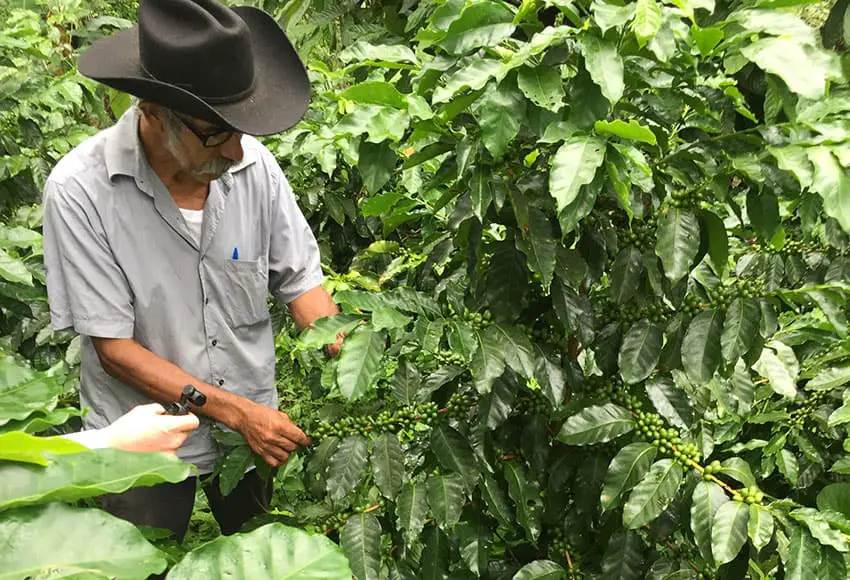
As the coronavirus pandemic has shut down both the tourism and restaurant sectors in Mexico and abroad, coffee producers in Oaxaca’s Sierra Sur region are worried about the future of an industry they say has been forgotten by the federal government.
“All of this affects the commodity chain,” said Rosario Esteban Figueroa, a coffee grower and cafe owner from the region’s premier coffee-growing community, Pluma Hidalgo.
“As producers and small business owners we create jobs, generate economy, promote our community as a tourist destination [and] bring the earnings of this dispersed local economy into the community,” she said.
But those revenues are currently under threat. The lack of coffee shops brewing up lattes, espressos and cappuccinos nearly the world over has affected sales drastically.
“There are small producers here in Pluma who haven’t sold a kilo of coffee in over three months,” said Damián Ramírez, whose family runs a small plantation just outside of town.
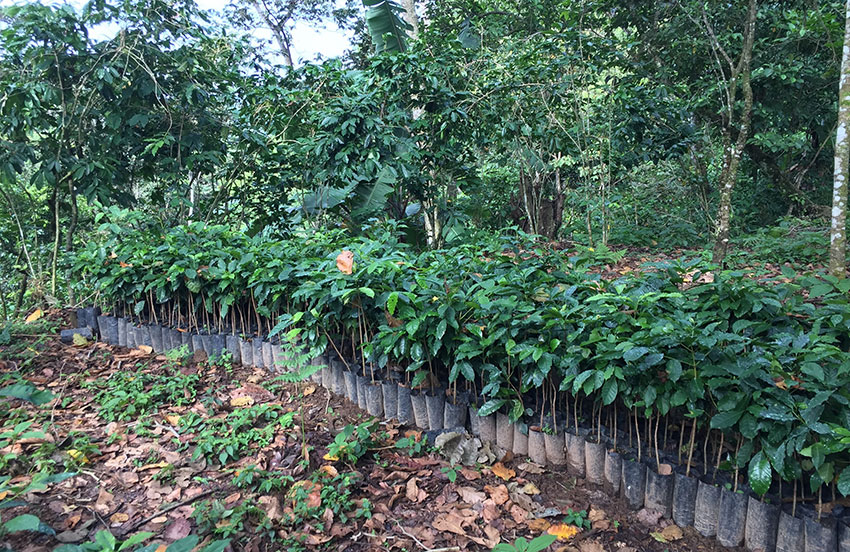
He and other growers have had to lay off workers and reduce production during the quarantine period.
“We small producers are suffering,” he said.

And data from the U.S. Department of Agriculture (USDA) back up that claim. Its annual report on the Mexican coffee industry, published on Tuesday, states that “Covid-19 effects are expected to stunt consumption growth, as restaurants and cafes around the country are closed, stymying government and specialty producer efforts to increase consumption of high-value Mexican coffee.”
But the wholesale market isn’t the only part of this local economy affected by the pandemic. Tourism is also an important source of income for many communities in the Sierra Sur, including Pluma Hidalgo.
Long known as the place that supplies coffee shops in Oaxaca City with its characteristically acidic beans perfect for strong, dark roasts, the town has worked hard to promote tourism to its misty peaks in recent years. And more and more tourists had been making the pilgrimage to sample the black gold of Pluma at its source before the pandemic erupted.
Esteban owns cafes in both her native Pluma Hidalgo and nearby San José del Pacífico, normally popular year-round with tourists seeking mystical experiences via the magic mushrooms that grow there.
These days that usually consistent flow of visitors isn’t even a trickle. She closed the cafe in San José and has seen some pretty lonely days in her flagship store back home.
“There is no tourist presence in the area, which depends greatly on tourism,” she said.
Ramírez, who runs a cafe right next to Esteban’s in Pluma Hidalgo’s main square, agreed with her that the lack of tourists has gravely affected the incomes of small coffee producers in the region.
What they and other growers say they need is government support, but that’s something that has been in short supply since before the economy was shut down.
Growers in Pluma Hidalgo receive an annual stipend of 5,000 pesos (US $220) from the federal government as part of President López Obrador’s social welfare-heavy 2020 budget. Both told Mexico News Daily that it is nowhere near enough.
And the USDA report backs up that claim, noting that “a lack of impactful government investment in the sector is a severe impediment to consistent growth in the years to come.”
As the 2020 flowering season begins amid a glut of uncertainty, Esteban, Ramírez and other small producers from the Sierra Sur hope the federal government won’t leave them high and dry.
“We’re hoping the government will support the [coffee] sector, … because it’s going to be a very, very slow reactivation of our economy,” Esteban said.
Mexico News Daily