An increasing number of Mexicans feel safe in their day-to-day lives, according to the latest data published by the National Institute of Statistics and Geography (INEGI).
The quarterly National Survey of Urban Public Safety polls people’s perception of public safety in their home city, based on, among other factors, their feelings of insecurity and expectations about crime trends, government performance, and their trust in the public administration.
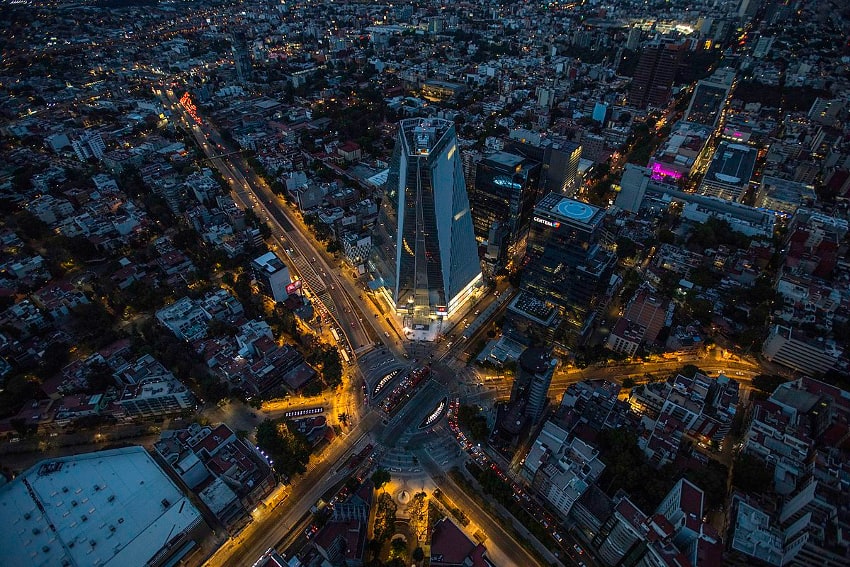
The survey focused on urban environments and polled residents of 75 cities across the country.
Results found that as of March, 62.1% of the adult population in Mexico felt unsafe in their local area.
That figure is almost 2.5 points lower than that registered in October 2022, when the survey found that citizens’ perception of insecurity where they live had reached its lowest level in a decade (64.4%).
Even amidst a rising number of homicides in the country — almost 31,000 in 2022 — the public sense of safety has continued to improve.
The perception of insecurity is higher for women, with 68.1% of adult females in Mexico feeling unsafe in their home cities compared to 54.8% of men.

The cities in which people felt most unsafe were Fresnillo (96%) and Zacatecas city, both in Zacatecas state (94.3%), Naucalpan de Juárez, a México state city on the edge of the capital (88%), Ciudad Obregón, Sonora, (86.4%), Uruapan, Michoacán, (86.2%) and Colima city, Colima (85.7%).
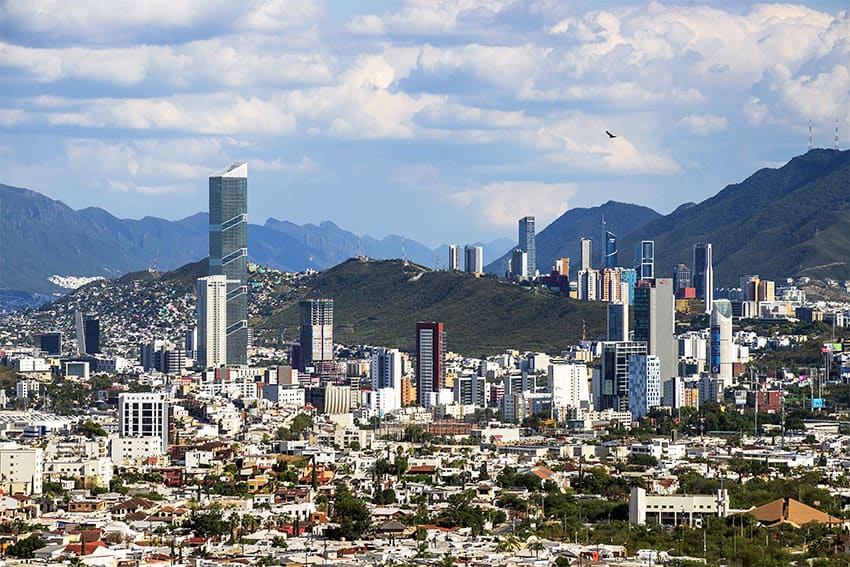
In contrast, the city where people felt least unsafe (18.3%) was San Pedro Garza García, part of the municipality of Monterrey, Nuevo León, which topped the last survey. The borough of Benito Juárez in Mexico City came second (19.4%), with Piedras Negras, Coahuila, (19.9%), Los Cabos, Baja California Sur (22.7%), Saltillo, Coahuila (23.9%) and Tampico, Tamaulipas rounding out the list (24.1%).
While not as consistently, perceptions of how insecurity affects the tourism industry have also improved over the last decade.
According to data from a survey conducted by Anáhuac University in Mexico City, from 2010 to 2022, the industry’s perception of the impact of insecurity on their business improved markedly.
In 2010, between 50% and 70% of those surveyed felt insecurity “greatly affected” the industry, versus just 24% in the last four-month period of 2022. The majority of remaining respondents still concluded that insecurity does affect the industry, but marginally.
During the Easter holidays, the federal government deployed more than 8,000 members of the National Guard to Mexico’s most popular tourist destinations to reinforce security.
Mexico News Daily