Mexico is experiencing historically low levels of rainfall this year, according to the National Water Commission (Conagua).
From Jan. 1 to June 11, the country recorded 20.1% less rainfall than in the same period of 2022, decreasing the level of water stored in the country’s system of reservoirs.

In its weekly report on the state of the country’s large reservoirs, the Conagua said that the accumulated rainfall in the first half of the year was equivalent to 115.8 millimeters (mm). The average rainfall recorded in the same period between 1991 and 2020 was 144.9 mm, signaling a deficit of 29.1 mm.
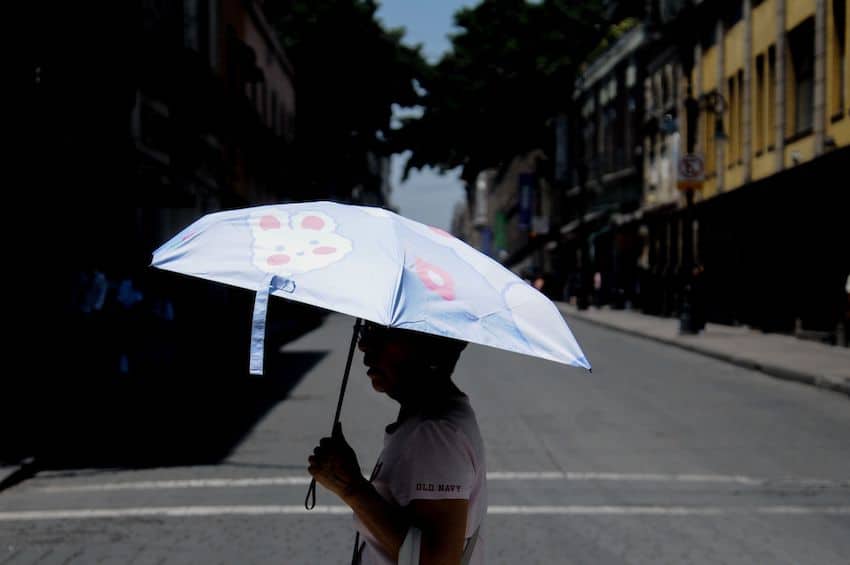
Because of the blistering heat wave sweeping over many parts of the country and drought in some regions, Mexico’s major reservoirs reported a drop of 2.5% in water storage levels between June 5 and 11.
Of these 210 reservoirs, only three reported full storage capacity; the majority reported water storage levels below 50%.
Mexico has suffered droughts that have caused diminishing water reserves since 2017. This has had particular impacts on large urban areas such as Monterrey, which made headlines last year when the city reduced running water supply for residents to only six hours per day.

The storage reservoirs of the Cutzamala System (El Bosque, Valle de Bravo and Villa Victoria), which supplies Mexico City, fell to 48.5% of capacity in March, the lowest levels ever recorded. On June 13, the Conagua reported this level to have dropped down to 34.9%.

President López Obrador’s government has announced investment of over 93 billion pesos on 15 priority water projects nationwide, including dams and aqueducts.
The Conagua, along with other agencies, has warned that the El Niño weather pattern, caused by warm water temperatures in the Pacific Ocean, could bring high temperatures and prolonged droughts in Mexico, as well as strong hurricanes in the Atlantic.
As the month of July approaches and the heat is expected to decrease, more rainfall is anticipated across the country.
With reports from El Economista