As Mexico City’s worsening water crisis and continued drought across the country garner escalating national — and international — attention, some are also raising the alarm about the quality of the nation’s groundwater.
Sixty percent of Mexico City’s water comes from an over-exploited aquifer and about 28% is derived from the aging Cutzamala water system. Experts say the capital’s aquifer could be depleted in 40 years, if certain actions are not taken by authorities within the next 15.
The National Water Commission (Conagua) has dug increasingly deep wells (over 600 meters deep) in efforts to meet demand, according to a report by Infobae news outlet, but this can lead to a contaminated water supply.
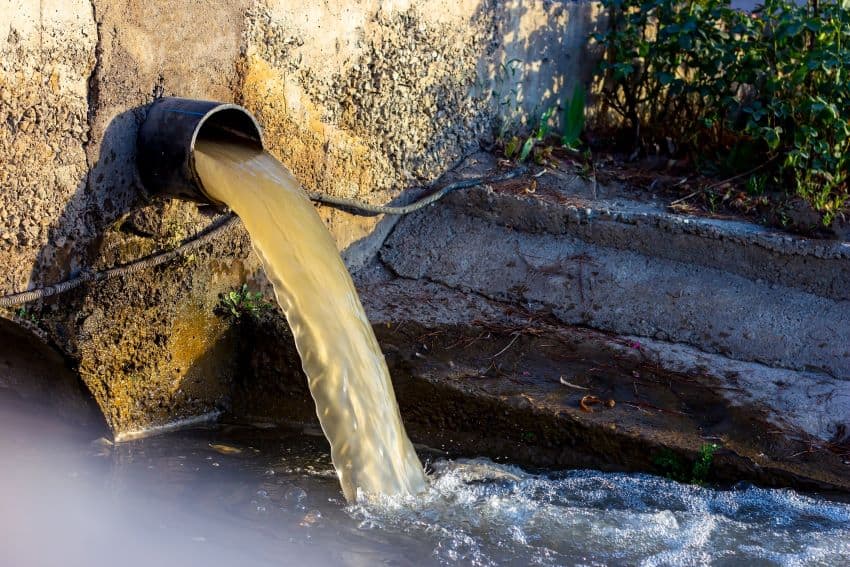
Conagua has implemented a well and groundwater analysis program to determine the quality of water using a color-coding system. Its most recent study from 2022 found that only 42.5% of groundwater nationwide could be categorized as “green” (fit for human consumption), whereas 39% was categorized as “red.” The latter category means excess fluoride, coliform bacteria, nitrates or heavy metals were detected in the water.
Meanwhile, Conagua is working with the Mexico City and México state governments to increase the flow of water from the Cutzamala system.
This system, built between the late 1970s and early 1990s, is an inter-basin water transfer project that requires coordination among federal, state and municipal authorities. However, there is no autonomous agency authorized to make decisions for the entire Valley of México. Instead, Conagua, the Mexico City Water System (Sacmex) and the Mexico State Water Ministry each have their own policies and priorities, creating major gaps in management.
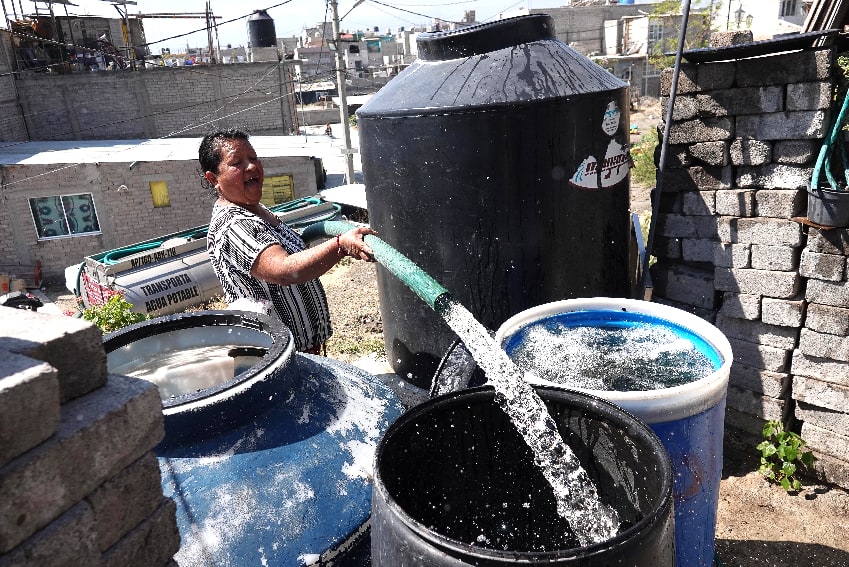
Last week, 20 researchers from the National Autonomous University of Mexico (UNAM) also presented a proposal to address the valley’s water crisis. Their water security plan includes intensive water capture, increased use of treated residual waters in agriculture and artificially recharging the aquifer by injecting surface water directly into the ground.

The UNAM study also found that in the Valley of México, only 75% of irrigated lands utilize treated water and less than 12% of that water is reused. If more agricultural lands used residual waters, potable water would be freed up for consumers.
The UNAM plan requires an investment of 97 billion pesos (approximately US $5.8 billion), part of which would be used for much-needed maintenance on the aging Cutzamala system, originally designed to provide service for 20 years. Additional spending is required for maintenance on water pipes as a stunning 40% of water is estimated to be lost to leaks.
The urgency of Mexico City’s water crisis has led to media reports of an imminent “Day Zero” — cited as June 26, 2024 — when the Cutzamala system might not have enough water to supply the city.