The headline inflation rate in Mexico was higher than expected in the first half of April, rising to an annual rate of 4.63% from 4.42% in March, official data showed.
However, the closely watched core rate, which strips out volatile food and energy prices, continued its downward trend, falling to 4.39% from 4.55% in March. The core rate of inflation has declined for 14 consecutive months and is now at its lowest level since May 2021.
As reported by the national statistics agency INEGI on Wednesday morning, the annual headline inflation rate in the first half of the month was 0.16 percentage points above the consensus forecast of analysts polled by Citibanamex. The 4.63% reading is the highest since January when the headline inflation rate rose for a third consecutive month to reach 4.88%.
Inflation increased 0.09% in the first 15 days of April compared to the second half of March. Analysts had predicted that the rate would decline 0.06%.
The higher-than-expected headline inflation reading increases the probability that the Bank of Mexico board will vote to maintain the bank’s benchmark interest rate at 11% at its next monetary policy meeting on May 9. Last month, the board voted to cut the key interest rate by 25 basis points, making the first reduction to borrowing costs in over three years.
Bank of Mexico Deputy Governor Jonathan Health told Reuters last week that the benchmark rate would likely remain unchanged at 11% for longer than expected by markets.
The central bank targets an annual headline inflation rate of 3% with tolerance for one percentage point in either direction.

What categories have the highest rates of inflation in Mexico?
INEGI data showed that services were 5.21% more expensive in the first half of April as compared to a year earlier. Within that category, housing costs rose 3.73% annually, tuition jumped 6.36% and “other services,” including restaurants, doctors’ fees and mobile phone costs, were 6.18% more expensive.
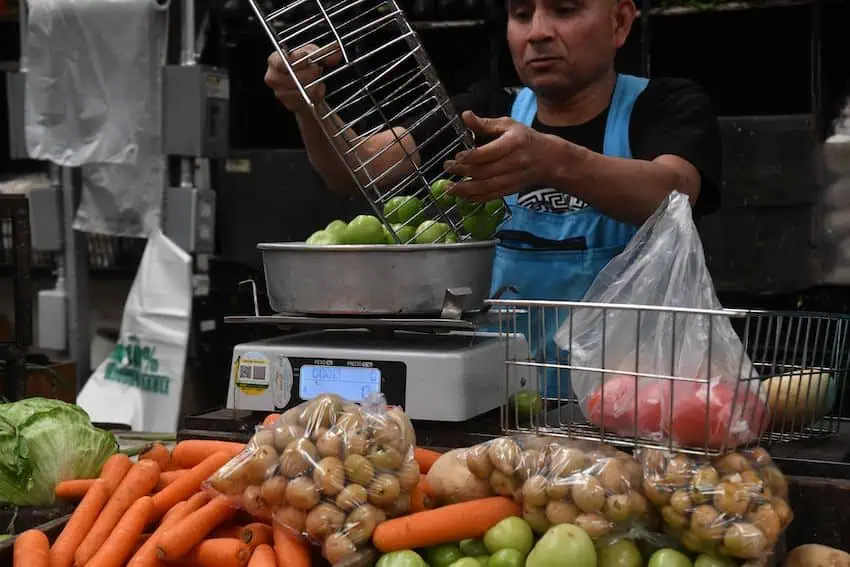
Meanwhile, prices for agricultural products rose 6.98% compared to the first half of April 2023. Higher prices for fruits and vegetables were responsible for the increase. They cost 18.22% more than a year earlier and almost 3.4% more than in the second half of March.
An annual 1.5% decline in meat prices kept inflation in the agricultural products category below 7%.
INEGI also reported that goods in general were 3.72% more expensive in the first half of the month compared to 12 months ago. Prices for processed food, beverages and tobacco rose 4.85% while the cost of non-food goods increased 2.38%.
Energy prices, including those for gasoline and electricity, increased 4.01% annually.
With reports from El Economista and El Financiero