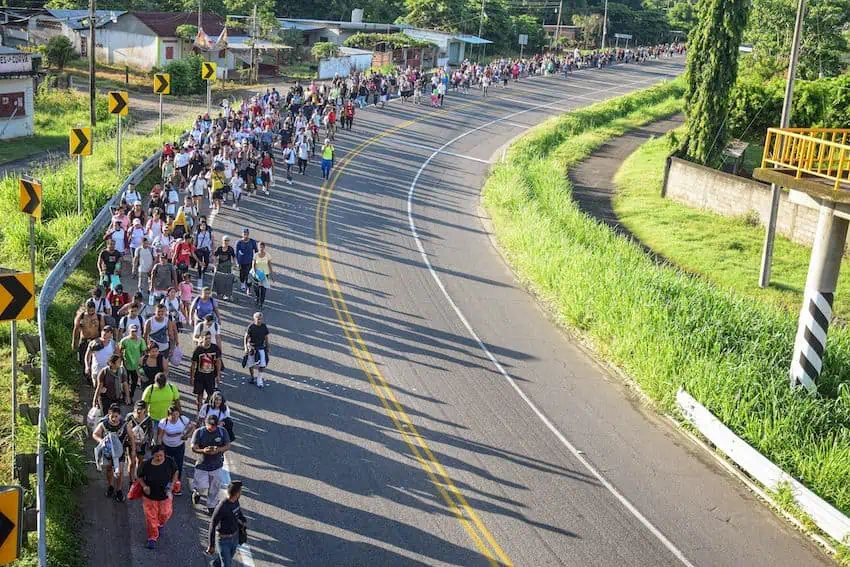
Two days after three migrants were killed while walking along a Oaxaca highway, the Mexican government announced a plan to provide escorted bus rides to the United States border for migrants who have been granted an asylum appointment by U.S. authorities.
Mexico’s National Immigration Institute (INM) will provide bus service from the southern cities of Villahermosa (Tabasco) and Tapachula (Chiapas) to non-Mexican migrants who have successfully secured an asylum consultation with U.S. authorities.
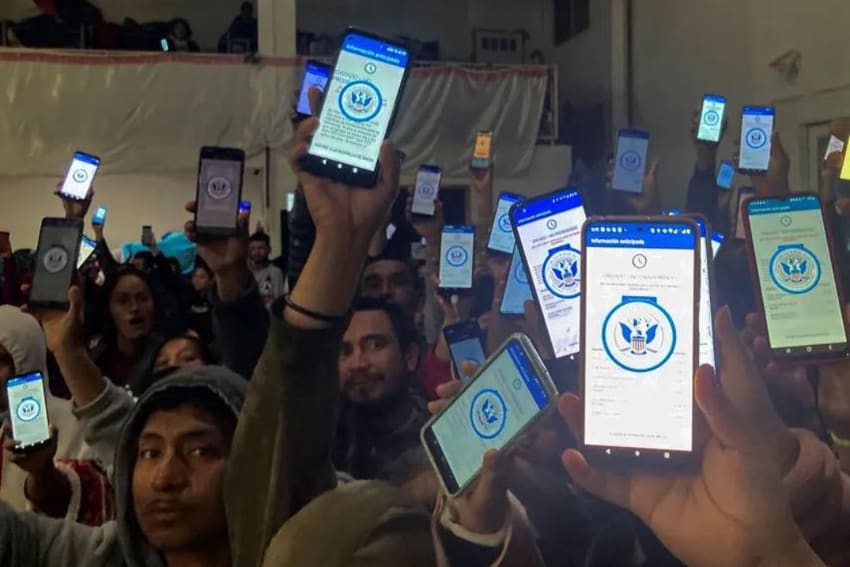
The new service came about after the U.S. government expanded access to its CBP One app, making it available in southern Mexico on Aug. 23.
Now, migrants eager to make it to the United States can use the app to apply for appointments with the U.S. Customs and Border Protection asylum service as soon as they cross into Mexico from Guatemala.
The Mexican government hopes that the bus rides help discourage some migrants from making the arduous journey north on foot. After last week’s incident in which the three migrants were killed, activists had urged Mexico to do more to protect migrant caravans.
Access to the essential app had previously been restricted to central and northern Mexico, prompting migrants seeking asylum to travel as far north as Mexico City before trying to make appointments.
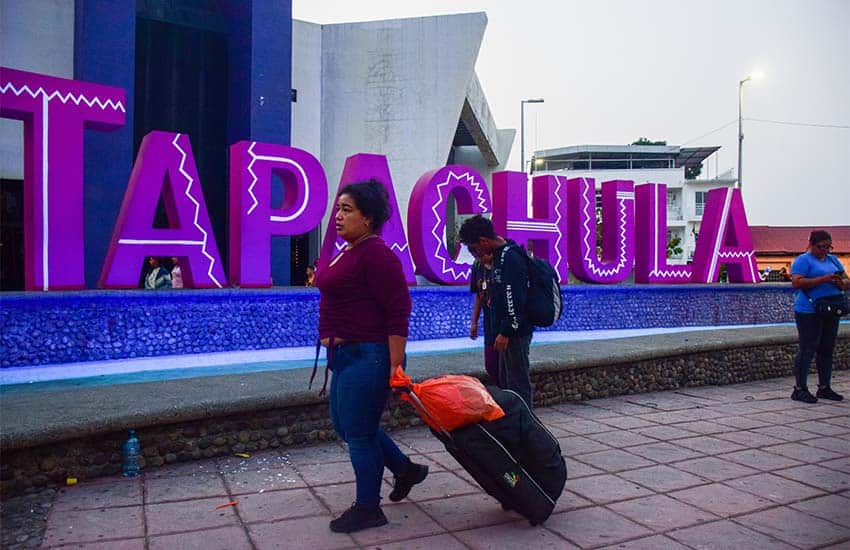
According to The Associated Press, Mexico had long been asking the U.S. to expand the app’s access to the south in an attempt to relieve the pressure migrants feel to trek hundreds of miles north to the capital. It is 1,158 kilometers (719 miles) from the border city of Tapachula to Mexico City.

The Mexican government hopes that expanded access to the CBP One app will encourage migrants to wait in southern Mexico instead of seeking shelter in Mexico City, where migrants have set up tent cities in plazas near bus terminals in the capital.
However, migrants — many of whom carry debts for their trip — have complained that there are few jobs available in southern Mexico for a wait that can last months, the AP reported. The lack of work opportunities and inadequate housing in southern cities have pushed migrants north.
Waiting in Mexico City is also safer than waiting at the U.S. border where cartels have been known to abduct and ransom migrants. In addition, some undocumented migrants — even those with appointments — told the AP stories about others being apprehended by Mexican authorities at the U.S. border and being shipped south, missing their appointments.
In addition to the bus service, local, state and federal law enforcement will provide security, and meals will be provided during transit. The government will also provide each migrant with a 20-day transit permit affording them legal status while in Mexico.
These recent events come just as the state of Oaxaca announced it was considering banning migrants after some towns along the preferred route north reported robberies that were attributed to the migrants.
With reports from El Universal, Milenio and The Associated Press