In Oaxaca, they’re obtaining livestock feed from organic waste.
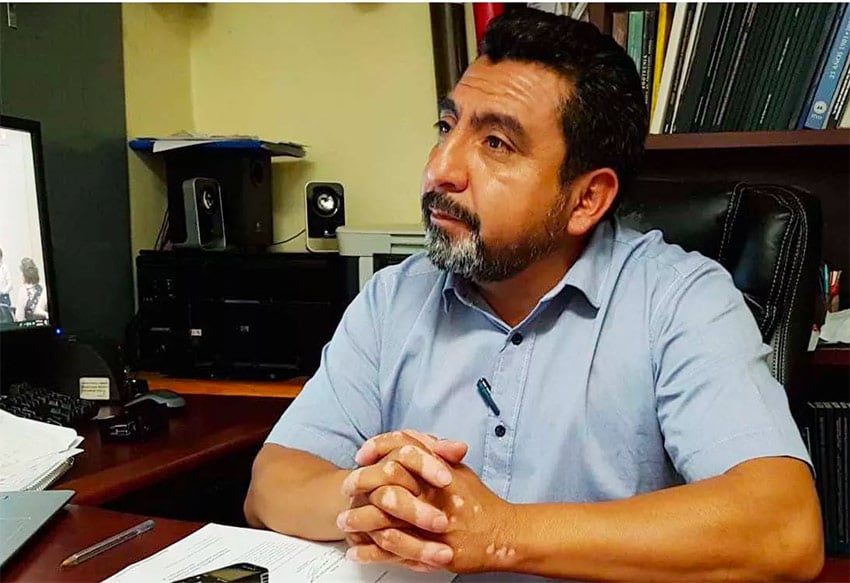
The project that converts fruit waste into feed is the result of three years of research and development led by Jorge Hernández Bautista at the Benito Juárez Autonomous University of Oaxaca (UABJO).
Hernández’s raw material are the peelings and other fruit waste discarded by juguerías, or juice stands, located in the wholesale Central de Abastos market in Oaxaca city.
Every morning he visits three of the establishments to gather the fresh waste before it starts fermenting. Back in his lab, he dries it and gives it a protein treatment.
Hernández can obtain 300 grams of feed for sheep out of every kilogram of organic waste. So far, he has taken 15 tonnes of what would otherwise become smelly garbage and obtained a nourishing source of food for animals instead.
“Everybody wins with this process: juguería owners save what they spend to get the garbage truck to collect their waste, others can even start dehydrating it themselves and selling the waste at up to two pesos per kilogram,” said the researcher.
There’s also the benefit of keeping this waste from ending up in open-air landfills, where it becomes yet another source of pollution.

Hernández’s sheep feed is also advantageous for livestock breeders: regular feed costs five pesos per kilo, but his product is 50 centavos cheaper.
Along with being more affordable and nourishing, it can also produce a carcinogenic-free meat, he claimed.
Hernández explained that the high antioxidant content of jugería waste can counter the high levels of free radicals found in meat.
His project was presented last month at a meeting of the Latin American Association of Animal Production (ALPA) in Ecuador, where it obtained international recognition.
Source: Milenio (sp)