Chihuahua police have rescued 21 men who were being held in caves and forced to work on marijuana and poppy fields in the western part of the state.
They were found Thursday in the municipality of Ocampo.
The men said they were forced to work long hours on two different farms starting at 6:00am and ending after sunset. They were fed with flour and water in the morning and beans at night, and received no pay.
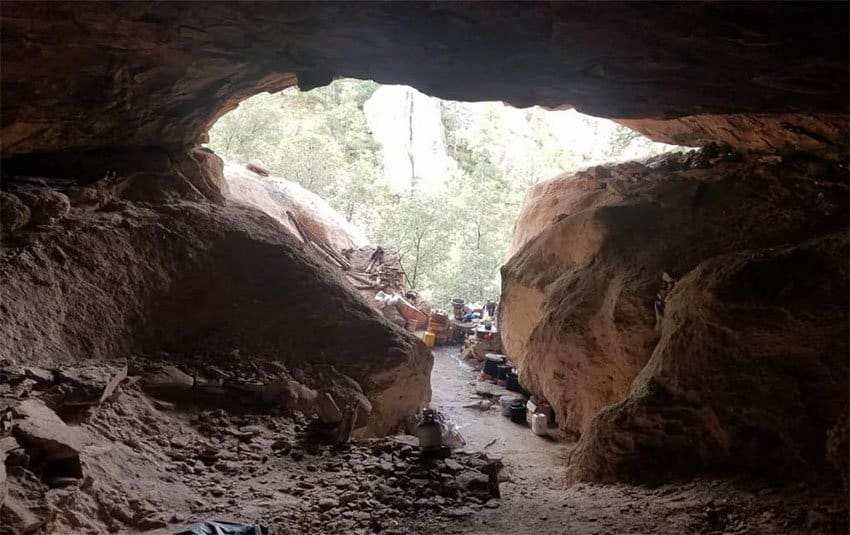
At night, they slept in caves by a cliff in a remote area of the Sierra Tarahumara and were guarded by armed men who beat them and threatened to kill them if they tried to escape.
Several of the men are indigenous, and 17 are from the state of Chihuahua. Four had been reported missing after they had been contacted in the cities of Chihuahua and Cuauhtémoc with promises of employment putting up fences and doing other agricultural work for 350 pesos (US $18) a day.
The other four men are from Guanajuato, Oaxaca, Coahuila and Zacatecas. Some of them said they had been forced to work for as long as two years.
The investigation that led to the men’s rescue began over a year ago following reports of their disappearances by family members, and by anonymous reports that a crime gang was forcing people to work in the Sierra Tarahumara.

More than 50 state police took part in the rescue operation, which started on Tuesday and ended Thursday night. Officers drove for eight hours on highways and dirt roads and made the final leg of the journey on foot to reach the remote Yoquivo region where the men were being held.
The officers were not able to locate any of the men’s captors but they did seize a 2005 Chevrolet Silverado pickup truck which had been used to transport supplies, and a Kenwood radio.
Source: El Financiero (sp), La Jornada (sp)