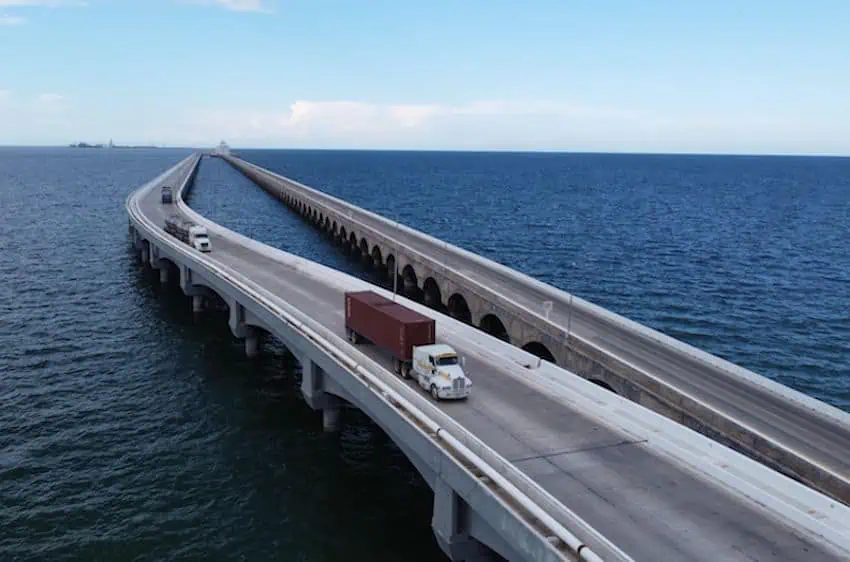
Thanks to nearshoring, Mexican states that did not figure prominently in the automotive industry are now finding success in the auto parts sector, with the state of Yucatán a prime example.
The National Autoparts Industry Association (INA) this week revealed a new top ten in the sector. Although states near the northern border, the industrial center and the Bajío region still predominate, Yucatán saw auto parts production spike by nearly 118%.
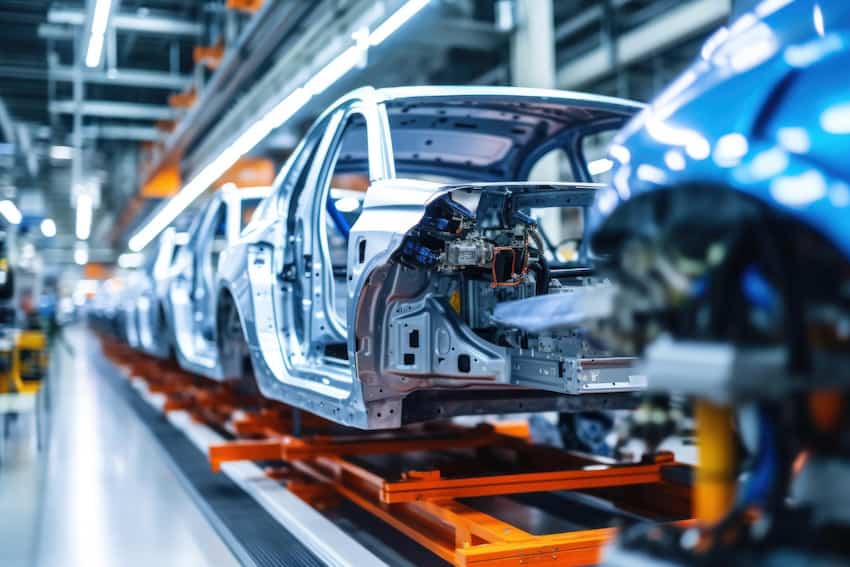
Citing INA data, Forbes México reported that the Gulf state saw auto parts production soar to US $23 million in January of this year, up from $11 million in January 2023, making Yucatán the state with the greatest growth in auto parts production in the country.
Zacatecas was second with a 31.5% increase, which rose from US $88 million to $115 million, followed by Durango, up 18.8%, and San Luis Potosí, up 18.3%.
INA Director Armando Cortés Galicia told the newspaper Forbes México that dynamic growth in Mexico’s auto parts sector was consolidating nicely as the new year began. Cortés attributed the production growth in new regions to an increase in companies relocating to the country.
“One important thing about the relocation of chains of production, about nearshoring, is that there are opportunities for every state to get involved,” he said. “Obviously, initial growth is seen in the traditional states where manufacturing operations already exist, but eventually, all these elements start producing greater benefits in other regions.”
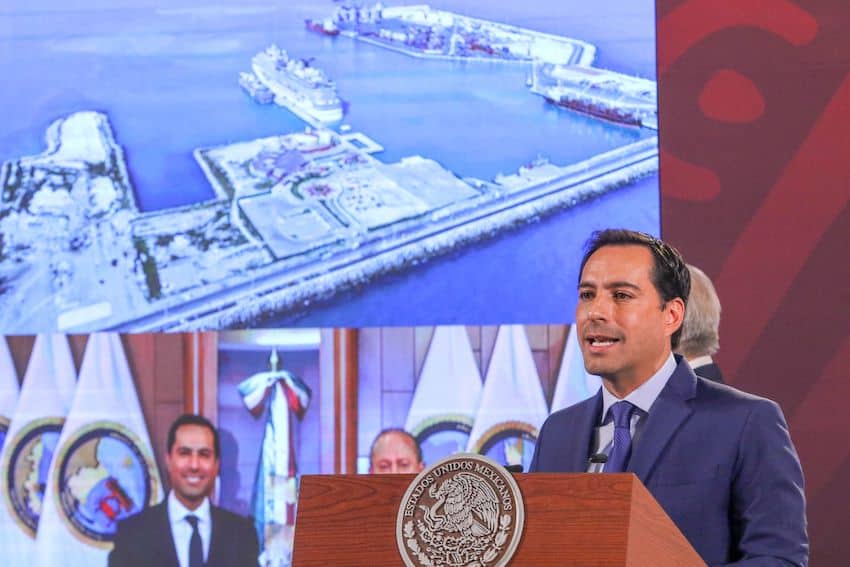
Yucatán has become a pioneer in attracting new investment stimulated by nearshoring, the magazine Líder Empresarial reported.

At the International Nearshoring Conference held in mid-March in Aguascalientes, Governor Mauricio Vila Dosal claimed that Yucatán’s investment in critical infrastructure — more power stations, new natural gas lines, improvements to the port of Progreso and connections to the Maya Train — have helped the southeastern state climb to the third-place spot among states receiving new nearshoring investments in Mexico.
Vila Dosal also spoke of his government’s efforts to promote local talent as well as public-private sector initiatives.
Across Mexico, total auto parts production in January exceeded US $10 billion, the highest total since 2018.
At the same time, auto parts exports to the United States rose in the January-February period, exceeding $13.5 billion, an increase of more than 40% since before the COVID-19 pandemic. The newspaper El Economista attributed the improvement to the ratification of the United States-Mexico-Canada Agreement (USMCA), which went into effect on July 1, 2020.
Overall, Mexican-produced auto parts now dominate the U.S. market. El Economista reported that auto parts from Mexico comprise 42.5% of all auto parts imports — significantly more than second-place Canada, which supplies 10.5% of imports.
With reports from Forbes México, El Economista and Líder Empresarial