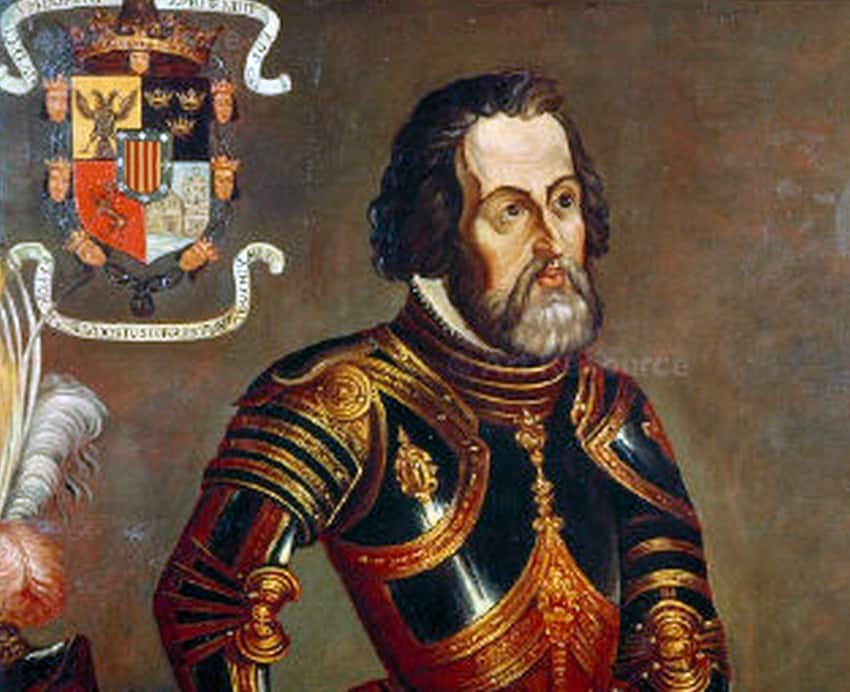
Special agents from the art crime team at the Boston Federal Bureau of Investigation (FBI) have recovered a 495 year-old manuscript signed by Spanish conquistador Hernán Cortés, which is believed to be one of several documents that were stolen from Mexico’s national archives some time prior to 1993.
The manuscript is a payment order signed by Cortés on April 27, 1527, authorizing the purchase of rose sugar for 12 gold pesos.
According to the Department of Justice, an individual submitted the historic manuscript to be auctioned online with a Massachusetts auction house.
Mexican authorities alerted US officials that the document was stolen and the item was pulled from auction.
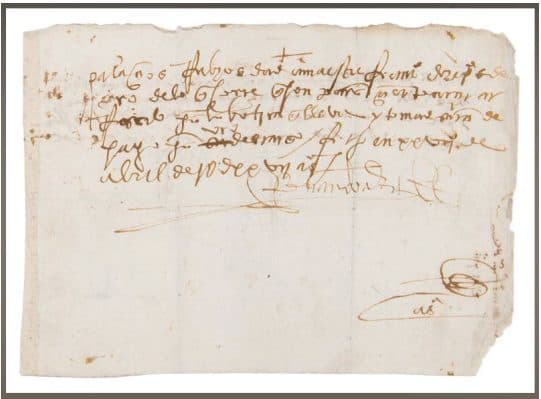
“As a result of exceptional work by the Asset Recovery Unit in our office and our law enforcement partners, this historic artifact has been recovered,” said United States Attorney Rachael S. Rollins.
The document was recovered on Tuesday and that same day, Rollins filed a forfeiture action whose goal is to return the document to Mexico, its “rightful owner”.
With reports from Aristegui Noticias and Boston25News