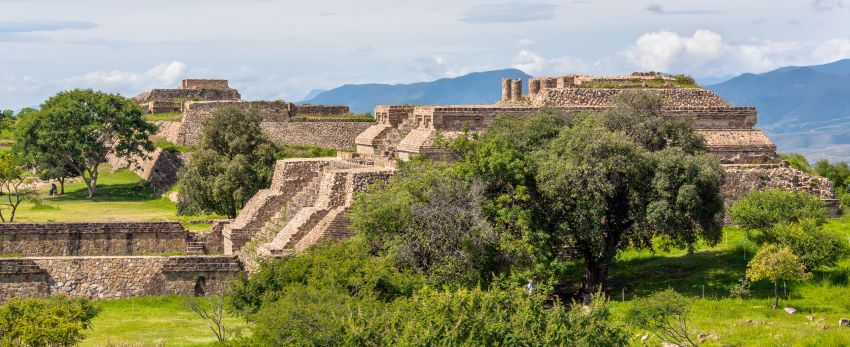
A conflict between artisans and workers at the archaeological site of Monte Albán, Oaxaca has led local authorities to temporarily close the site to visitors.
The measure came after one of three groups of merchants who sell their crafts in Monte Albán occupied several of the site’s spaces on Sept. 30 demanding an increase in the number of their vendors, the National Institute of Anthropology and History (INAH) reported.
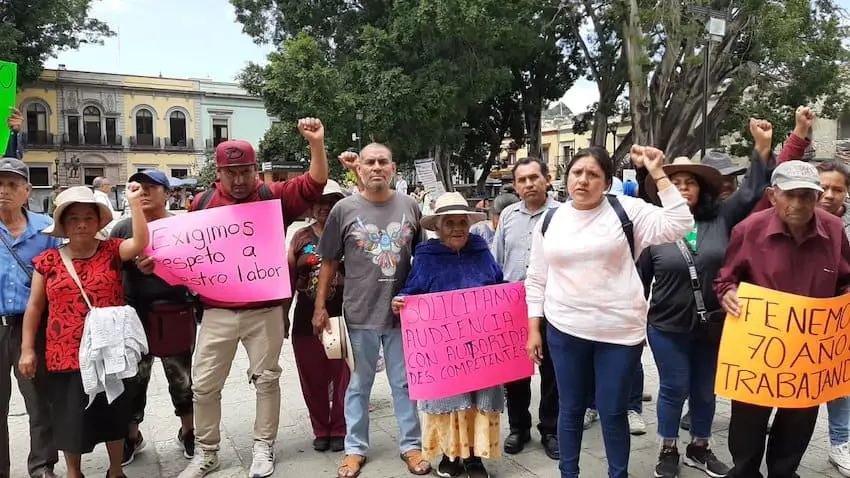
“On Saturday [Sept. 29] the artisans settled on the site without following the rules,” head of the legal area of Monte Albán told El Imparcial, a local newspaper in Oaxaca. “We are protecting this site due to violations of internal rules.”
Members of the group — a cooperative called the Danny Di Paa Union of Producers and Artisans — told Canal 13 Oaxaca that they have already held the spots they demand for 60 years through verbal agreements with INAH authorities. They say their spots have been taken for lack of written permits and that they wish to obtain proper authorization for the work they have done for decades.
In its statement, INAH said that the Deputy Director of Monte Albán David Andrade Olvera met with the artisans to explain that the site doesn’t have the conditions to include more vendors. The site has remained closed since Oct. 1 by order of Oaxaca’s INAH and the site’s officials.
According to El Imparcial, Monte Albán workers led by the site’s head of security Raúl Zárate blocked the entrance to artisans and visitors on the morning of Oct. 1, holding signs that demanded dialogue between artisans and authorities.
“We demand the regularization of informal commerce, dialogue, no vending in corridors and parking lots,” one worker’s sign read.

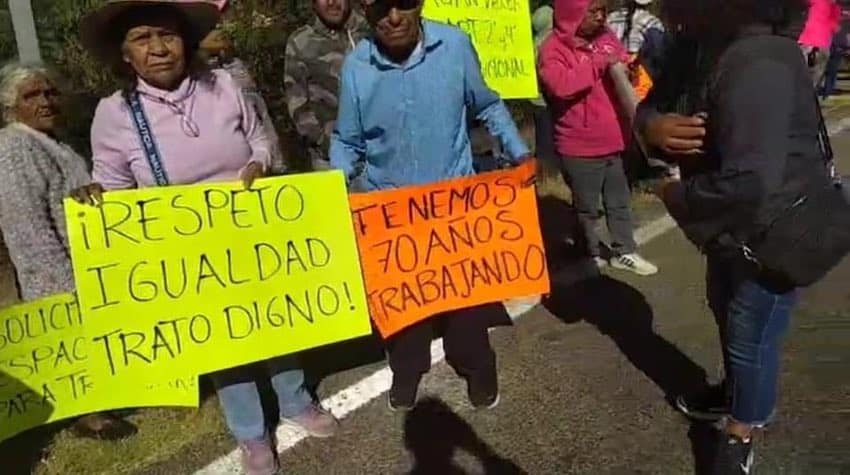
Meanwhile, Danny Di Paa artisans at the foot of the road demanded respectful and decent treatment.
“We are demanding a solution to our demands,” spokesperson Araceli Amaya told El Imparcial. “We could not continue with the dialogue because they [Monte Albán’s authorities] are offering us to return to the same spaces. We are being exploited,” she said.
Amaya explained that they are obliged by the site’s authorities to sweep the site’s floors every day and do chores that are supposed to be voluntary.
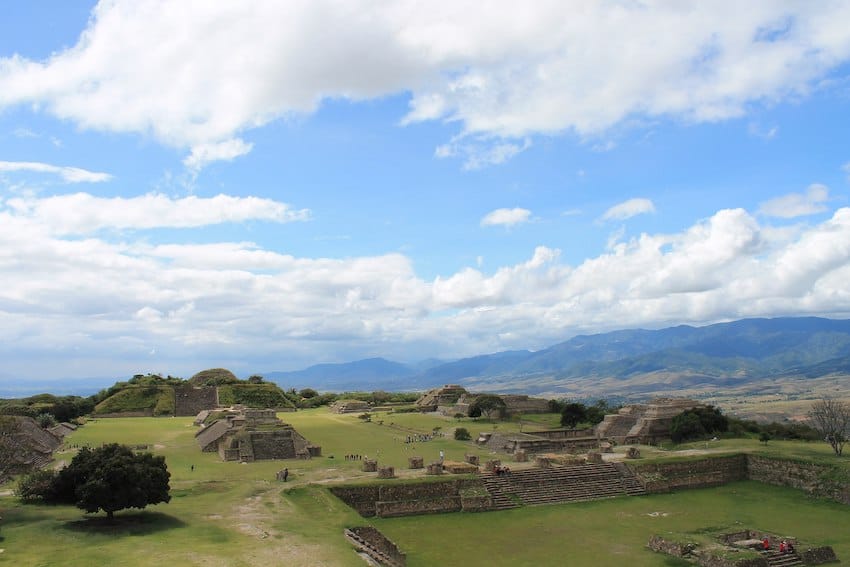
INAH said that it has the full support of two other groups of merchants and some independent artisans who also work on the site. “All of them understand that it is not feasible to increase Monte Albán’s load in terms of sales spaces,” the INAH said.
For their part, members of Danny Di Paa accused INAH of trying to set their fellow artisans’ organizations against them and blame the Monte Albán shutdown on the group.
With reports from El Imparcial