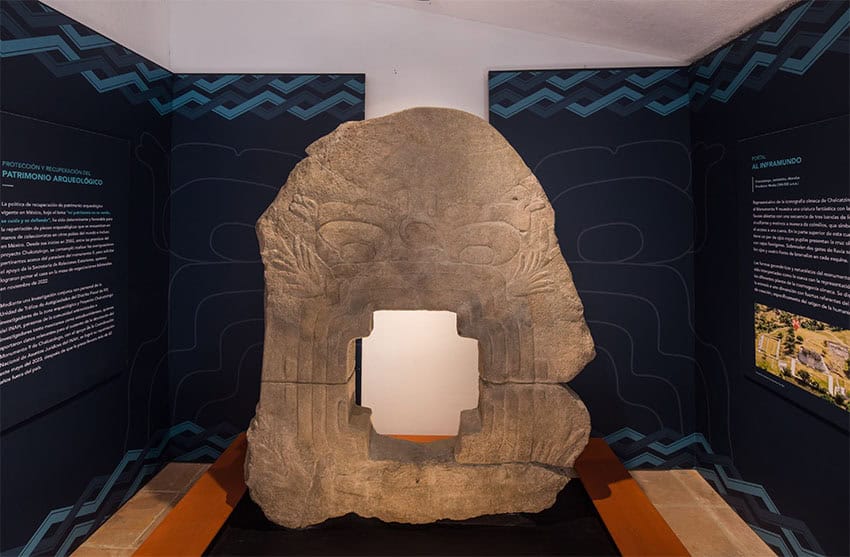
The monumental Olmec sculpture known as the Portal to the Underworld has returned home to the state of Morelos after it was illegally taken out of the country over 60 years ago.
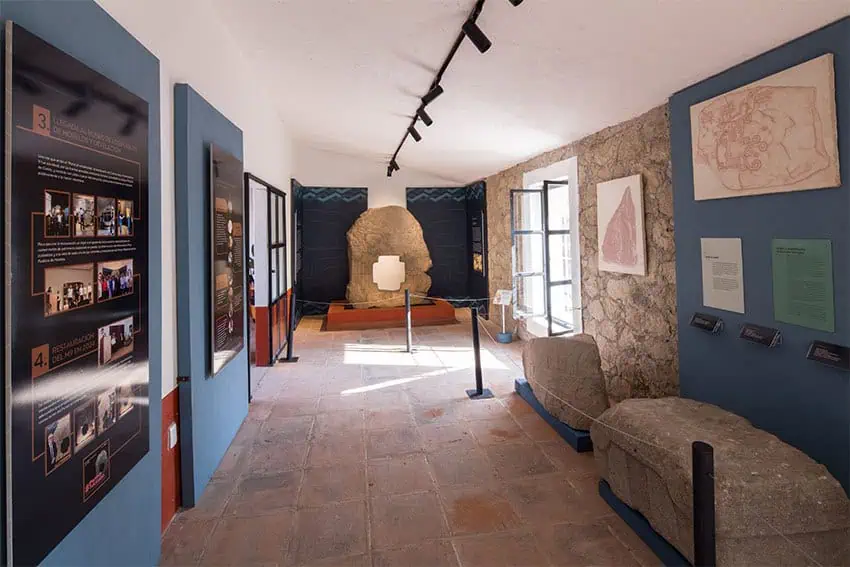
In a ceremony with close to 400 attendees, the National Institute of Anthropology and History (INAH) officially returned Monument 9, also known as thePortal to the Underworld, to the community of Chalcatzingo. The 2-meter-tall stone carving is now exhibited at the town’s newly-reopened Chalcatzingo Museum.
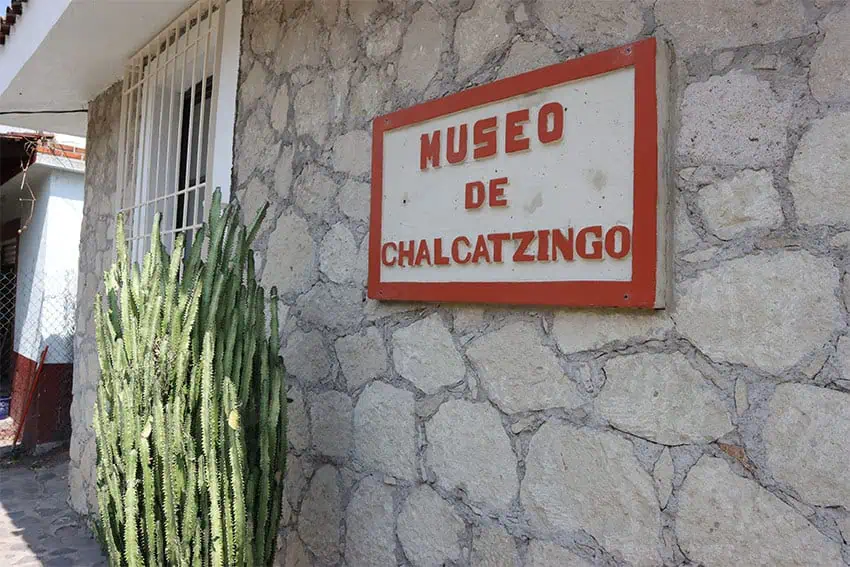
“This is a historic day for Morelos’s territories, which have witnessed the development of various Mesoamerican settlements,” Morelos Governor Margarita González Saravia said during the opening ceremony of the Chalcatzingo Museum. “Examples of culture, such as Monument 9, allow us to enhance the identity of the region’s residents, rich in archaeological remains.”
The Olmecs were the first major civilization of Mexico. They lived in present-day states of Veracruz and Tabasco from 2500 B.C. to A.D. 200.
The 2,500-year-old sculpture was restored in collaboration with the Swiss Federal Office of Culture. Ana Bertha Miramontes Mercado, head of INAH’s National Coordination for the Conservation of Cultural Heritage (CNCPC) said that Portal to the Underworld is a unique piece because it is not common for sculptures of its type to have perforations.
According to Olmec cosmogony, these types of cavities symbolize the entrance to the underworld.
A successful repatriation from the United States
The gigantic piece arrived at Chalcatzingo Museum on Feb. 12, from the Regional Museum of the People of Morelos (Murepumo) in Cuernavaca. It was repatriated to Mexico on May 19, 2023, from the United States, as part of the #MiPatrominioNoSeVende campaign (#MyHeritageIsNotForSale).

The massive sculpture was Mexico’s most sought-after archeological piece due to its significant historical value. After its return to Mexico, head of INAH Diego Prieto Hernández said that the Olmec monolith “is patrimony of universal culture and, at the same time, represents a celebration of friendship between two peoples.” He also praised the invaluable help provided by the U.S. authorities for its return after it was stolen in the 1960s.
The former consul general of Mexico in New York, Jorge Islas López, spearheaded the legal process for the repatriation of the monolith. During his speech at the opening ceremony of the Chalcatzingo Museum, he said his priority was to defend the heritage and cultural sovereignty of Mexico.
“We showed the world that Mexico defends what is its own and that the cultural assets belong to the Indigenous peoples,” he stressed. “Now, it will be the Chalcas [residents of Chalcatzingo] who will take care of this piece with responsibility and pride, so that future generations value the origin, the roots and the background of who we are and where we come from.”
Mexico News Daily