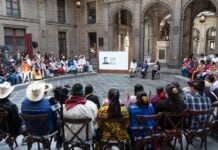
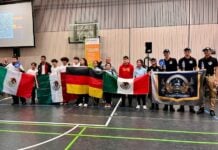
UNESCO has named Querétaro one of 10 global “Lifelong Learning Cities,” recognizing the central Mexican city for its exemplary support of learning initiatives that cater to all ages.
The prize-winning cities were selected by the UNESCO Institute for Lifelong Learning (UIL), based on recommendations from an independent jury of international experts.
🔴BREAKING
10 cities have been awarded the @UNESCO Learning City Award 2024 for excellence in lifelong learning:
Benguerir🇲🇦, Bouaké🇨🇮, Cork🇮🇪, Cuenca🇪🇨, Doha🇶🇦, Eunpyeong-gu🇰🇷, Glasgow🇬🇧, Querétaro🇲🇽, Wuhan🇨🇳 & Yanbu Industrial City🇸🇦. Congratulations!https://t.co/pj2dkzv5M7 pic.twitter.com/SdtFEs2ReS
— UNESCO 🏛️ #Education #Sciences #Culture 🇺🇳 (@UNESCO) December 4, 2024

“Thank you, UNESCO, for the award and for recognizing the municipality as a city of governance, good practices … where [there are] programs that promote inclusion, and work is done to improve the quality of life of families,” Querétaro’s Municipal President Felipe Fernando Macías wrote on the social media site X.
The UNESCO Learning City Award was established in 2015 to further promote lifelong learning for all and showcase good practices in building learning cities.
“Cities are home to more than half of the world’s population and must be at the forefront of societal change,” said the Director of the UIL Isabell Kempf. “The 2024 UNESCO Learning City Awardees demonstrate the power of lifelong learning to enable citizens to adapt, innovate and collaborate on solutions to our planet’s most pressing challenges. Their commitment to inclusivity and to sustainable development offers a path to a more just and prosperous future for all.”
Querétaro, located around two hours northwest of Mexico City, has transformed into a dynamic hub of lifelong learning since becoming a UNESCO learning city in 2019.
¡Querétaro, Ciudad del Aprendizaje 2024!🎉
Gracias @UNESCO por el galardón y reconocer al municipio como una ciudad de gobernanza, buenas prácticas, donde se fomenta la convivencia armónica, programas que impulsan la inlcuisión y se trabaja para mejorar la calidad de vida de las… pic.twitter.com/Gjz4Pzm6lM
— Felipe Fernando Macías (@FeliFerMacias) December 9, 2024
According to UNESCO, the city has implemented 40 projects, including 28 public programs adapted to lifelong learning principles, reaching over 1.7 million participants by 2023.
Notable achievements include the creation of five community gardens maintained by over 300 residents, the establishment of cultural spaces like La Vía Centre for Artistic Training and Hercules Cultural Space and the implementation of technology training at the BLOQUE centre1.
Querétaro has also demonstrated a strong commitment to workforce development, particularly in response to the growing opportunities presented by nearshoring.
In October, Japanese machine tool giant Makino broke ground on a new technology innovation center in Querétaro, citing the city’s infrastructure, education and highly qualified workforce as critical factors in its decision to invest in the region.
Mexico News Daily