




The goal of our “From the archive” series is to revisit popular stories that capture the unique history and culture of life in Mexico. This Sarah DeVries article — originally published in December 2024 — explores what to do when your pet gets lost.
“But isn’t she chipped?” my friends and family back home asked when I told them about my lost dog.
No, she wasn’t chipped. And while I can’t speak for all places in Mexico, I can for my own city. Microchips in pets are not a “thing” here. Even if I’d had my dog microchipped somewhere else, no one where I live would even have a scanner to read it.
So how did she get lost in the first place?
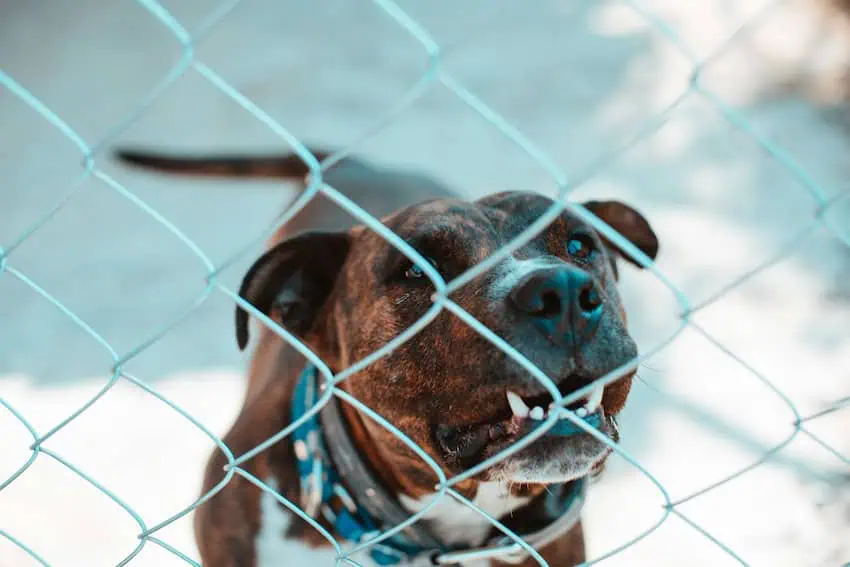
Finding a dog sitter
Now that my partner has started working in a nearby city, I travel quite a bit to see him. Unfortunately, dogs aren’t allowed where he’s renting, nor is the place suitable for a pet. Until we can find something better, I’ve simply got to find someone else to care for her when I’m away.
One option is a pensión, a doggie care facility where she can stay. These can come in all shapes and sizes, and aren’t all that expensive by U.S. standards. Sadly, I’m acclimated to Mexican prices, and 250 pesos a night adds up quickly when it’s frequent! It will do in a pinch, but like many hopelessly soft gringas, I’d much rather she stay with someone she knows and trusts.
How Mexico City’s pet boom is creating new income opportunities

So when a friend who works from home offered to keep her, I breathed a sigh of relief and packed her little doggy bag.
Their time together was nice. Each day, I got cute photos and videos of Lola, lounging comfortably in her home-away-from-home. On the morning I was set to pick her up, though, my friend called me, shaken.
There had been fireworks early that morning. Because as we all know, saints love morning fireworks, and this was not going to be the year we disappointed Saint Jude!

Fear and fireworks
Here’s what happened: My friend briefly left Lola on her enclosed front patio while she took her daughter to catch the bus. When she got back, Lola was gone, having slipped through the wider bars that had seemed much too high for her to reach.
But a panicked dog can jump to great heights. Oh no.
Still, we tried. Had someone picked her up? Doubtful, as she’s quite skittish around strangers. Was she hiding in someone’s yard, or a park or one of the other million possible places she could fit? Perhaps.
Was she using her magical doggy nose to slowly but surely make her way back home, many kilometers away? This I felt sure of, but it was impossible to know what route she’d have taken, and the streets she would have had to cross were formidable.
What to do if your dog gets lost in Mexico
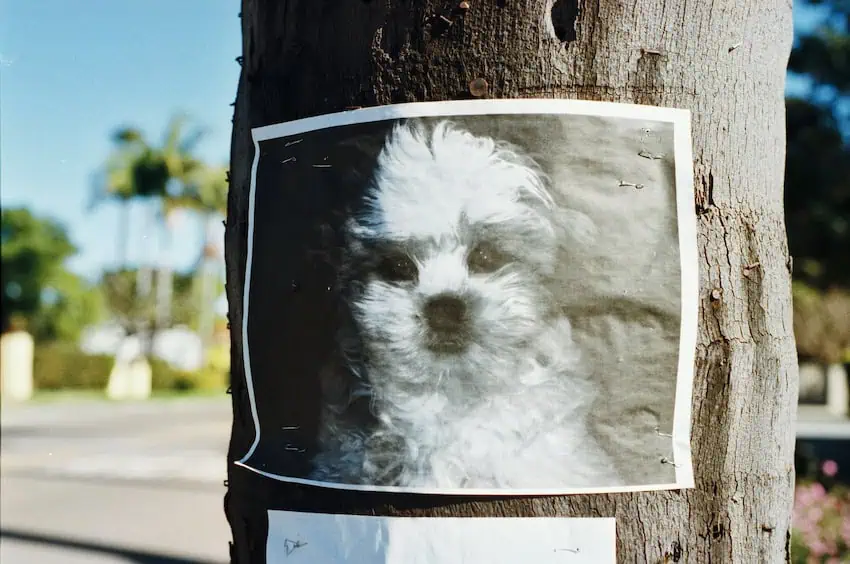
My friend and I got to work. We wandered the surrounding area for hours over three different mornings; we printed lost dog signs and put them up; we knocked on doors and talked to the people who notice things that go on in neighborhoods — the merchants, the trash collectors, the older people who sit on their porches all day. Yes, we also posted on Facebook’s many local lost pet groups, over and over again. My friend paid for a lost dog service that promised to use geography-specific targeted ads to get the word out in the areas she was likely to be. I cried in despair and worry more than once.
On the third day driving back home, what my religious friends call a miracle and my atheist friends call a wonderful coincidence occurred: I spotted Lola on the street.
Miraculously — I’m going with miracle — as I was driving back home in tears, I looked to my right. There was my little dog, crossing the street perpendicular to the one I was on. I quickly pulled into an X24’s tiny parking lot and rolled down the window to call to her. She looked around, confused, and finally spotted me when I opened the car door. She hopped in, and we had a happy, tearful reunion in front of a very confused X24 employee.
Now that all this has happened, I’m prepared: Lola has a new collar that never comes off, and an AirTag on her collar, as well. For good measure, she has her regular metal tag with my phone number on it, too.
There might not be any microchips, but this dog is not getting lost again. Although I do still need to figure out what to do with her when I have to leave town.
Sarah DeVries is a writer and translator based in Xalapa, Veracruz. She can be reached through her website, sarahedevries.substack.com.