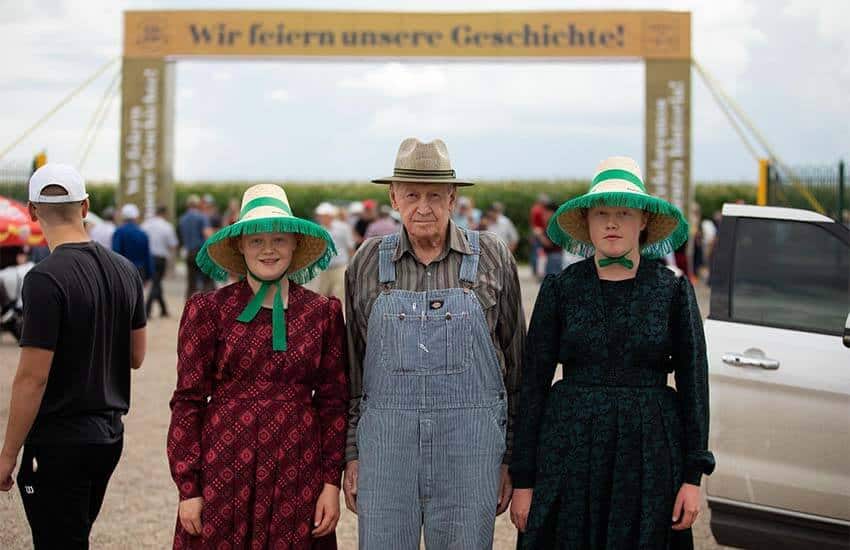
One of Mexico’s oft-forgotten groups, the Mennonites, closed celebrations for the 100th anniversary of their settling in Mexico on Sunday.
Thousands attended the festivities, which began last Wednesday outside Cuauhtémoc, Chihuahua. The state is home to some 90% of the Mennonite community in Mexico. There are also smaller groups in Durango, Campeche, Tamaulipas, Zacatecas, San Luis Potosí and Quintana Roo.
Events at the celebration included history lectures, a parade, theater, music, a rodeo and business expos.
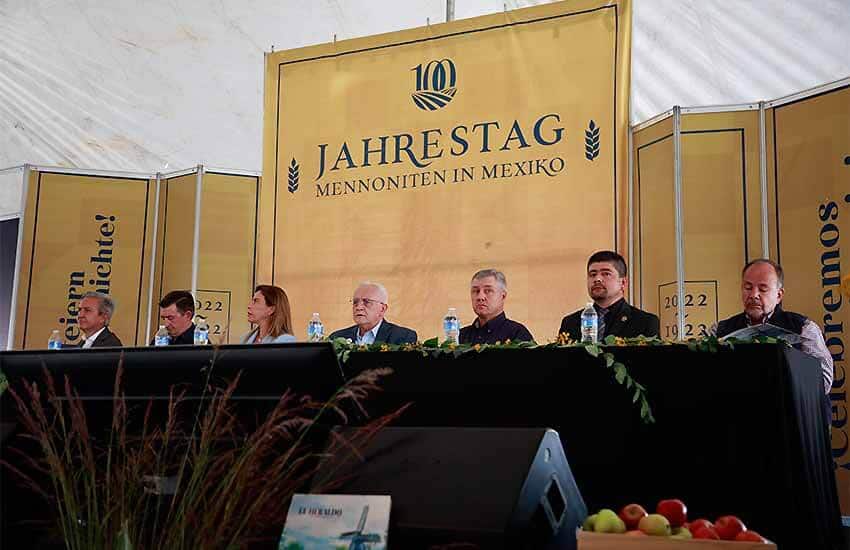
Mennonites from other Mexican states and from Paraguay, Bolivia and Canada attended, as did representatives from the consulates of Canada, the U.S. and Germany. “Today more than ever we are proud to be Mennonites and proud to be Mexicans,” the master of ceremonies said.
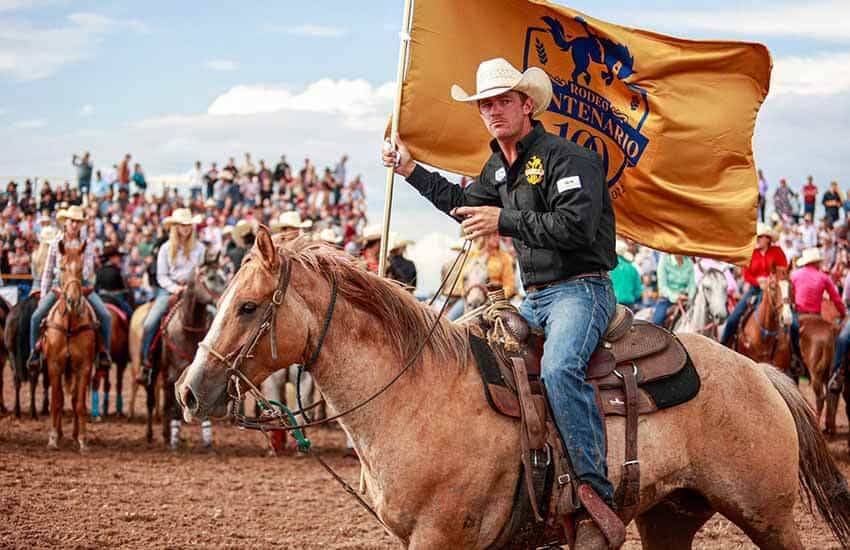
Cuauhtémoc Mayor Elías Humberto Pérez Mendoza told attendees that, over a century, the city had successfully combined three cultures: Mennonite, mestiza (mixed European and indigenous ancestry) and indigenous Rarámuri.
The Anabaptist Christian group originally from Europe was previously based in Canada before a nationalistic climate in their adopted home pushed them to leave the country and settle in Mexico at the beginning of the 2oth century.
The religious sect acquired a 100,000-hectare land grant in Chihuahua from the government of Álvaro Obregón, and in 1922, Mennonite families first arrived by train in their thousands.

Historian Peter Rempel said the Mennonites’ departure from Canada was spurred by anti-German sentiment at the time, which led to discrimination against the ethnically Germanic group. Military conscription in Canada for the First World War also conflicted with their philosophy of pacifism.
Life today in Mexico’s Mennonite communities remains largely conservative, but the use of automobiles has become the norm and Spanish and English are spoken alongside Plautdietsch, an old Germanic language.
Mexicans outside of Chihuahua will also be able to honor the Mennonites’ anniversary: the Bank of México has created a commemorative 20-peso coin bearing the image of a Mennonite family in traditional dress.
With reports from Diario