When the water is turned off for 3.8 million people in 13 boroughs of Mexico City at the end of the month, 530 tanker trunks will be called on to keep people supplied.
Maintenance work on the Cutzamala aqueduct will start on October 31 and take four days, but the National Water Commission (Conagua) has warned that an additional four days will be needed for the network to stabilize, meaning that water service won’t be back to normal until after November 8.
Sacmex, the Mexico City water department, has arranged for tanker trucks to distribute water.
Although water will be available free, priority will be given to schools, hospitals, penitentiaries and nursing homes.
Sacmex will add 50 new locations to the 28 it already has where water trucks can fill up. All will be kept under guard by city police.
The city’s boroughs themselves will prepare water delivery schedules and routes for Sacmex to follow.
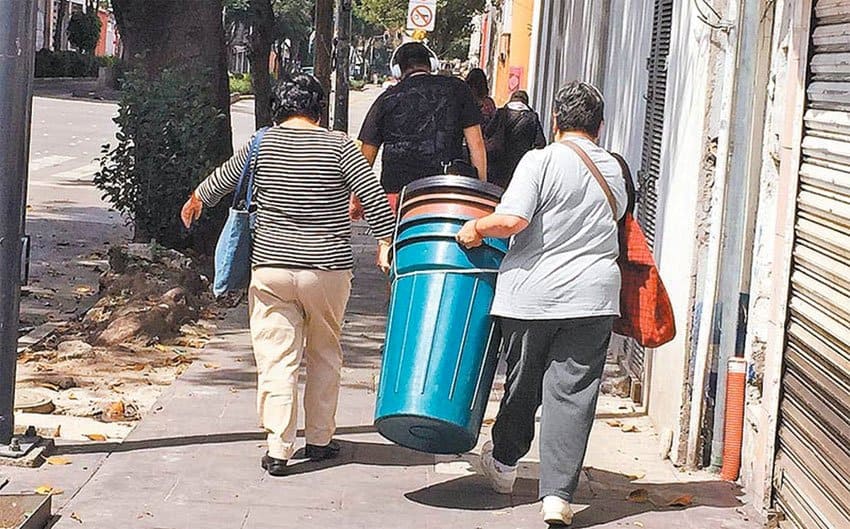
Meanwhile, there has been a rush on buckets and other containers in which to store water. The newspaper Milenio reported that hundreds of residents were buying containers of up to 120 liters water container in preparation for the waterless week ahead.

Source: Milenio (sp)