After nearly 38,000 doses of cancer medication were stolen from the company Novag Infancia in Mexico City on October 4, one-fifth of the pilfered medications were recovered on a street in the borough of Azcapotzalco Friday morning.
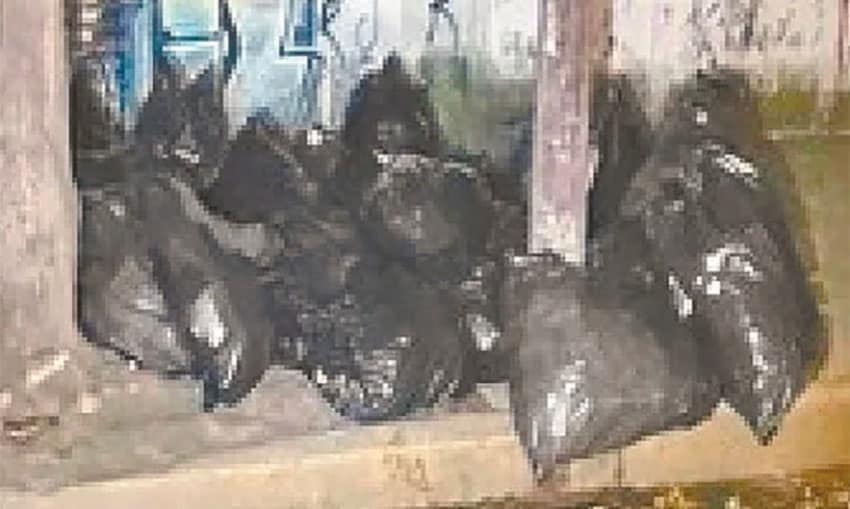
Twenty-seven bags were discovered after residents saw men in a truck dumping them on the sidewalk and alerted authorities to their find.
Inside the black garbage sacks were 8,144 boxes of the chemotherapy drugs raunorubicin, fluorouracil and cyclophosphamide made by Argentine pharmaceutical company Laboratorio Kemex. The packages were marked with the legend “Property of the Health Sector. Sale is prohibited.”
Authorities say they have identified at least three suspects.
Parents of children with cancer, who have long fought with the government for access to the life-saving drugs, did not believe the robbery actually occurred after hearing repeated excuses about why the medications were in short supply.
“First [the government] said that the shortage of medications was caused by a monopoly, then because … [of] corruption, then because there was an international shortage and now they come out with … [the story] that the medications were stolen. Would you journalists believe this tale?” said Israel Rivas, spokesman for a national group of parents of child cancer patients at a press conference after the theft was announced.
The spokesman, whose daughter has cancer, said that almost 1,700 children have died due to cancer medication shortages.

Upon learning that a portion of the stolen medication had been found, Ivonne Venegas, whose daughter suffers from high-risk acute lymphoblastic leukemia, called the recovery of the drugs a “mockery.”
“I left my job, I left everything because my daughter was ill, just so the government could make fun of us like this, it is not worth it. We are not so ignorant that they can tell us one day the [medications] are lost, and the next day they have appeared.”
Source: El Universal (sp), La Silla Rota (sp)