The government has announced a new national project to encourage the cultivation and use of as many as 60 plants native to Mexico.
The native plants for food and agriculture program will aim to recover the value of native Mexican plant species that now form part of the foundation of diets all over the world, according to the Secretariat of Agriculture (Sader)
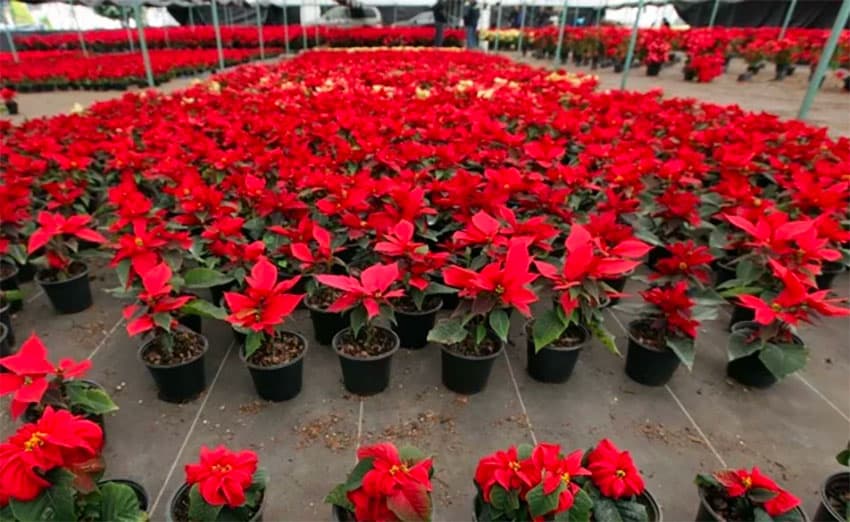
The project will begin with initiatives to make better use of the poinsettia plant so that people use it for more than just decoration, as it also has “properties for human consumption” and is a medicinal plant, said the department in a press release.
(Boiling up a bunch of leaves for dinner is not recommended. The plant is not toxic as was long thought, but it is not intended for human consumption, according to several sources on line).
Agriculture Secretary Víctor Villalobos Arámbula said the project will also encourage the cultivation and use of other plants such as chia, amaranth, cacao, chiles and vanilla.
“It is important to be aware of what our country contributes to the world because that makes us unique as a society. It make us experts of our resources and, above all, makes us feel proud to be the legitimate proprietors of this legacy,” he said.
Sader will coordinate with the National Forestry, Agriculture and Livestock Research Institute (INIFAP) and the National Seed Inspection and Certification Service (SNICS) to promote, recover and improve native species.

SNICS general director Leobigildo Córdova Téllez said Mexico is home to 10% of the world’s plant biodiversity with 2,500 species, many of which are used for food production and agriculture.
He added that Mexico has great potential for the production of ornamental plants such as bromeliads, cactuses, marigolds, dahlias, echeverias and poinsettias, among others.
Source: El Universal (sp)