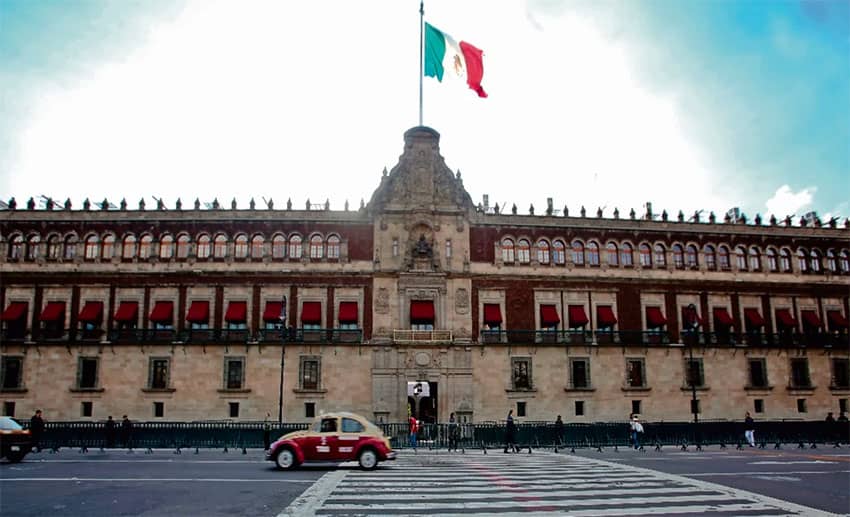
President López Obrador has ordered the revival of a largely ceremonial government position that hasn’t existed for over a hundred years, earning a warning that the plan hardly fits with his government’s austerity policies.
López Obrador last week instructed the Finance Ministry to create the position of governor of the National Palace, a role derived from a Spanish royal tradition that was established in writing in 1838 but not held by anyone until the 1860s when former president Benito Júarez was in office.
According to a document the president sent to the National Commission for Regulatory Improvement, the governor of the National Palace – the seat of executive power and López Obrador’s residence – will be responsible for overseeing the upkeep of the building, located in Mexico City’s historic center, and managing the activities held there.
The president will be responsible for appointing a person to the pompous sounding role.
Alfredo Ávila Rueda, a historian at the National Autonomous University, said the reestablishment of the role is in stark contrast with López Obrador’s so-called “republican austerity project.”
In an interview with the newspaper El Universal, the academic said that austerity and such an “honorific” and “regal” role are not compatible, asserting that they clash.
The national president of the Democratic Revolution Party, López Obrador’s erstwhile party, also said that naming a National Palace governor is not congruent with the government’s austerity drive.

The president is living in the past and wants to recreate historical figures from the authoritarian Mexico of old, Jesús Zambrano said.
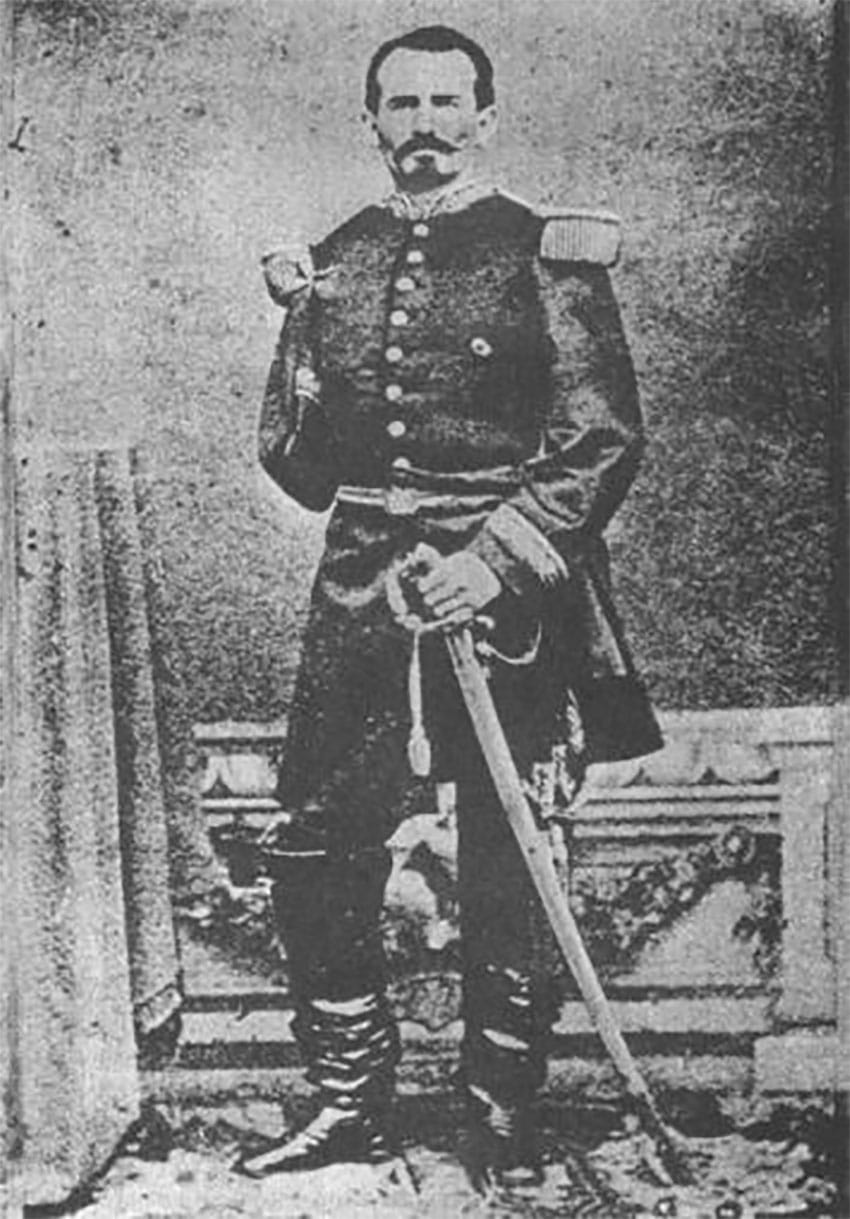
(Former president Porfirio Díaz, a dictator who held power for about three decades in the late 1800s and early 1900s, had National Palace governors and Emperor Maximilian had an Imperial Palace governor during the Second Mexican Empire in the 1860s. The first National Palace governor was Manuel González, a military general, close associate of Díaz and president of Mexico between 1880 and 1884).
“The position that [López Obrador] proposes reviving dates back to centuries past with authoritarian leaders. The question is who will he install as Palace governor? Who will be his new accomplice?” Zambrano said.
Bolfy Cottom, a researcher with the National Institute of Anthropology and History, said the revival of the position appears to be “within the framework of the law” but suggested that there were more pressing concerns.
“What can be questioned is that amid complete austerity, when resources for cultural institutions are being begged for, a new position is created. … Isn’t there no money? I think it’s immoral, there are no ethics.”
The Conservatorship of the National Palace, an administrative unit of the Finance Ministry, is currently responsible for the protection, conservation and restoration of the building and its contents.
But according to López Obrador, a National Palace governor, whose salary has not been announced, is needed to look after the imposing edifice in a “closer, more punctual and more efficient way.”
Source: El Universal (sp), El Financiero (sp), Milenio (sp)