Vendors of arts and crafts have reopened their market shops and stalls in Mexico City but business is slow as the coronavirus pandemic continues to put a damper on economic activity and the arrival of tourists on whom they heavily depend.
The Ciudadela crafts market in the capital’s downtown area reopened in July but only half of its approximately 350 shops are permitted to open on any given day, said Cuauhtémoc Ilhuicatzi, a vendor and member of an artisans’ association that manages the facility.
“We have to close completely on Sundays, the opening hours are reduced [10:00 a.m. to 5:00 p.m.] and only 50% of the shops … can open. In addition, we can only have a customer capacity of 40%,” he said.
Limiting customers to 40% of normal levels, however, is not currently a difficult task.
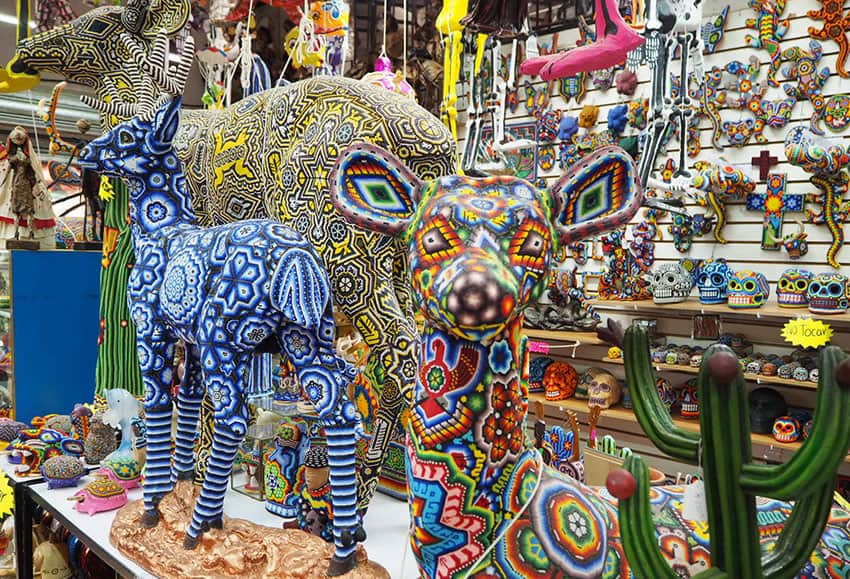
The Ciudadela market, where a wide range of products are on offer including textiles, ceramics, traditional Mexican toys, jewelry and gold and silverware, is completely dead, said the owner of a shop selling clay figurines.
The shopkeeper, identified only as Candelaria, told the newspaper El Universal that she is currently making only two or three sales a day whereas in pre-pandemic times she would make 15 to 20.
“The situation is very bad. We stopped working for five months and we were only able to reopen our shops a month ago. The problem is that there are no people but we’re here now waiting for tourists because we live off them,” she said.

“My whole life has been in the market and we’ve never experienced anything similar.”
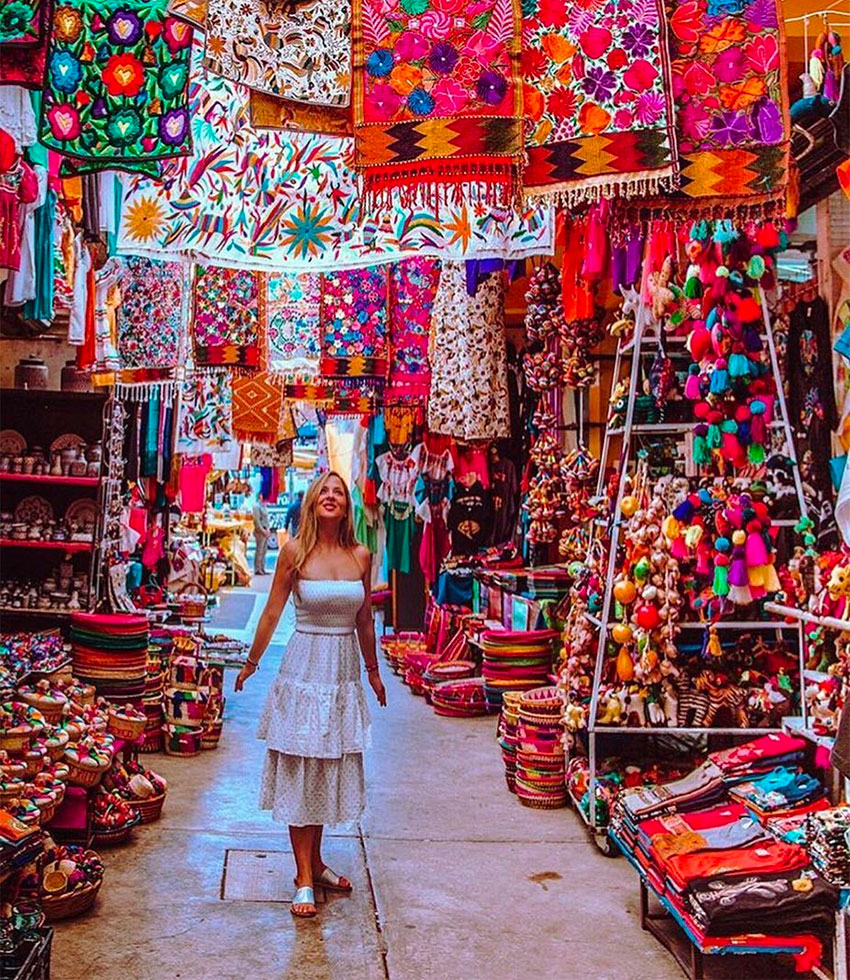
Silvia Barrientos, who works in Tejidos Típicos (Typical Fabrics), a family business founded by her father 45 years ago, recounted a similar story.
She said there are some days when she fails to make a single sale at her family’s shop, which sells a range of products including sarapes, rugs, tablecloths, sombreros and rebozos.
Barrientos added that the business has been unable to source new products from its suppliers in Tlaxcala because some textile factories were shut down after they failed to comply with health restrictions.
She also said that Tejidos Típicos has a lot of regular foreign customers who normally come to Mexico to pick up their orders. However, they haven’t made it here this year due to the pandemic.
“All my foreign customers canceled orders. They told me they didn’t know when they would travel to Mexico, although they did specify that they wouldn’t come this year,” Barrientos said.
Ilhuicatzi, the artisans’ association member, acknowledged that businesses in the market are struggling but added that “the important thing is that we’re now working.”
About one kilometer from the Ciudadela market is the historic center’s MULT market where indigenous Triqui people, originally from Oaxaca, sell their wares.
Emilia, who sells clothes she makes including traditional blouses and guayaberas – semi-formal shirts often worn at weddings – told El Universal that the market has been very quiet and that sales have been few and far between.
She also started making face masks which she sells for 50 pesos each but despite stocking one of the most in-demand fashion items she remains concerned about being able to pay the rent.
Vendors at both the Ciudadela and MULT markets complained that there has been no federal government support for the arts, crafts and traditional clothing sector even though it’s an important part of the economy.
Ilhuicatzi said that the Ciudadela market hasn’t received any support from local authorities either because it’s not considered a Mexico City public market.
“We have to survive with our own resources,” he said, adding that some market vendors have had to barter goods for groceries in order to feed their families.
More than 1 million people work in the arts and crafts sector in Mexico and the majority, including the artisans themselves, have seen their income slashed during the coronavirus pandemic.
Source: El Universal (sp)