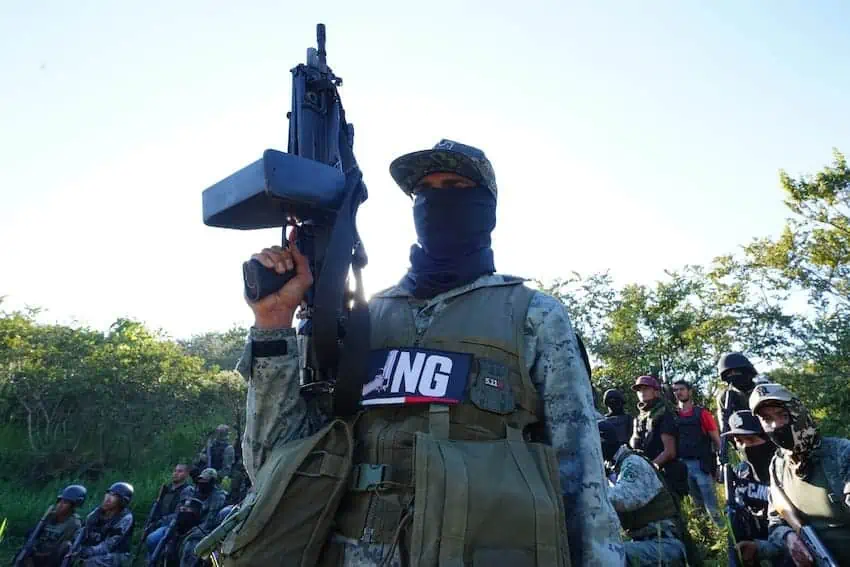
A clash last week between the Jalisco New Generation Cartel (CJNG) and the rival Sinaloa Cartel left at least 20 people dead in a municipality in the mountains of Chiapas, residents reported this week.
However, according to media reports, the number cannot be confirmed because neither the Army nor the National Guard have been able to enter the violence-torn area of Chicomuselo municipality.
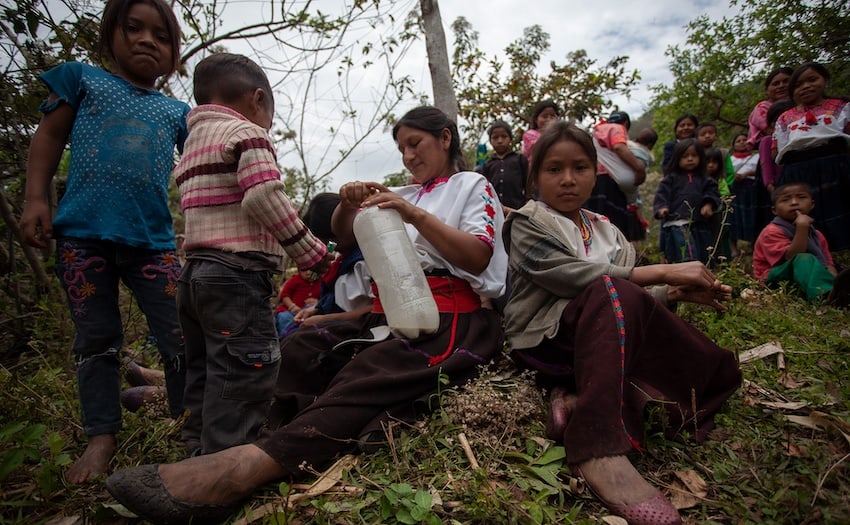
What is known is that many residents, especially in ejidos (communal properties) like Nueva Morelia and El Limonar, have fled the region over the past few months, due to increased clashes between the two criminal groups.
The conflict is occurring in the Sierra Madre de Chiapas mountains, near the Mexico-Guatemala border, where the groups are fighting for control of human smuggling and drug trafficking routes.
The disputes have led to a wave of forced displacements, disappearances and murders. Several communities have already been taken by one group or the other, with roadblocks and checkpoints set up to restrict people’s movement.
In a letter signed “Civil Society of the People of Chicomuselo,” residents denounced the violence and lack of response from state and security officials. Chicomuselo is a municipal seat that both groups are vying to control.

The letter said that around 11:30 a.m. on Jan. 4, members of the CJNG and the Sinaloa Cartel engaged in a confrontation that “lasted around seven hours, where the population remained in panic and anxiety, taking cover as best they could to protect their lives … Hundreds of families are frightened so much by the violence that they’ve been forced to leave.”

The letter noted that the confrontation in the mining community of Nueva Morelia left “more than 20 people dead,” including two local residents.
“Children and young people [are] trembling with fear and getting sick from living through these traumatic experiences,” the letter added, noting that most people are keeping quiet and families are not claiming their dead out of fear of reprisals.
In one community, El Limonar, “armed people from the CJNG entered to remove [people] from their homes. People fled, asking for shelter in neighboring communities, and others went toward the hills.”
The letter added: “The state has not managed to guarantee security to the people … the Army, the National Guard and the state are not fulfilling their function of guaranteeing peace and security for the people, who have demanded it so many times.”
One resident told La Jornada newspaper that there is a military presence in Frontera Comalapa, “but they don’t intervene at all.”
In some communities, people have marched in protest demanding their safety.
“The atmosphere is very tense,” said one resident, as quoted in the news magazine Proceso. “There is no longer a normal life. … There is no business, only a few stores are open and it’s all very expensive.”
With reports from Proceso and La Jornada