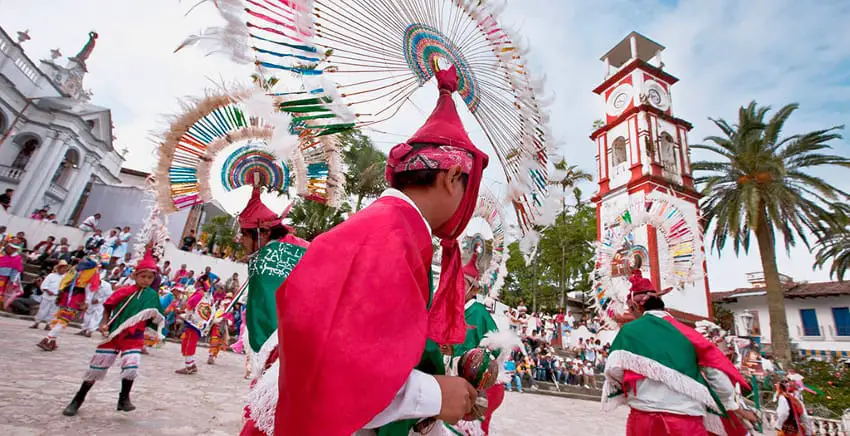
Día de Pueblos Mágicos
Wednesday, Oct. 5, was National Pueblos Mágicos (Magical Towns) Day, as designated by the Department of Tourism (Sectur). There are 132 cities included in the program — from Aculco, México state to Zozocolco de Hidalgo, Veracruz — which highlights places known for their cultural and historical significance. Some of the more popular destinations include Tepoztlán, Pátzcuaro, Valle de Bravo, Real de Catorce, Mazunte and Sayulita. According to Sectur, the combined population of the Pueblos Mágicos today is 8.5 million people (6.8% of Mexico’s population), and they contain 13% of the registered hotel rooms in the country. From Oct. 11 to 14, the fourth annual Pueblos Mágicos tourism fair will be held in Oaxaca and Sectur has announced plans to add more towns to the list in 2023. To be included, municipalities have to demonstrate they have a “unique natural or cultural attraction,” and submit plans and resources for developing tourism services.
Tulum and CDMX: Hot spots for vegetarians
Looking for somewhere to celebrate International Vegetarian Week (Oct. 3-9)? Get yourself to Mexico City or Tulum, touted as the two cities with the largest number of vegetarian or vegan restaurants in the country. And you won’t be limited to gourmet dining or juice bars — even street stands and markets are offering meat-free dishes in Tulum. According to a 2016 Nielsen survey, 28% of Mexican respondents identified as vegan or vegetarian, the highest number in Latin America.
Pre-Hispanic paintings discovered in convent
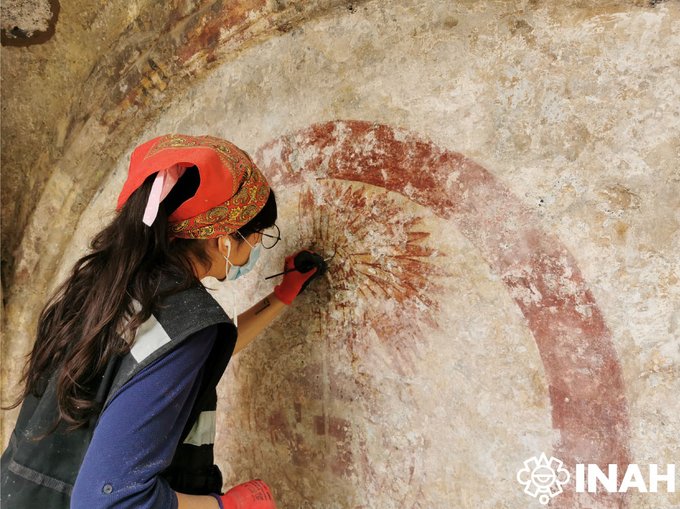
During restoration work at a 16th-century convent in Tepoztlán, Morelos, experts found images of feathered headdresses, an axe and shield hidden under layers of dirt and plaster. The wall paintings were found in three open-air chapels and appear to show indigenous imagery. Historians note that in the early days of the Spanish conquest, Catholic churches included these open-air spaces to encourage the participation of indigenous converts, who were accustomed to performing religious ceremonies outdoors. The discovery of these symbols, juxtaposed with Christian imagery, raises questions of the “relation of pre-Hispanic culture with Christianity in the first years following the Spanish invasion” according to the National Institute of Anthropology and History (INAH).
Mexico’s Compañía Nacional de Teatro (National Theater Company) celebrates 50 years
The 56-member company debuted at the first Festival Internacional Cervantino held in 1972 in Guanajuato, and will return to the festival this month, which is also celebrating its fiftieth anniversary. The company, which is based in the Coyoacán borough of Mexico City, has staged 238 productions in its history and has performed at 44 international venues. This year, the CNT welcomed its first female artistic director, Aurora Cano, who has acknowledged she faces extraordinary challenges: the theater-going population in Mexico according to a 2022 survey was just 4.7%, and the pandemic had devastating financial effects on the performing arts. Cano says her ambition is diversifying the CNT’s repertoire, “broadening our view, expanding the canon,” since “theater is the forum of social debates, it is the epitome of public art.”
Cozumel to be designated first “city of birds” in Latin America

Mexico’s largest Caribbean island is receiving the certification from various conservation NGOs, including the American Bird Conservancy, and the United States Fish and Wildlife Service, in recognition of efforts to provide a “safer and more secure community” for birds by promoting bird-watching and conservation. The island has five natural reserves and three endemic bird species; up to 300 other species have been recorded there. The name Cozumel is derived from Mayan ah cuzamil peten, which translates as “island of the swallows.”
Mexico News Daily