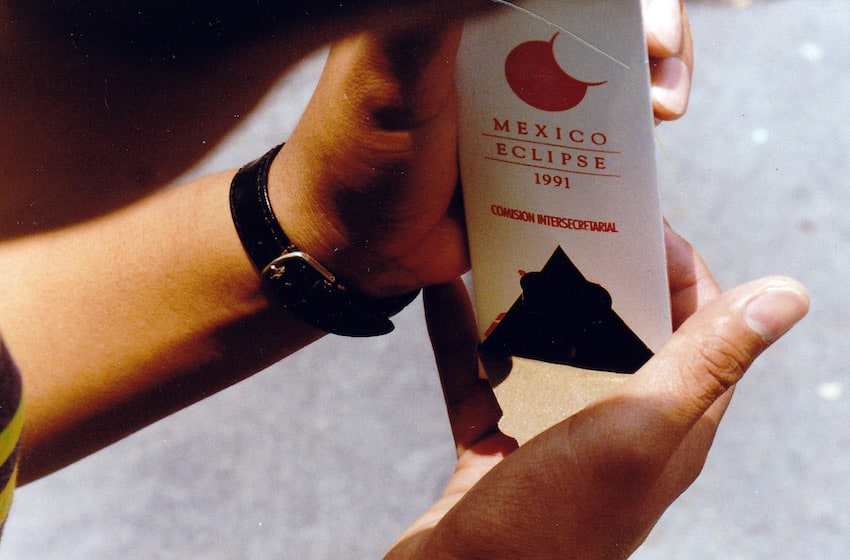
On July 11, 1991, Mexico witnessed a total solar eclipse, from the Baja California peninsula to the southern state of Chiapas.
Mexico’s primary school geography books of 1993 announced it would be another thirty-three years before this rare celestial event could again be observed from the Republic. Such a date has arrived.
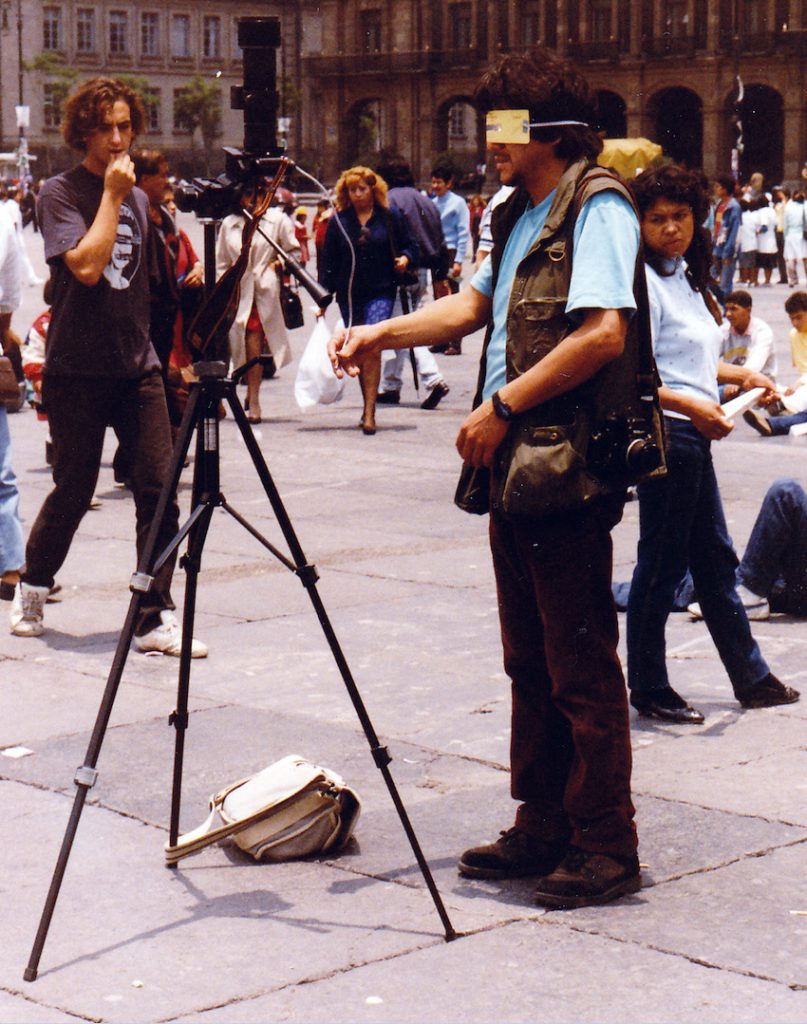
Those students (today 36-37 years old), along with many other lucky Mexicans, will today see a total solar eclipse for the second time in their lives.
In 1991, at least 20 states in Mexico, more than half of the country, witnessed a total solar eclipse. The strip of darkness covered an area of 2,000 kilometers in length and 250 kilometers in width.
Guatemala, El Salvador, Nicaragua, Costa Rica, Colombia and Brazil also witnessed the event.
Mexican news host Jacobo Zabludovsky narrated the eclipse on national television, saying that such an event was “a unique opportunity for our generation.” In an era before the Internet and social media, minute-by-minute television was an essential piece of the eclipse experience.
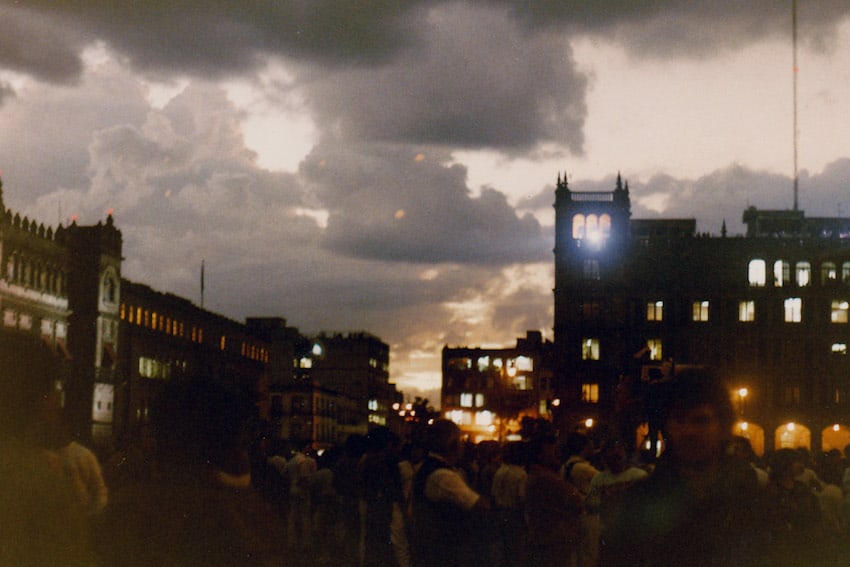
The total solar eclipse was visible at 1 p.m. in what was then known as Distrito Federal, today Mexico City. The “brief night” lasted for six minutes. The phenomenon was seen 15 minutes earlier in the north and over an hour later in the south.

Among Mexicans, fears of losing sight, prenatal deformities and strange animal behavior gripped many, despite endless explanations and precautions offered by the authorities and news media.
According to data from the newspaper El Universal, more than 800 million people worldwide observed the eclipse, as it was considered the most spectacular eclipse of the 20th century.
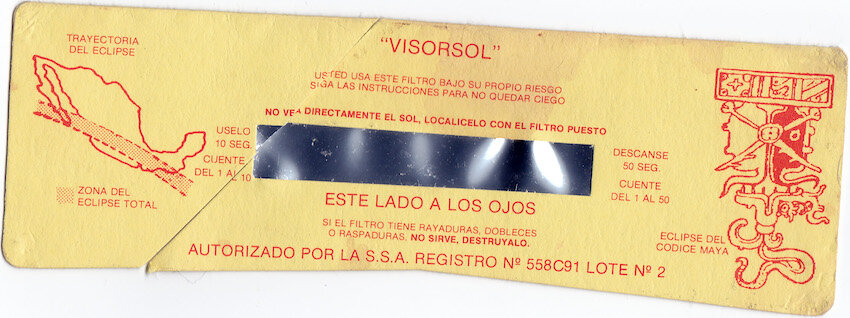
In Mexico City, many people stopped working between 12:10 and 2 p.m., and authorities — just like today — called on the population to avoid observing the sun directly, as it can cause blindness.
The last total solar eclipse in Mexico caused steep drops in temperatures. For instance, in Baja California, the temperature went from 31 degrees Celsius to 6 degrees Celsius in minutes, while in other areas, temperatures dropped below zero degrees. Scientists have noted that the eclipse was particularly visible from Mexico because the solar corona registered more brightness than anticipated, preventing total darkness.
Unlike the 1991 total solar eclipse that submerged most of the country in mid-day darkness, this year’s “brief night” will only be experienced by northern Mexico.
What was happening in Mexico in 1991?
Social media images and videos of Mexico on July 11, 1991, have been circulating over the weekend, recalling what was happening in Mexico at that time.
🌒La última vez que se pudo ver un eclipse solar total en México fue el 11 de julio de 1991. Muchas cosas han cambiado desde entonces.
¿Qué pasaba en el país ese año? ¿Cuánt@s mexican@s éramos? ¿Qué música sonaba?
Este 8 de abril, ¡ven a Las Islas de #CU a ver el eclipse! pic.twitter.com/XoKeylWxlS
— CulturaUNAM (@CulturaUNAM) March 27, 2024
In 1991, Mexico had 83 million residents and the president was Carlos Salinas de Gortari, a member of the Partido Revolucionario Institucional (PRI). There was only one Mexican TV network, Televisa, and Mexico City still had its iconic taxi: the yellow and green VW bugs lovingly referred to as “vochos.”
You can see the live transmission of the Great Mexico Eclipse of 1991 here.
With reports from El Universal and Sin Embargo