A ban on junk food in Mexico’s schools will enter into effect on Monday, government officials announced on Saturday.
The junk food ban is part of the government’s Healthy Living program, a collaboration between the Public Education Ministry (SEP) and the Health Ministry. The ban applies to both public and private schools across all levels of education.
👋🏼🍟🥤 ¡Adiós a la comida chatarra! A partir del 29 de marzo, estará prohibida su venta en las escuelas de todo el país. 🏫🙌🏼 En el Manual para madres y padres de familia, encontrarán recetas nutritivas y deliciosas para sus hijas e hijos. 😋🥗 Disponible en:… pic.twitter.com/A6ouxQtlK4
— SEP México (@SEP_mx) March 26, 2025
Mexico’s Education Ministry announced the ban on the social media site X, writing “Farewell, junk food!”
“One of the core principles of the new Mexican school system is healthy living,” federal Education Minister Mario Delgado said. “There’s a high level of acceptance of this policy among parents.”

The health guidelines were published last October.
“It is much better to eat a bean taco than a bag of potato chips,” Mexican President Claudia Sheinbaum, who advocated for the ban, said in October when she introduced the guidelines.
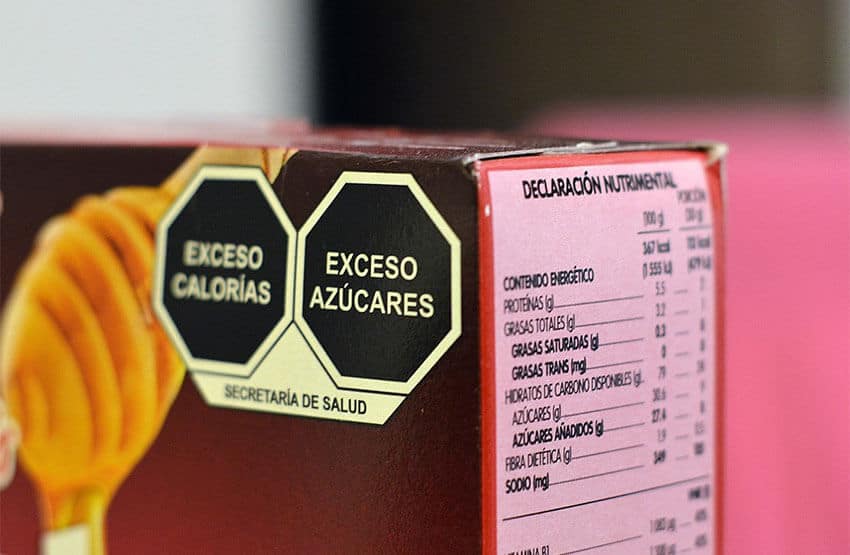
Under the new guidelines, schools must phase out any food and beverage displaying one or more black warning logo marking it as high in salt, sugar, calories or fat. The warning label system was introduced in 2020 to better inform consumers about food products.
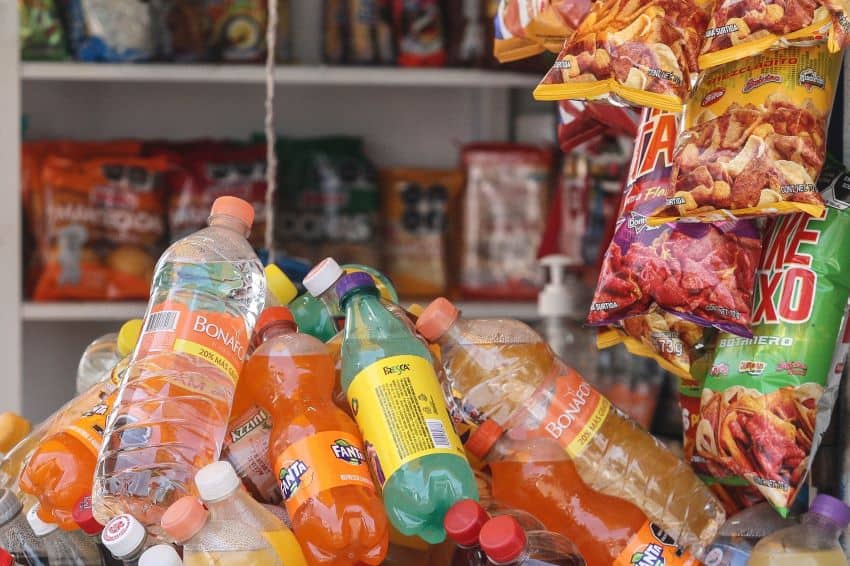
According to SEP, cafeterias in all schools nationwide will no longer be able to sell junk food including:
- Fried, salted peanuts
- Donuts
- Flan
- Hamburgers
- Hot dogs
- Juice boxes, soda or carbonated drinks
- French fries
- Cake
- Pizza
- Chicharrones (fried pork rinds)
- Cueritos (pickled pork rinds)
- Canned fruit in syrup
- Candy
- Cream pops and ice cream
- Flavored milk
- Nachos with cheese
- Industrialized snacks
School cooperatives and cafeterias may sell foods such as:
- Fresh fruits and vegetables
- Desserts made with seeds and/or whole grains (without added fat or sugar) such as natural popcorn or amaranth bars
- Mixed nuts (walnuts, almonds, cranberries, or prunes, among others).
- Herbal or fruit infusions, and natural teas.
- Legumes: broad beans, lentils and kidney beans, among others.
- Foods of animal origin like panela cheese, jocoque, cottage cheese, eggs and chicken.
- Cereals including corn tortillas, whole-wheat bread and oats.
The ban requires schools to provide more nutritious food and drink alternatives. School administrators who violate the ban could face fines of between 545 to 5,450 pesos (US $27 and $266).
A junk food epidemic
The government is implementing the change to tackle one of the world’s worst obesity and diabetes epidemics. According to data from the National Health and Nutrition Survey, 37% of Mexican children between the ages of 5 and 11 are obese.
UNICEF classifies Mexico’s childhood obesity epidemic as an emergency. Mexico is the largest consumer of ultra-processed products, including sugary drinks, in Latin America, according to the agency. Sugary drinks and highly processed food account for around 40% of the total calories preschoolers consume in a day, the agency reported.
The tricky part: Enforcement
While the move is a step in the right direction, it will be difficult to enforce. In the past, junk food bans in Mexico have had a limited effect, as monitoring Mexico’s 255,000 schools, many of which lack water fountains and even electricity, is no easy feat.
The government has not yet announced how it plans to enforce the ban in and around schools.
Renata Judith de la Torre Ley, director of the Program for Comprehensive Care and Development at the Jalisco Ministry of Education (SEJ), said that school administrators will be required to notify the corresponding authorities of noncompliance.
“We want to provide this support at all our schools, and we believe it’s important to inform [cafeteria cooperatives of potential violations] before resorting to sanctions,” de la Torre explained.
With reports from Associated Press, RÉCORD and Vanguardia