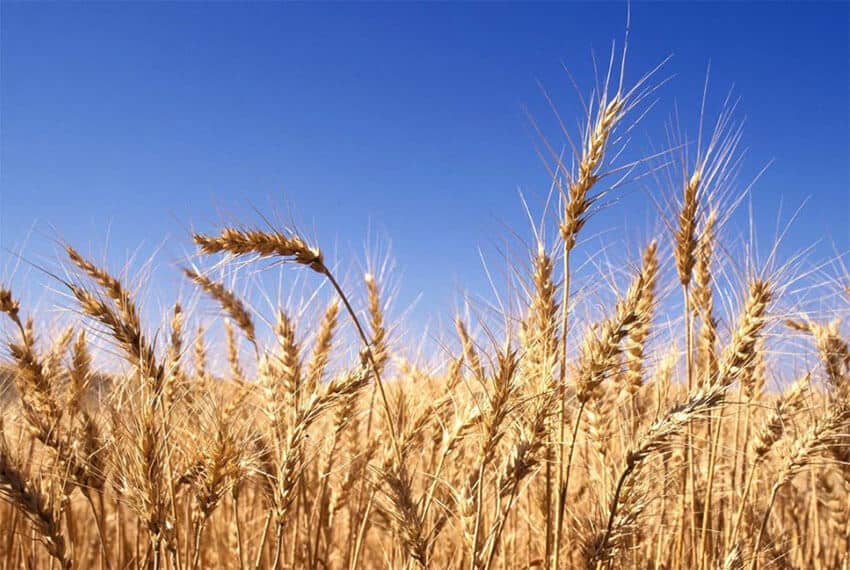
The cultivation of wheat in Mexico is causing the release of large amounts of a dangerous greenhouse gas.
Durum wheat farmers in the Yaqui Valley of Sonora are causing the release of “huge surges of nitrous oxide gas,” The Washington Post reported.
Commonly known as laughing gas, nitrous oxide is released into the atmosphere in large quantities when farmers irrigate fields where nitrogen fertilizer has been laid but crops have not yet been planted. Without crops in the ground, much of the nitrogen fertilizer isn’t absorbed and when it mixes with water nitrous oxide is produced.
The Post said that emerging scientific evidence suggests that Mexico’s nitrous oxide emissions are significantly underestimated, and could be four times higher that what the country reports. It also said the gas is responsible for 6.5% of the world’s current warming and that it is 265 times more powerful than carbon dioxide in heating the atmosphere over a period of 100 years.
Wheat farmers in the valley are responsible for more emissions than they should be because they’re over-fertilizing their fields, the Post reported.
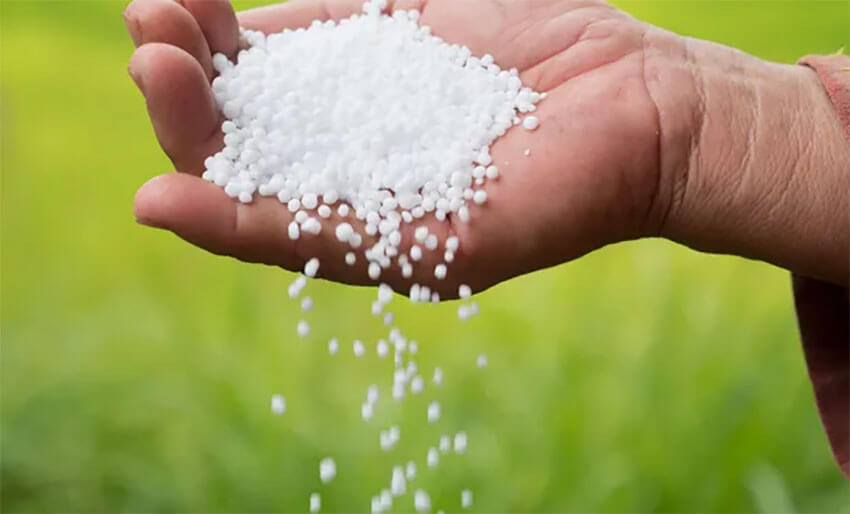
“… [They] apply about 300 kilograms of nitrogen onto every hectare of land they cultivate — primarily by scattering urea pebbles onto the soil before planting and later pumping anhydrous ammonia gas into the irrigation water once the wheat starts growing,” it said.
“That rate of nitrogen use is 50% higher than what is allowed by law in parts of Germany. Britain prohibits fertilizing before planting in vulnerable areas — a common practice in the valley.”

The federal government acknowledges that Mexico’s nitrous oxide emissions are problematic, but has no regulations that limit fertilizer use.
That’s partially because “these types of regulations are difficult to enforce, especially considering the size of our country compared to European countries,” said Juan Gabriel León Zaragoza, a spokesman for the Agriculture Ministry.
Iván Ortiz-Monasterio, an agronomist from Cuernavaca who has spent years trying to persuade farmers to use nitrogen fertilizer more efficiently, told the Post that wheat producers in the Yaqui Valley face financial and cultural pressures that encourage them to use too much fertilizer, even though they would save money and reduce pollution if they used less.
“For the farmer, the cost of fertilizing too much is less than the cost of fertilizing too little,” he said. “That’s because they are not taking into account the environmental cost.”
Excess nitrogen also seeps into drainage canals in the Yaqui Valley and eventually into the Gulf of California, where it has caused algae blooms. The contamination poses a threat to marine species such as fish, shrimp and crabs.
“The pesticides, the herbicides, the fertilizers, all of it flows into the sea. And all of it affects us,” said Manuel Díaz Lopez, a 68-year-old fisherman in Paredón Colorado, a coastal community about 50 kilometers south of Ciudad Obregón.
“Everything pours off the shore and the species die,” he told the Post. “I remember when I was 10 years old, the boats would come back with 200 kilos of shrimp. Now, they’re getting 10 or 20 kilos in a day.”
With reports from The Washington Post