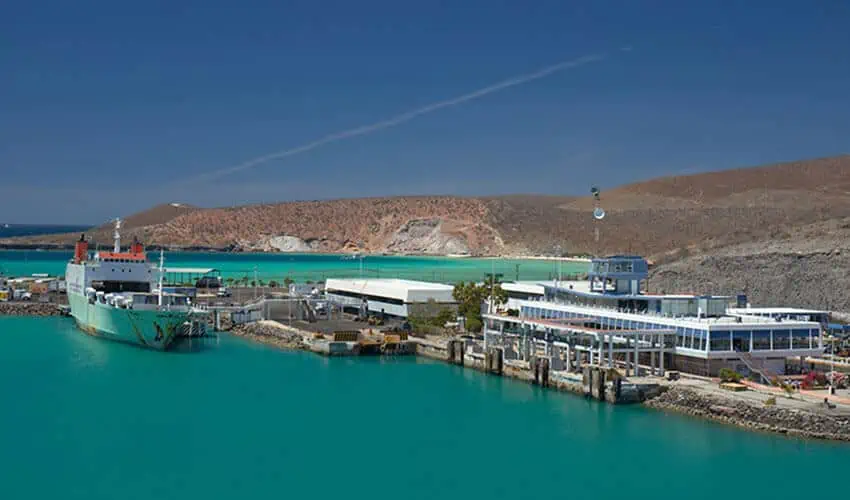
A plan to build a cruise ship pier in La Paz, Baja California Sur (BCS), is facing opposition from a range of organizations and collectives, including one with the peculiar name of “Let’s Bribe the Environment Ministry.”
The company Aquamayan Adventure is seeking authorization to build a new pier capable of accommodating two large cruise ships in Pichilingue, a Gulf of California port about 40 kilometers north of the city of La Paz.
BCS Governor Víctor Manuel Castro Cosío met late last week with members of various groups that oppose the project and together form an umbrella group known as “Movement for a Healthy Bay of La Paz.”
The activists submitted information about the environmental and economic risks of allowing the construction of a new pier, the BCS-based newspaper El Independiente reported. The governor requested time to review the information before responding to it.
The activists said that they have collected more than 9,000 signatures from BCS residents concerned about the prospect of large-scale cruise ship tourism in La Paz. The proposed project is currently the subject of a public consultation process managed by the federal Environment Ministry (Semarnat).
Local scientists have claimed that Aquamayan Adventure’s assessment of the environmental impact of its project uses ambiguous concepts and is not based on the best available information. It consequently contains imprecise information about the impact that construction of the pier would have on the environment, four scientists said in a document submitted to Semarnat.
They claimed that the project would contaminate the Gulf of California with mud due to dredging as well as toxic insoluble hydrocarbons. The operation of the pier would cause additional contamination, further endangering marine life, they said.

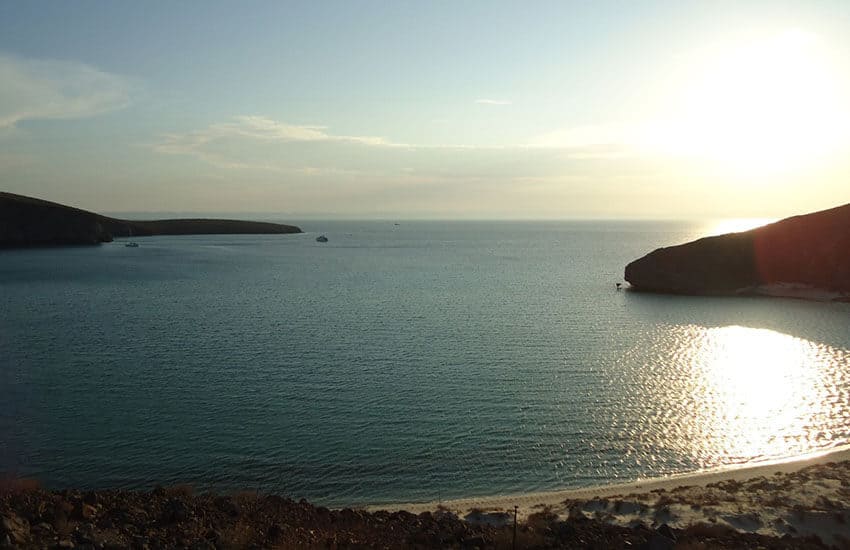
The scientists also said that the project would encroach on the Balandra Flora and Fauna Protection Area and raised concerns about the construction of a proposed desalination plant to provide fresh water to a tourism complex that would house a new cruise ship terminal.
They said that Aquamayan’s environmental information doesn’t outline the impact the desalination plant would have on the Mogote-Ensenada de La Paz wetlands, a site protected by the Ramsar Convention on Wetlands of International Importance.
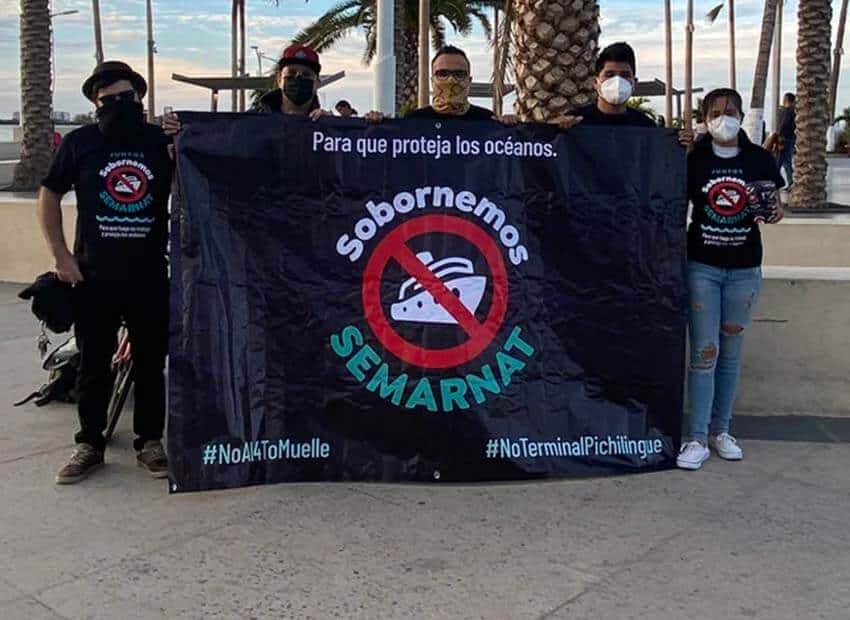
Another group opposed to the construction of a new pier in La Paz, as well as a fourth pier in Cozumel, Quintana Roo, is “Sobornemos Semarnat” (Let’s bribe the Environment Ministry).
Its members claim that Semarnat is on the side of the companies planning to build the new piers and is aiming to collect 1 million pesos (US $49,300) to “bribe” the ministry to stop the projects.
In a tongue-in-cheek statement issued earlier this month, Sobornemos Semarnat said that it was aware that the practice of handing over money to environmental authorities has been used previously to gain support for various “megaprojects.”
“That’s why we’re now calling on the public [to donate money] so that we can ‘bribe’ Semarnat so that it decides to stop the destruction of these unique ecosystems,” it said.
The collective said it rejected “all forms of corruption” but charged that it was compelled to act in such a way due to the urgency of the situation.
“If we don’t have a direct and public channel to deliver the money collected, as well as a guarantee of compliance with the law, we will put the money at the disposal of … the collectives and organizations … opposed to the [proposed] cruise ship piers in Cozumel and La Paz,” it said.
Sobornemos Semarnat said on its Facebook page last Thursday that it had collected 10,000 pesos, or just 1% of its goal.
With reports from El Independiente and Infobae