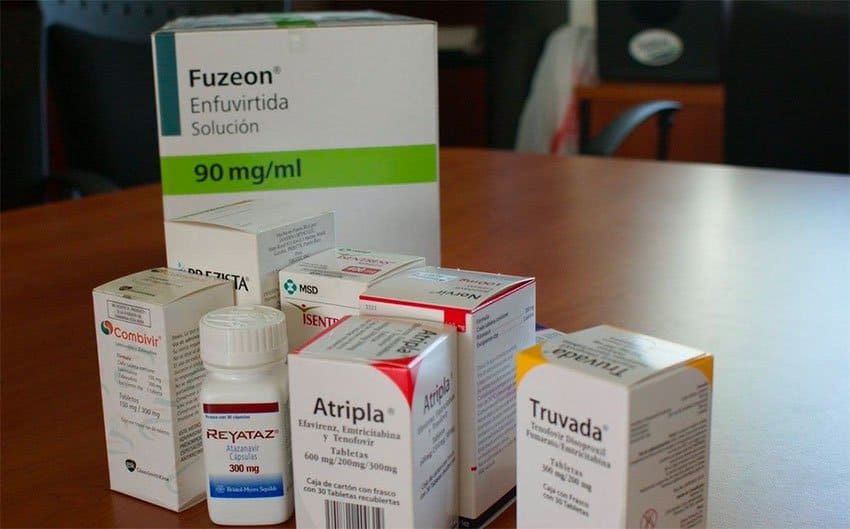
The Oaxaca government has been forced to make emergency purchases of medications after a new federal buying policy failed to deliver, resulting in shortages throughout the state.
Oaxaca Health Secretary Donato Casas said the Oaxaca Health Services (SSO) spent 90 million pesos to guarantee the supply of medications in the state’s 50 hospitals and 300 clinics. He said that close to 50% of the state’s health centers had been affected by the shortages, although a health workers’ union placed the number closer to 70% or 80%.
Casas explained that the crisis followed plans by the federal government to assume responsibility for the purchase of medications beginning in March, a measure that is part of a process to federalize healthcare.
However, due to a lack of funds the federal health secretary informed the SSO that it will not actually cover the purchases until June.
The state health secretary said the government expects the emergency purchases will ensure an adequate supply of medications.
But a health union spokesman warned the state’s healthcare system could collapse within 10 to 15 days if there is not an immediate resolution to the supply problem.
In response, Casas said that the SSO is currently engaged in talks with the federal government to guarantee a full supply of medications to the state’s public hospitals.

Source: Milenio (sp), El Universal (sp)