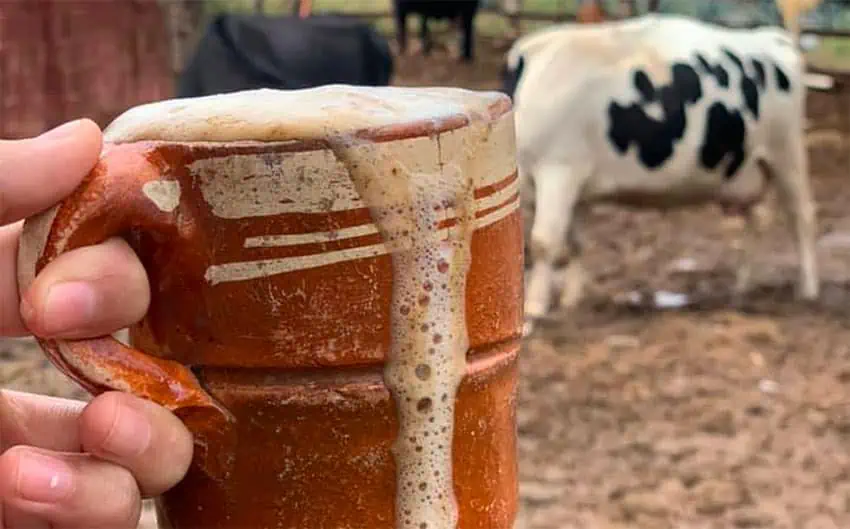
A drink made from fresh milk, chocolate, sugar and cane alcohol is coming to be known as the “drink of death” in Jalisco, where 25 people have died and 20 more have been sickened after drinking the concoction, known as pajarete.
Health Minister Fernando Petersen Aranguren is asking residents not to consume artisanal drinks because the quality, purity and safety of cane alcohol used in their production cannot be guaranteed.
Family members of Gustavo Chávez Anaya, who died on April 29 at age 61, say he only had one serving of the popular regional beverage before falling ill.
“He felt his hands grow numb, his body heavy, and he could not see well after drinking it,” said his niece, Carolina Chávez.
His symptoms were typical of what occurs after drinking alcohol tainted with excessive levels of methanol.
Typically used in solvents and antifreeze, methanol can metabolize to formaldehyde and formic acid in the liver and become toxic within a few hours of being ingested.
Symptoms included dizziness, blurred vision or blindness, difficulty breathing, seizures and severe abdominal pain.

The pajarete tradition is popular on ranches in Jalisco, Michoacán and Guanajuato, where many drink it in the morning for energy.
Many cattle ranchers also produce it for profit, as the market for fresh milk is oversaturated and a liter of pajarete, which uses milk as an ingredient, fetches a higher price.
The president of Jalisco’s Regional Livestock Union, Adalberto Velazco, estimates that hundreds of ranchers across 45 municipalities are dedicated to producing pajarete, but as deaths mount their industry may be shut down by authorities.
Adulterated liquor, like the cane alcohol used in pajaretes, has been responsible for at least 189 deaths in Mexico since May 1.
Source: Milenio (sp)