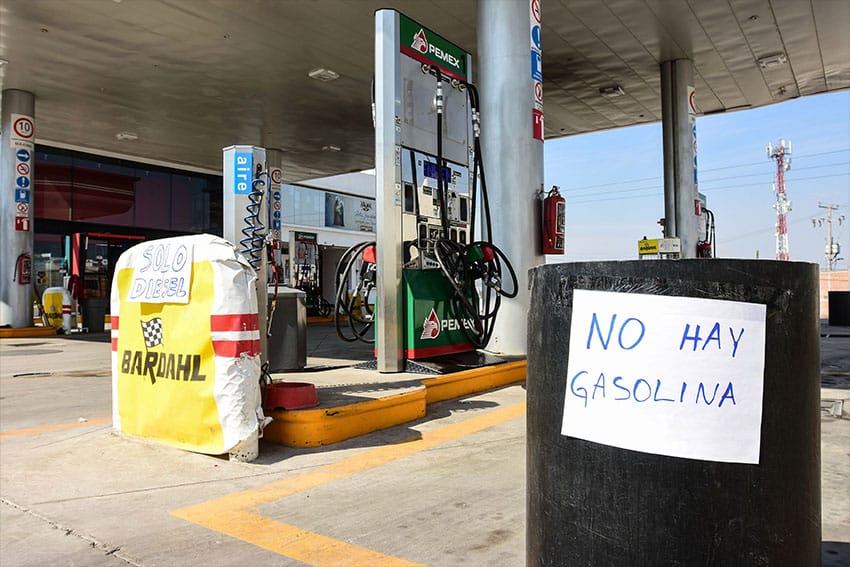
A United States ban on fuel exports – a measure the U.S. government is reportedly considering to lower costs for motorists in that country – would have a severe impact on Mexico, energy experts warn.
The news agency Bloomberg reported Oct. 4 that White House officials have asked the U.S. Department of Energy to analyze the possible impacts of a ban on exports of gasoline, diesel and other refined petroleum products.
The move is an “indication that the controversial idea is gaining traction in some parts of the Biden administration,” Bloomberg said, noting that there is “growing concern that high gasoline prices pose a political threat to Democrats in the November elections.”
The American Petroleum Institute and the American Fuel and Petrochemical Manufacturers sent a letter to U.S. Energy Secretary Jennifer Granholm Tuesday saying they have “significant concerns” that the U.S. government is considering limiting fuel exports in an attempt to lower prices for American motorists.
“Banning or limiting the export of refined products would likely decrease inventory levels, reduce domestic refining capacity, put upward pressure on consumer fuel prices and alienate U.S. allies during a time of war,” they said.
Three energy experts who spoke with the El Universal newspaper warned that if the United States were to implement an export ban, there would be serious consequences for Mexico given that much of the fuel sold here is imported – mainly from the U.S.
“You just have to remember that Mexico imports between 800,000 and 850,000 barrels of petroleum products per day, mostly from the United States market,” said Ramsés Pech.

Six of every 10 liters of gasoline and diesel sold in Mexico are imported, he said. The energy analyst said that a ban on U.S. fuel exports would be concerning for Mexico because refining capacity here is still well short of reaching a point where domestic demand can be met, despite President López Obrador setting a goal of making Mexico self-sufficient for fuel by 2023.
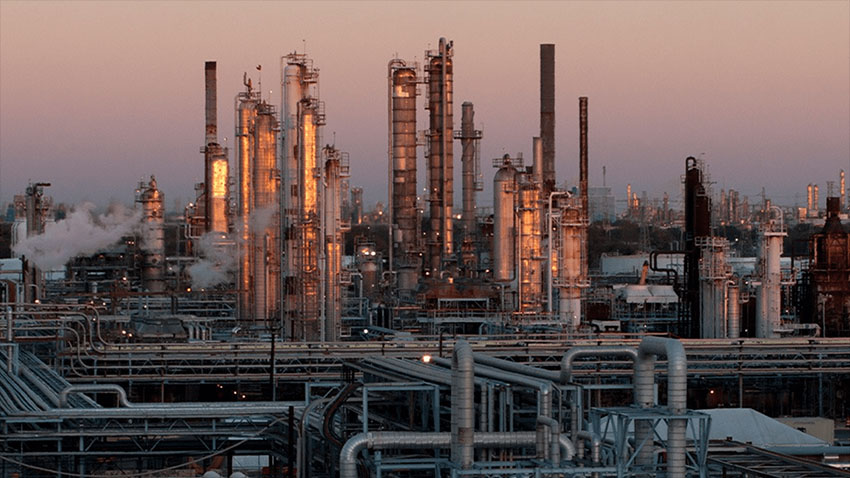
Pech noted that Pemex’s new refinery on the Tabasco coast is not yet producing fuel and that the state oil company’s refinery in Texas wouldn’t be able to send fuel to Mexico if an export ban takes effect in the United States.
Luis Miguel Labardini, a partner at energy consultancy Marcos y Asociados, said there would be probably be a fuel shortage in the short-term if the U.S. was to put an export ban in place.
He said that eventuality was unlikely, but still recommended that the federal government act cautiously and direct Pemex’s trading arm, PMI Comercio Internacional, to “start to look for alternate supply sources in other countries, even though that implies negotiating prices on an open market” and quotes will likely be higher than the prices currently paid.
Gonzalo Monroy, director of the energy consultancy GMEC, said that Mexico could look to countries such as Brazil and Aruba to buy fuel but concluded that a U.S. ban on exports would nevertheless have a devastating impact here.
Mexico spent more than US $13 billion on fuel purchases from U.S. refineries in the first eight months of the year, according to official data published by El Universal.
Amid the speculation that the United States could ban or limit fuel exports, OPEC+ – a group of 24 oil producing countries including Mexico – announced Oct. 5 that it had decided to cut oil production by 2 million barrels per day starting in November, a move designed to counter recent declines in the price of crude.
With reports from El Universal and Bloomberg