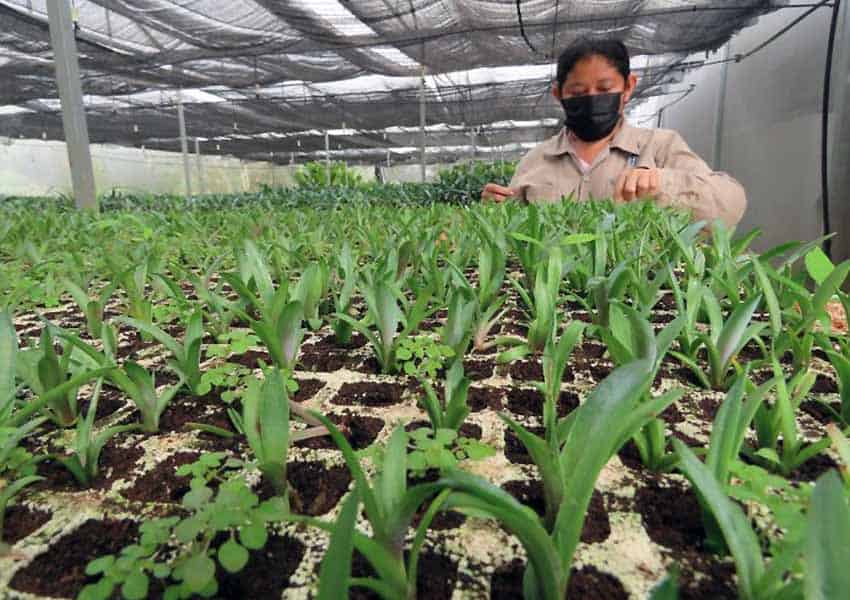
Farmers in Yucatán are reaping the rewards of a project that used genetic engineering to create a fast-growing and more productive henequen plant, a species of agave that can be processed to make textiles and a distilled spirit.
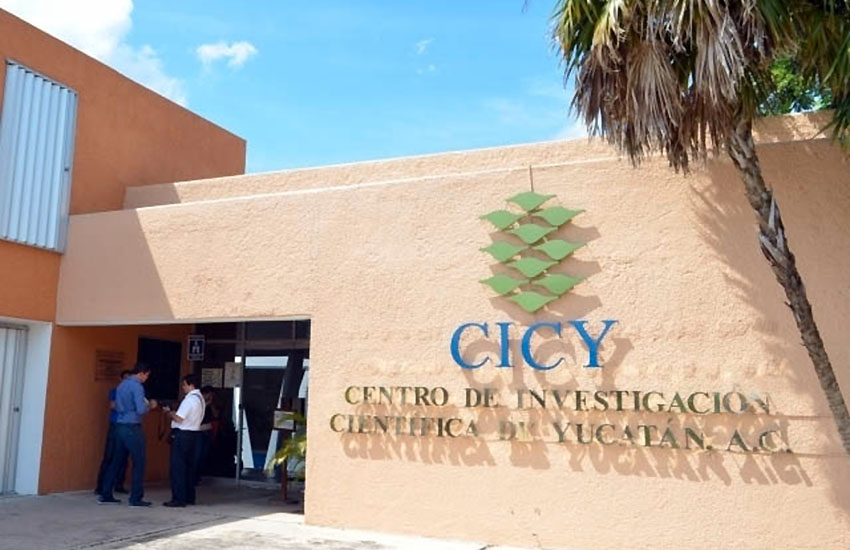
Scientists from the Mérida-based Yucatán Scientific Research Center (CICY) developed the improved plant, which has been dubbed “elite henequen.”
According to a report by the news agency EFE, the scientists visited henequen (Agave fourcroydes) plantations years ago and selected the most robust, resistant and leafiest plants. They removed the plants, took them to CICY labs and used in vitro genetic engineering processes to create “elite henequen” from them.
Since 2017, CICY has distributed more than 700,000 of the “elite henequen” plants to some 100 growers across Yucatán.
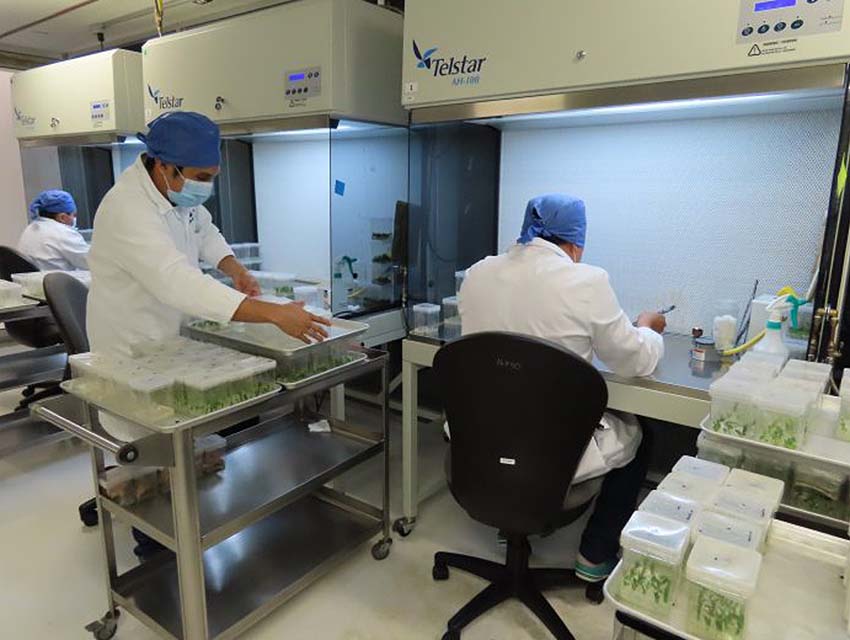
“Now we’re seeing the results,” Javier García, director of technological management at CICY told the news agency EFE. “The producers recognize that the elite species grows more quickly, with more and longer leaves [yielding] a greater content of fiber,” García said.
According to García, the genetically enhanced plants grow to maturity in just three years, whereas an unmodified henequen plant takes five or six years to reach a point at which its leaves can be used to extract fiber, from which textiles can be made.
Bernardino Martín Chan, president of a Yucatán farmers association and manager of a plant where henequen is processed, gave a similarly glowing assessment of the “elite henequen.”

“CICY’s new henequen plants do grow quickly and they’re bigger,” he said. “If they distributed them across the whole state, we would once again have the splendor of yesteryear because the best henequen in the world is from Yucatán.”
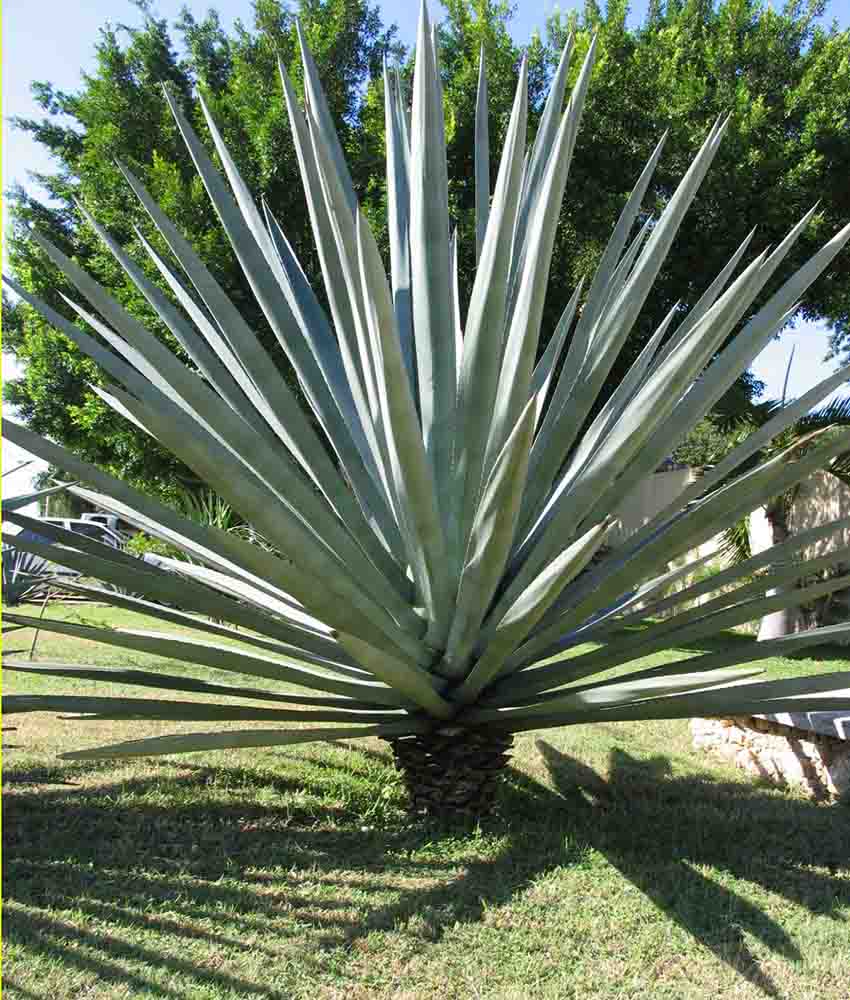
Chan was referring to henequen’s historic reputation as Yucatán’s “green gold” because of the prosperity its production and exportation brought to the state during the late 19th and early 20th centuries. The plant was grown on large henequen haciendas, and some estate owners used their wealth to build opulent homes in Mérida, such as those located on the state capital’s emblematic boulevard, Paseo de Montejo.
Yucatán’s henequen industry declined as the 20th century progressed, partially due to the development of synthetic fibers. But it could now be on the verge of a renaissance thanks to the development of the “elite henequen.”
“Our mission is to promote the cultivation of henequen in the state,” García said before waxing lyrical about the “undeniable quality” of the genetically modified plant. He also said that CICY is working “hand in hand” with producers.
García added that the cultivation of the modified species will “rescue” henequen processing plants in Yucatán because they will have more plants to process. He noted that henequen can be used to produce a variety of products, including licor de henequén, a spirit similar to tequila.
“We’re no longer in the previous centuries when only rope and sacks were made [with henequen],” he said. “Now we’re looking to other kinds of products like … rugs, carpets, handicrafts, clothing accessories and an alcoholic beverage.”
He also talked up henequen’s environmental credentials — it doesn’t require much water. The market is increasingly demanding products made with natural raw materials to avoid contaminating the planet, García said.
Chan, the farmers association president, said that the federal government should partner with CICY to distribute “elite henequen” free of charge to growers across all 106 of Yucatán’s municipalities. “It can be achieved with the Sowing Life program,” he said, referring to the government’s reforestation and employment program in which saplings of fruit and timber-yielding trees are distributed to landowners.
With reports from EFE