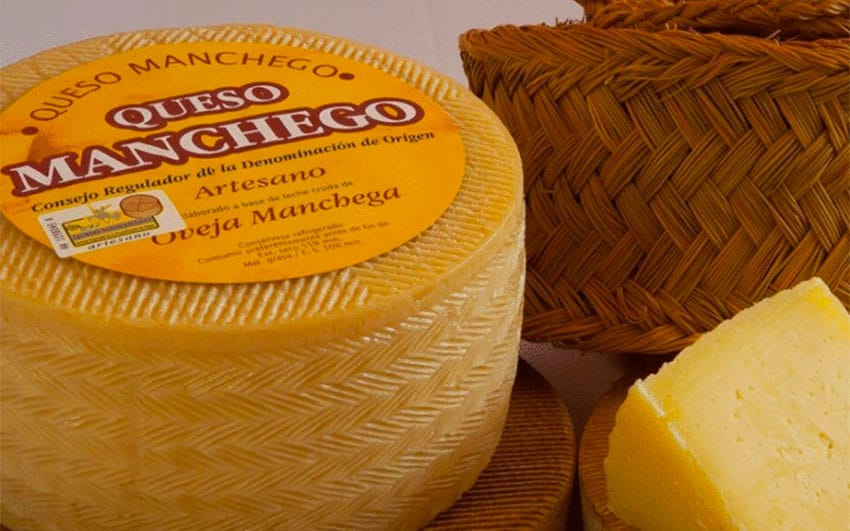
It may look, smell and taste like cheese, but much of the creamy manchego on grocery store shelves in Mexico simply isn’t, according to the federal consumer protection agency Profeco.
The agency analyzed 46 popular brands found in supermarkets across the country and found that many do not give the consumer the product advertised on the label.
The study looked at the contents of 29 brands from Mexico, six from Spain, eight cheese imitation products, two processed cheeses and one made from goat’s milk. It found that the brand Sabores de Mi Tierra had too much added vegetable oil to be called cheese.
Other labeling problems the study found included incorrect nutritional value information, undeclared ingredients, omission of the country of origin of the ingredients and even brands that contained less product than stated on the label, among others.
The brands Walter and Cremería Covadonga failed to include the country of origin on the labels, as did Lalo on its regular and lactose-free manchego slices.
Eight of the products analyzed were found to contain less than the amount advertised on the label. These were all 200 to 400-gram packages of block, sliced, reduced-fat, lactose-free and imitation cheese from the brands Caperucita, Cremería Covadonga, NocheBuena, Portales de Prividencia, Zwan Premium, Capone’s and Aurrera.
Profeco went on to list a number of problems found in manchego labeling including the absence of fat or protein content and other nutritional information.

The original Spanish recipe for manchego calls for sheep’s milk, and produces a cheese wholly different to that in Mexico, which is basically Monterrey Jack.
The use of European names for Mexican cheeses has been an issue in the past but two years ago trade negotiations with the European Commission gave Mexican producers the OK for using the names manchego, parmesan and gruyere.
Profeco has also studied the risks to the consumer posed by the labelling and actual content of other foods, such as ketchup and popcorn, and found similarly untrustworthy and incomplete information for the consumer.
Source: El Universal (sp)