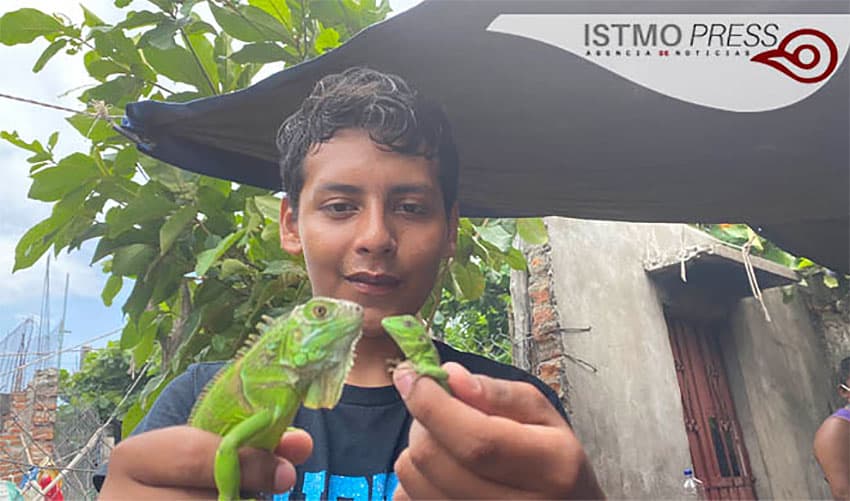
A teenager in Oaxaca is determined to help save endangered iguanas in the Isthmus of Tehuantepec, where hundreds are killed every day for food.
At just 15 years old, José Francisco Sánchez of Juchitán is dedicated to the conservation of the reptile, which is a traditional ingredient on menus in the region and whose meat is thought to be an aphrodisiac.
According to data from the Juchiteco Ecological Forum, 200 iguanas are consumed each day in Juchitán, a number which soars to 500 per day during Holy Week when the meat is often used to make tamales or stew.
However, the rise in consumption over Easter comes during the time of year when iguanas lay their eggs, but the Zapotecan tradition continues and iguanas in the wild are in short supply.
Sánchez’s love for the iguana began two years ago in middle school, and since then he has used his own money to buy wood, wire and other supplies to build cages that mimic their natural habitat. Although he says he realizes he can’t convince people not to eat them due to cultural reasons, he hopes to help breed them to aid in the species’ survival.
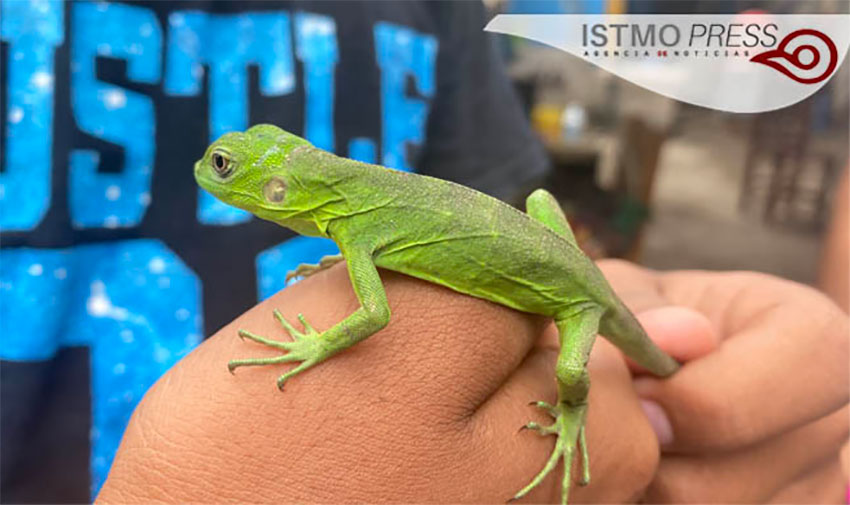
“I learned to value animals since I was a child,” Sánchez says. His uncle also breeds iguanas and the teenager’s dream is to see his breeding program become a federally accredited Wildlife Management Unit (UMA). That way he could breed them legally as the reptiles are in danger of extinction and have been granted special protection under Mexico’s environmental laws.
UMAs are also allowed to sell iguanas, which some people raise like chickens in backyard farms rather than hunt them in the wild, a practice that helps conserve the species.

But Sánchez plans to raise his lizards to adulthood — iguanas reach sexual maturity at between 3 and 4 years of age — before releasing them into the wild.
Sánchez learns about their care and feeding through the internet and social media, and says he dreams of one day becoming a herpetologist.
Juchitán is also home to an iguanarium which has had federal permission to breed green and black iguanas for 15 years. In June, the iguanarium released more than 50 iguanas into the wild, and some 3,000 of the reptiles have been released since the project began in 2005. The iguanarium also sells iguanas to keep up with local demand for their meat.
Source: La Jornada (sp), Istmo Press (sp)