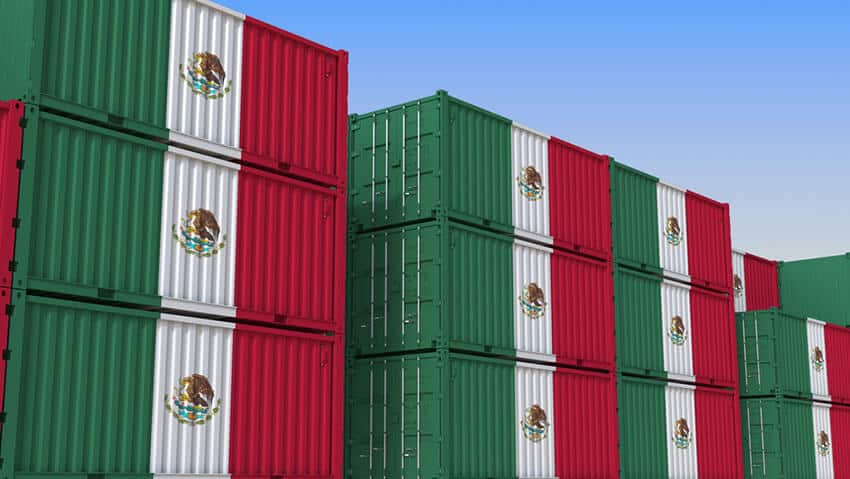
It may seem hard to believe today but Brazil and Mexico were once the envy of the world. Their economies grew more than 6% a year from 1951-80, almost as fast as postwar growth paragons South Korea and Japan.
Since the debt crisis of the 1980s, Latin America has fallen badly behind. In recent years it has sunk to the bottom of the emerging market class, underperforming the Middle East or sub-Saharan Africa.
Latin America’s inability to grow generates much hand-wringing and many theories. Low productivity, poor infrastructure, corruption and political instability are recurrent themes. Criticisms are leveled at the leftwing governments of the early 2000s for not investing enough wealth from the commodity boom in building competitive infrastructure or delivering high-quality education and health. The right is faulted for doing too little to tackle entrenched inequality, promote effective competition or make taxation fairer.
Coronavirus cruelly exposed Latin America’s limitations; the combined health and economic impact from the pandemic was the worst in the world. Now change is in the air. In a series of important elections, voters in the region have turned on incumbents and picked radical newcomers. Peru and Chile have swung far to the left, Ecuador, Uruguay and Argentina have tilted back to the right. Brazil and Colombia vote this year.
Fortunately, Latin America’s plentiful natural resources mean that opportunities abound. The region is rich in two key metals for electrification: copper and lithium. Home to some of the world’s sunniest and windiest areas, it could generate gigawatts of ultra-low-cost electricity to produce and export green hydrogen.
The region is in the middle of a tech boom so big that it attracted more private capital in the first half of last year than southeast Asia. The world’s biggest standalone digital bank, Nubank, is Brazilian. Tiny Uruguay is a leading software exporter.
A push by the U.S. to bring production closer to its shores could give manufacturing in Mexico and Central America a fillip. Brazil has fostered the development of globally competitive high-tech agriculture.

To exploit these opportunities to the full, Latin America needs to adopt pragmatic solutions that leave behind ideological debate. This should begin with the axiom that wealth must first be created to be shared. A flourishing private sector, a fully functioning state, quality public services, the rule of law and foreign investment are all essential ingredients.
Taxation in some nations is too low but raising it will only help if the proceeds deliver healthier, better educated and more productive citizens, and competitive economies. Too often in Latin America, higher government spending has meant padded payrolls and increased corruption, rather than better outcomes.
Citizens across Latin America are growing restive. Tolerance for governments of any stripe that fail to deliver is minimal. Their faith in elected presidents is being sorely tested.
During the last growth spurt, Mexico was a one-party state and Brazil mostly a military dictatorship. If the region is to avoid sliding back into populist authoritarianism, its new leaders urgently need to show that democracy can deliver strong, sustainable growth and shared prosperity. That means abandoning dogma and seeking consensus around long-term policies to build effective states, strengthen the rule of law and create globally competitive economies. Time is running out.
© 2022 The Financial Times Ltd. All rights reserved. Please do not copy and paste FT articles and redistribute by email or post to the web.