Crazy as it sounds, the Texas freeze — which earlier this month stopped gas exports to Mexico, shutting off power to 4 million consumers and bringing car factories and manufacturing plants to a halt — was manna from heaven for President López Obrador’s nationalistic energy ambitions.
Because Mexico imports 65% of its petrol and 86% of its natural gas from the U.S., López Obrador was able to use the days-long supply shock to illustrate the perils of over-reliance on a foreign supplier and provide it as proof that Mexico needed to be self-sufficient in energy.
As is often the case with López Obrador, it was the right diagnosis but the wrong remedy.
“Unfortunately, he’s doubled down on his diagnosis as a result of Texas. He thinks in electricity, as in oil, Mexico should be self-sufficient and has resources and that by changing the structure of the market, he’s trying to secure that,” said Graham Stock, emerging markets sovereign strategist at BlueBay Asset Management.
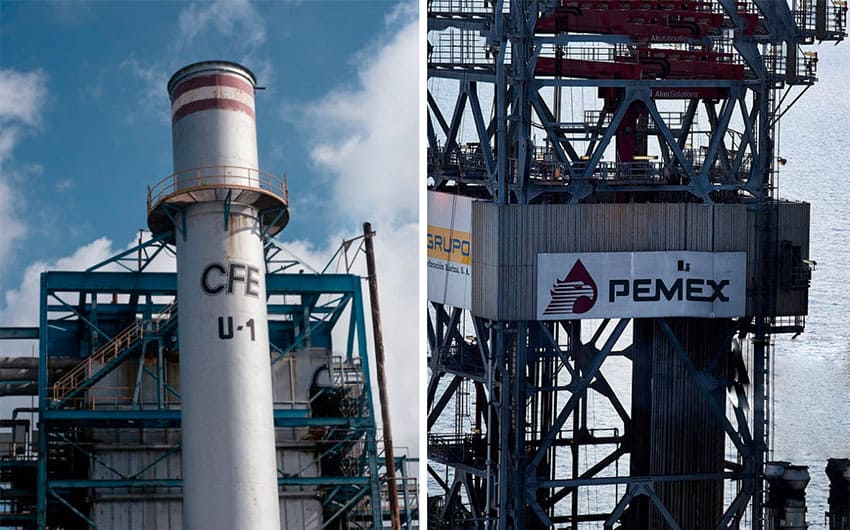
This week, legislators heeded the president’s call not to change a comma of a sweeping electricity reform bill that would dramatically alter the electricity market in favour of state utility CFE. The bill still has to pass the Senate in the coming month, but the market expects approval will be a done deal.
If so, out goes the principle of dispatch into the national grid based on cost, and in comes priority for CFE.
Under current rules, renewable energy is dispatched first. The law would promote CFE’s hydropower plants to the front of the queue, followed by all of CFE’s thermal generation (including coal and fuel oil) followed only then by renewables and finally by all other private generation.

Julio Valle, spokesman for the Mexican Association of Wind Power, said the average cost last year for generation contracted under wind auctions, which López Obrador has halted, was 650 pesos/MWh (US $32/MWh) compared with $69/MWh on average for CFE.
Ana Laura Magaloni, a lawyer and one-time Supreme Court judge candidate, said the bill was “blatantly unconstitutional” since it echoed parts of a previous initiative that the Supreme Court struck down this month.
If passed by the Senate, it is certain to trigger injunctions and constitutional challenges.
However, López Obrador has made clear he will not give up on an issue he considers central to his vision of Mexico — even if it does face legal challenges. Meanwhile, analysts say it would deal the biggest blow yet to investor confidence in the government.
It would also put Mexico on a collision course with Joe Biden’s clean energy plans. The U.S. has long complained of Mexico’s attempts to change the rules in the electricity market.
For all its trouble, will López Obrador’s plan ease Mexico’s dependence on Texas? No, said Stock.
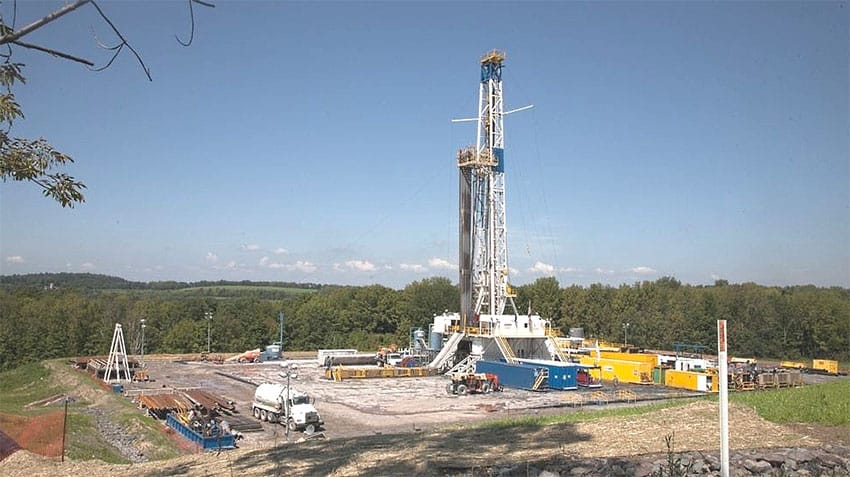
Mexico has vast shale gas reserves but López Obrador has ruled out fracking and “without fracking, there’s no gas,” Stock said. Ironically, the Mexican president’s plans overlook one peril of self-sufficiency, he added: “Texas’ problem was that it wasn’t connected to the U.S. grid.”
© 2021 The Financial Times Ltd. All rights reserved. Please do not copy and paste FT articles and redistribute by email or post to the web.