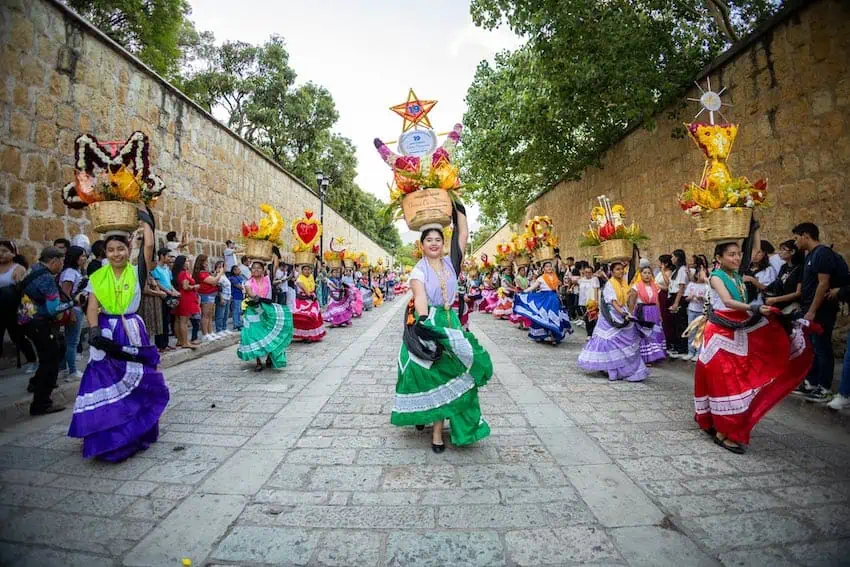
Oaxaca City is expecting to draw 139,000 tourists throughout July as it prepares to celebrate the 92nd edition of La Guelaguetza, the city’s biggest cultural event, from July 22-29.
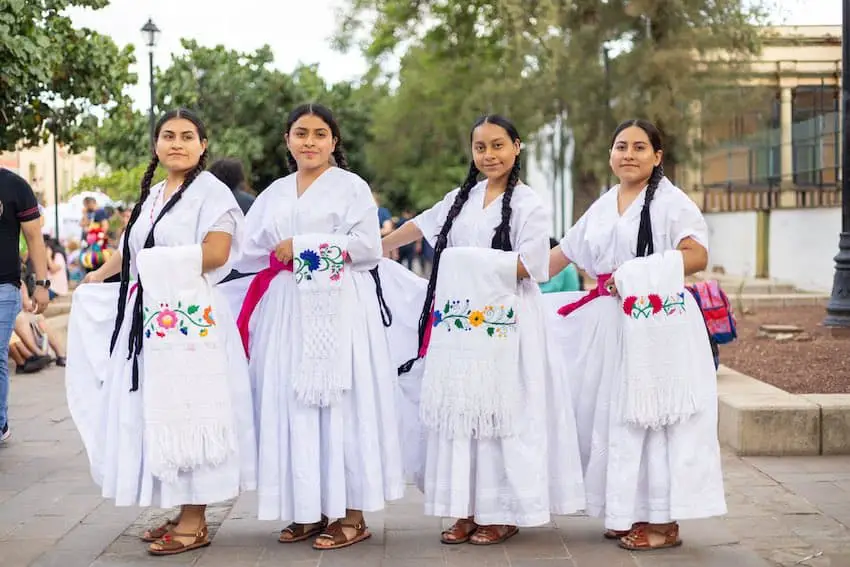
Also known as los Lunes del Cerro (Mondays on the Hill), the festival showcases the cultural heritage and traditions of eight Indigenous communities of Oaxaca.
Representatives of the state’s Tourism Ministry (Sectur) said in a press conference that the city is expecting 517 million pesos (US $28.7 million) in tourism revenue between July 19 and 29, and an average hotel occupancy of 81%.
“The revenue is usually significant during the July holidays, as well as on Day of the Dead, in December, and during the Holy Week season, which also register high occupancy rates,” said Tourism Promotion Minister Ángel Norberto Osorio Morales.
The week-long festival has its origins in a Zapotec ritual called Daninayaaloani or “Hill of the Beautiful View” in honor of Centéotl, the corn goddess. During this ritual, people gathered to share offerings, eat food and dance over eight days. After the Spanish conquest, the festival transitioned to a Catholic celebration and is now part of the popular rites of the Virgin of Carmen. La Guelaguetza, as it is known today, is celebrated on the two Mondays closest to the Catholic Day of our Lady of Carmen on July 16.
However, celebrations for La Guelaguetza happen throughout the whole month of July, including food fairs, parades, musical concerts, dance performances and visual arts exhibitions.

The name of the festival is inspired by the Zapotec word “guendalezaa,” which translates into Spanish as “offering, present or fulfillment.” It refers to the offerings the Indigenous people of Oaxaca took to the capital in 1932 to commemorate the 400-year anniversary of the city of Oaxaca.

The first performance called Bani Stai Gulal, which means repetition of the old, takes place two Saturdays before the first Monday of La Guelaguetza (July 13) and is a dance depicting four eras in Oaxaca: Pre-Columbian, Colonial, Independent Mexico and the Contemporary Era.
Hill Monday starts at dawn on the first day of La Guelaguetza (July 22). Throughout the day, performers gather to play las mañanitas (Mexico’s Happy Birthday song), signaling that it is time to go to Cerro del Fortín, a hill overlooking the city.
The remainder of the festival takes place in the “Guelaguetza Auditorium” atop Cerro del Fortín.
With reports from El Economista and El Sol de México