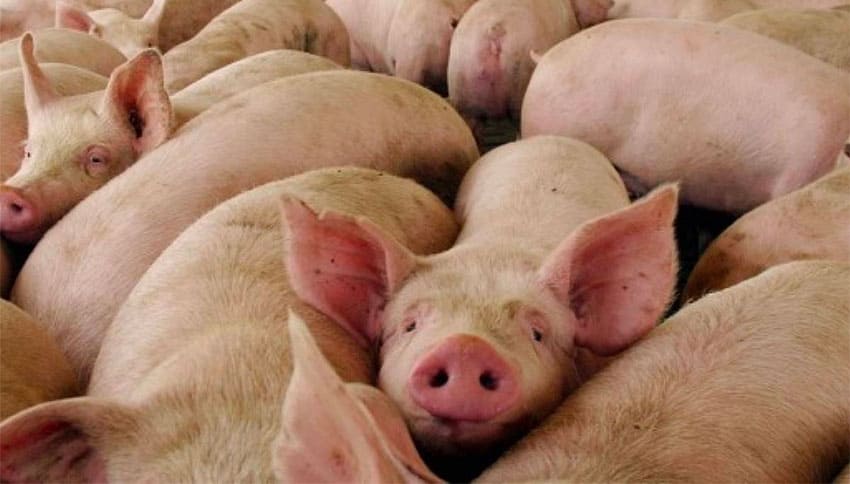
Pork exports to China are predicted to double this year due to that country’s problems with African swine fever (ASF) and the effects of the coronavirus outbreak.
Mexico sent 30,072 tonnes of pork to the East Asian economic powerhouse in 2019, making China the second biggest buyer of the meat after Japan.
The president of the Mexican Meat Council (Comecarne) believes that exports this year will exceed 60,000 tonnes, which would make China the No. 1 market for Mexican pig farmers.
Speaking after she was sworn in as Comecarne chief for a fourth consecutive year, Carla Suárez Flores said that pork exports to China increased a whopping 929% in January to 4,076 tonnes. In the same month last, Mexico sent just 396 tonnes of the meat to China.
Between 2016 and 2019, Mexican pork exports to China increased 6,300%, she said.
Suárez explained that all of Mexico’s pork exports to China are sent by just eight meat packing plants that have been certified by Chinese health authorities.
A further 42 plants are awaiting certification, which is expected to occur in coming months, she said. Their certification “will undoubtedly allow a greater presence of Mexican products in China,” Suárez added.

She highlighted that ASF, foot-and-mouth disease and avian influenza are not present in Mexico, which gives countries importing Mexican meat confidence that they are receiving a healthy product.
It is estimated that China lost between 30% and 40% of its total pork production last year due to ASF. The outbreak of the 2019 novel coronavirus is also having an impact on production, creating an opportunity for Mexico to boost exports.
“We’re going for more,” the Comecarne chief declared.
According to data from the Mexican Meat Council, Mexico exported 15,582 tonnes of pork last month. Japan was the biggest buyer, receiving 59% of total exports, followed by China, which bought 26%.
The third and fourth biggest buyers of Mexican pork in January were the United States and South Korea, respectively.
Source: El Economista (sp)