Christie’s auction house sold 36 of 39 Mesoamerican and Andean archaeological artifacts that went on the block in Paris on Tuesday, including 30 Mexican pieces.
The auction went ahead despite the objections of the federal government, which argued that among the items in the “Quetzalcóatl, The Feathered Serpent” collection were pieces that were looted in Mexico.
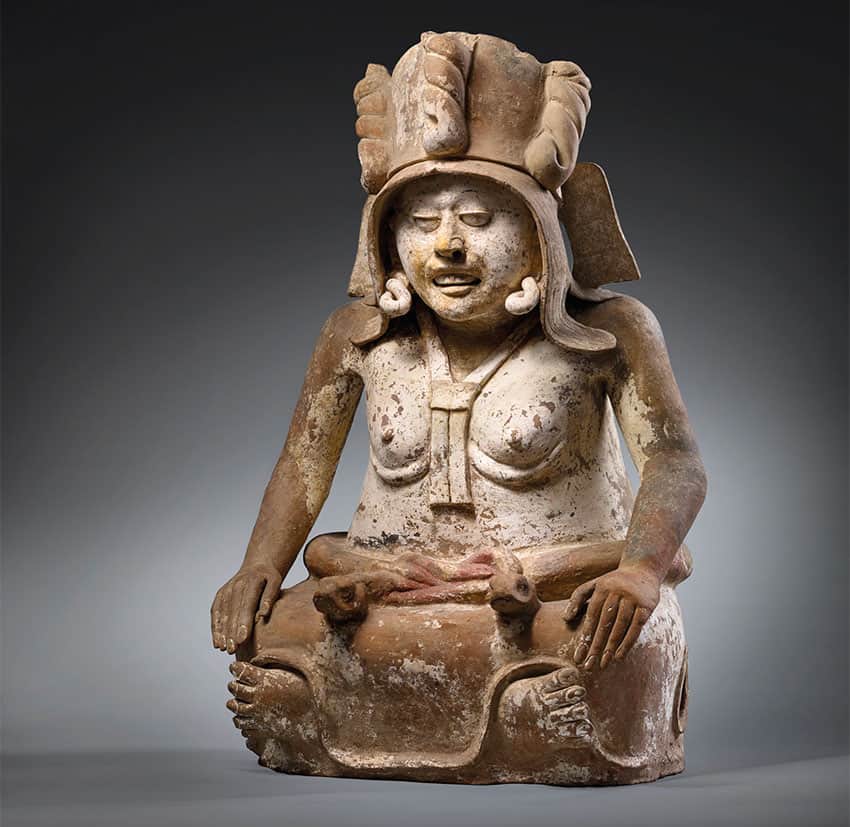
The 36 cleared items sold for just under 2.54 million euros (US $3.1 million). An 87-centimeter figure of fertility goddess Cihuatéotl, which originated in El Zapotal, Veracruz, yielded the highest price, selling for 500,000 euros (US $606,000).
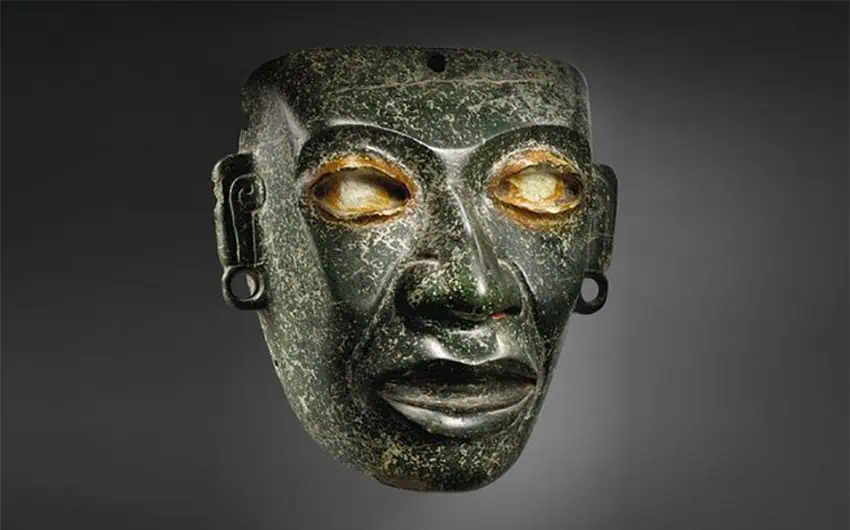
A Teotihuacán serpentine mask sold for 437,500 euros while a Mayan vase and an Aztec stone figure of a nobleman went for 137,500 euros and 122,500 euros, respectively.
María Villarreal, an official with the National Institute of Anthropology and History (INAH), said in an interview that some of the items came from “clandestine excavations,” adding that INAH doesn’t know when they left the country and whose hands they were in.
However, INAH says that three of the items sold – including the Teotihuacán mask – are fakes. Director Diego Prieto described the mask as “contemporary,” saying it was probably made a few decades ago by a master craftsman.
The INAH chief said that Mexico wouldn’t bother filing a formal complaint about its sale because it’s not a true pre-Hispanic artifact.

The other lots INAH says are fakes are a Xochipala mask, purportedly from Guerrero, which sold for 60,000 euros, and a frog carved out of stone, which went for 40,000 euros.
Culture Minister Alejandra Frausto expressed dismay over the sale.
“It makes me angry to see that they sold the pieces, they even sold the fakes,” she told a virtual press conference, adding that the government will continue to work to establish better “international tools” to aid the recovery of artifacts illegally extracted from Mexico.
Frausto noted, however, that Mexico has managed to recover more than 3,500 archaeological artifacts since the current government took office in late 2018. The recovered items could be displayed in a new exhibition, she said.
Mexico has tried to stop several auctions of pre-Hispanic artifacts in Paris but failed. The items it has managed to get back were returned from countries including Italy, Germany and the United States.