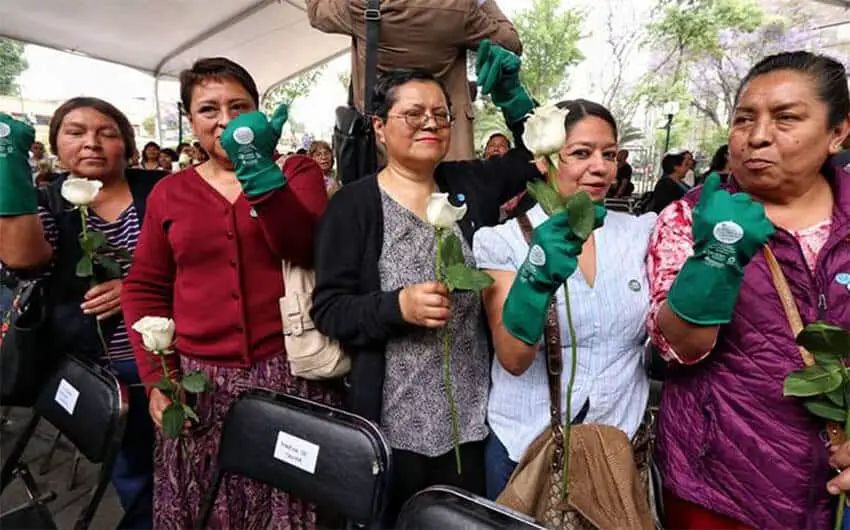
The Supreme Court ruled in 2018 that domestic workers must must have access to social security benefits like any other worker, but only 3% actually do, according to the United Nations Entity for Gender Equality and the Empowerment of Women (UN Women).
Belén Sanz Luque, Mexico representative of UN Women, said that 97% of Mexico’s 2.2 million domestic workers – most of whom are women – are employed informally and don’t receive benefits such as health care and paid vacations.
“It’s concerning that not all domestic workers have their work rights guaranteed,” she said.
Salaries for such workers, commonly known as muchachas, remain low. Sanz told the newspaper Reforma that the 3% of maids who are employed formally earn an average of 206 pesos (US $10) per day.
To raise awareness about domestic workers’ rights in Mexico, the United Nations has launched a campaign called “Es lo justo” (It’s only fair).
“We’re seeking to generate awareness about the situation in which domestic workers live,” Sanz said, noting that their employers have a legal obligation to guarantee access to social security benefits.
With reports from Reforma