There’s more to Mexico than sweltering heat and beach destinations. There are two towns that have been called the coldest in the country and they are both in Guanaceví, Durango.
La Rosilla, 370 kilometers north of Durango city near the Chihuahua state border, is traditionally considered the most frigid place in Mexico, but it’s Ciénega de la Vaca, 44 kilometers south, which is likely to numb fingers even faster.
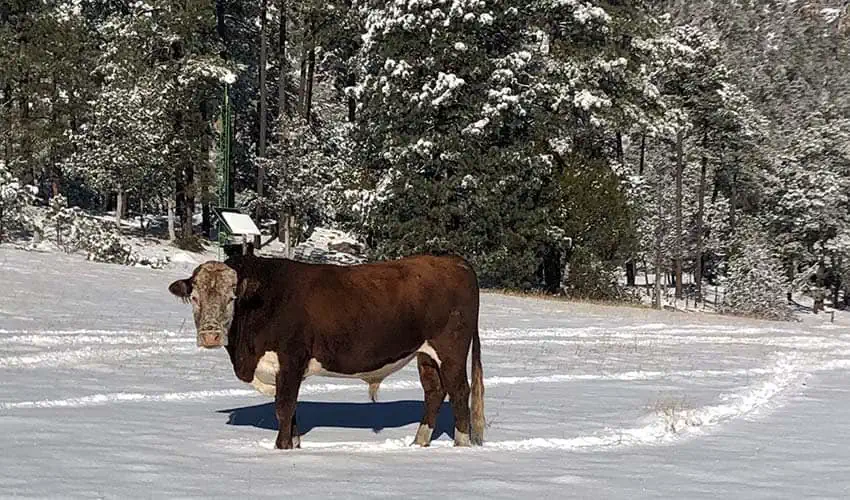
Temperatures dipped to -18 C in Ciénega last weekend, and snow fell on Sunday.
Governor José Rosas Aispuro confirmed Ciénega was the colder of the two towns. La Rosilla, he said, is often mistaken for the coldest as it’s where official temperatures are recorded.
Both are in the vicinity of the Western Sierra Madre mountains. Ciénega is so remote that it’s most easily reached by air.
La Rosilla has a population of about 300, while Ciénega is even smaller and is one of the least populated towns in Guanaceví. Local people are so accustomed to the freezing temperatures that a campfire and a warm jacket are enough to counteract the cold.
Hipólito Heredia, 60, who lives in La Rosilla, said he’d become used to the cold after years of experience.

But for others, it’s harder to bear: about 800 families in the area receive some form of welfare to help mitigate the cold, the news site Telediario reported.
With reports from Telediario