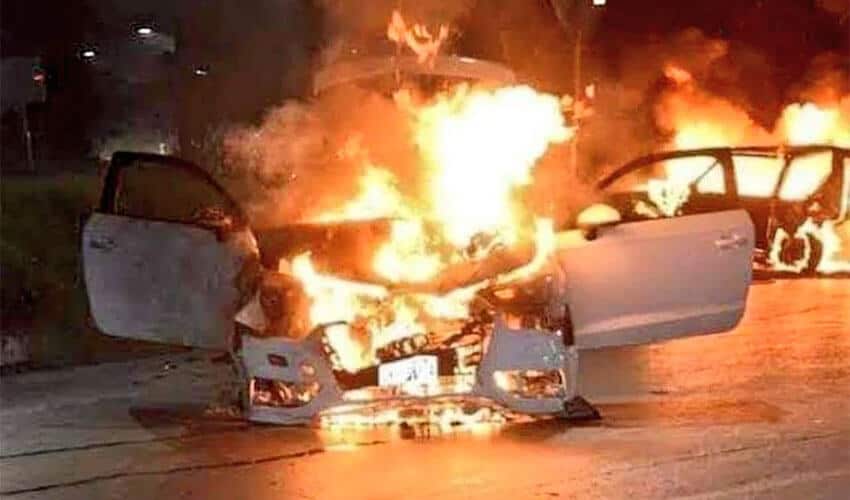
The murders and abductions during a night of terror in Caborca, Sonora, last week were far from an unprecedented occurrence: the municipality has been plagued by cartel violence in recent years.
Bordering Arizona, the Gulf of California and four other municipalities — including the popular tourist destination of Puerto Peñasco — Caborca is a mining hub and Mexico’s principal exporter of asparagus and grapes.
It is also the scene of a turf war involving four criminal groups, two of which are controlled by the sons of imprisoned drug lord Joaquín “El Chapo” Guzmán.
The other two are affiliated with Rodrigo Páez Quintero, the nephew of notorious drug lord Rafael Caro Quintero, who founded the Guadalajara Cartel and now allegedly leads the Caborca Cartel.
In a nutshell, the Sinaloa Cartel – once led by El Chapo – is facing off against Caro Quintero and sicarios loyal to him for control of drug and weapons trafficking and people smuggling through Caborca.
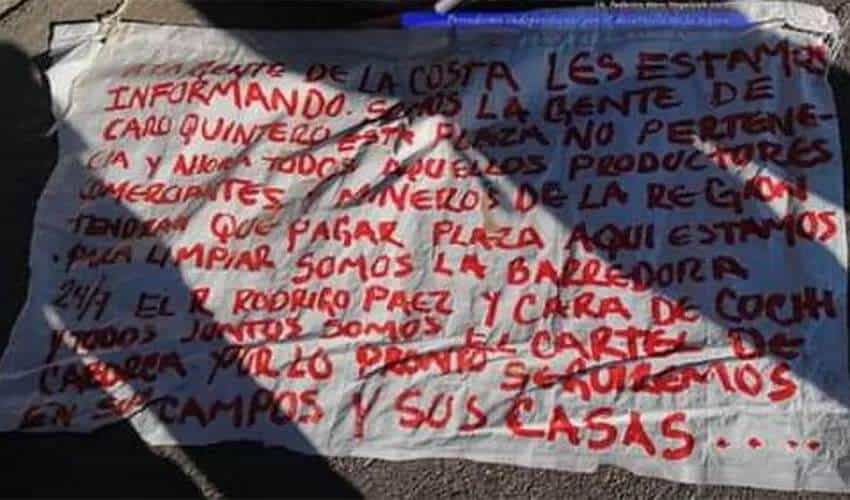
Violence began to intensify in the municipality in 2019, a year in which there were 120 homicides. In 2020, there were at least six shootouts between the rival criminal groups, including one that left 12 people dead.
Over the past 12 months, Caborca was the 24th most violent municipality in Mexico with 96 homicides, for a per-capita rate of 103 murders per 100,000 people.

Last Tuesday night’s violence was allegedly perpetrated by a criminal group affiliated with the Sinaloa Cartel. At least two people were killed – some reports put the figure at four – and five people were kidnapped, all of whom were later released.
Some 200 members of federal and state security forces were deployed to the municipality after the wave of violence, which local authorities were powerless to stop, according to Caborca Mayor Abraham Mier Nogales.
Eliodoro García, president of the Caborca Business People’s Association, told the newspaper Milenio that local residents don’t feel at ease despite the bolstered security presence.
“… There should be greater peace of mind, but we don’t have it,” he said. “We don’t move about during the dark hours [of night],” he said, explaining that most residents have obeyed a self-imposed curfew for the past two years.
In a report published Tuesday, Milenio said that National Guard patrols are currently a constant in Caborca and that people are walking around town with “apparent normality.”
However, the possibility of more violence is “latent,” and residents know that the pickup trucks with armed men will appear again once the official vigilance is relaxed, the newspaper said.
With reports from Milenio