The abundance of rain in northern Mexico recently has been the answer to many a cattle rancher’s prayers, but for most of them, a significant amount of damage has already been done.
In a report in the newspaper Vanguardia that focused on Coahuila, it was noted that up to 30% of cows in that state had perished this year due to perhaps the worst drought Mexico has seen for 30 years.
The estimate was based on figures from the Regional Livestock Union of Coahuila. “We don’t know exactly how much it is,” said Fernando Cantú González, president of the coalition of 15 livestock associations in the state. “We calculate that what died and what was available for sale represents 20% to 30% of the state’s stock.”
Coahuila, which borders Texas, is flush with prime livestock regions, notably Ocampo, Múzquiz, Sabinas, Villa Unión and Zaragoza. But the lack of rain over the past three years has put a severe crimp on the growth of crops for harvest and plants for foraging. The diminished feed not only means some cows are starving to death, but it also leads to problems such as reduced pregnancy rates, loss of overall health and lower milk production, which hampers the growth of calves.
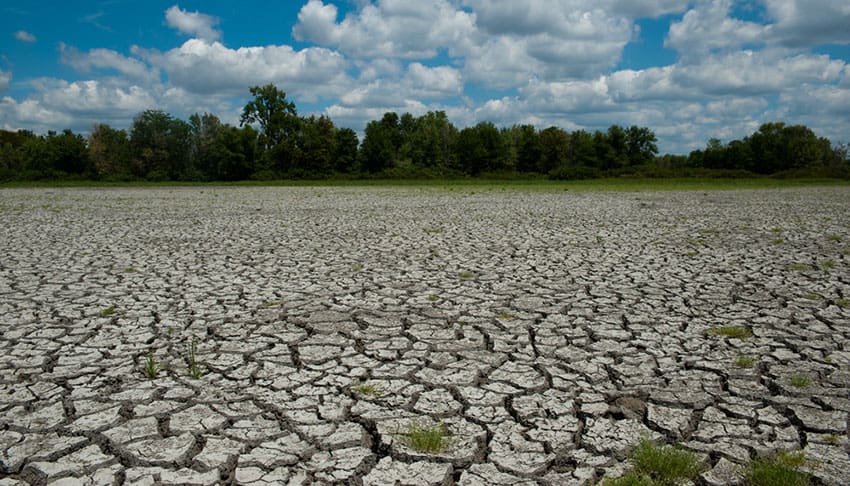
“This year was the most severe in the last 10 years,” Cantú said, noting that ranches that had never been affected before definitely suffered this year. Reservoirs have been lower, rivers have dried up to reveal cracked beds and the transfer of water to farms has been reduced. Fields that should be teeming with crops are either bare or filled with wilting plants, and cattle that are alive are bony with their ribs protruding.
According to an August 11 report by Reuters, July was the second hottest month in Mexico since 1953, with temperatures in some areas reaching 45 C, according to the national weather service.
In the north especially, the hot weather and drought have left dams either well below capacity or bone dry — devastating in agricultural regions which often do not have access to groundwater. According to Reuters, just 10% of Mexico’s dams were full in mid-July, with many at half capacity or even less.

Alberto Neira, a Coahuilense rancher, was quoted as saying it’s important to remember that even if “a strong tropical storm comes, no matter how much rain falls on us, we will not be able to recover” much of it.
Cantú explained that the lack of rain forces ranchers to sell or slaughter their cattle prematurely, before they might die. Both the lack of food and the early sale means the cows are thinner than they should be, and thus have to be sold at a lower price.
Coahuila is the state with the most serious drought situation, according to Vanguardia, with “80% of the territory” having experienced “severe, extreme or exceptional drought.”
Cantú requested the resumption of government support programs for the region so that livestock production can return to prior levels. He said in previous years there was a program in which heifers were delivered through subsidies from the federal and state governments, with the ranchers paying a share, too.
The Mexican government declared a national emergency in mid-July and announced initiatives to prevent companies like Coca Cola and Heineken extracting so much water in the north. In addition, there was water rationing in Nuevo León and publicized gatherings to pray for rain in Sonora.
In August of last year, the Los Angeles Times published an article headlined, “In drought-plagued northern Mexico, tens of thousands of cows are starving to death.” It lamented “two years of extreme drought” that have turned ranching areas into a “boneyard where tens of thousands of cows have been felled by heat and hunger.”
And that was last year. Little improved over the next 12 months, although the recent rains in the north might help.
With reports from Vanguardia and El Financiero