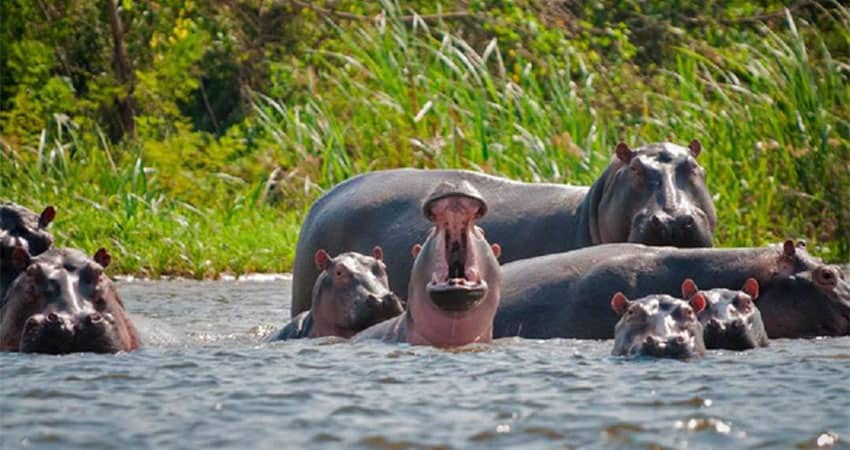
To deal with a hippopotamus overpopulation problem in the areas surrounding a ranch once owned by the late cocaine trafficker Pablo Escobar, Colombia is planning to ship at least 70 of the hulking beasts out of the country — including about 10 to Mexico.
Dubbed “cocaine hippos” in a nod to Escobar’s years as a drug lord, some of the animals will reportedly go to zoos and sanctuaries in Mexico, as well as to India. Ecuador, the Philippines and Botswana have also expressed willingness to accept some of the hippos, according to Colombian officials.

One of the planned destinations in Mexico is the Ostok Animal Protection & Sanctuary in La Campana, Sinaloa, where a 30-year-old Asian elephant was placed last year after being rescued from a Veracruz circus in 2014 and nursed back to health.
“We are working with Ernesto Zazueta, who is the president of [Mexico’s Zoo Breeders and Aquariums Association] and who liaises with different countries and manages their rescues,” said Lina de los Ríos Morales, director of animal protection and welfare in a regional branch of Colombia’s Ministry of Environment and Sustainable Development.
The plan to transfer the hippos later in 2023 has been forming for more than a year, de los Ríos Morales said; however, the permits to start the process are still pending.
The hippos are the descendants of four calves (a male and three females) Escobar trafficked into Colombia in the 1980s from U.S. zoos and kept on his ranch, known as Hacienda Nápoles, in Antioquia, a province in northern Colombia just south of Panama. The hippos were just a fraction of the exotic wildlife Escobar kept on the ranch.
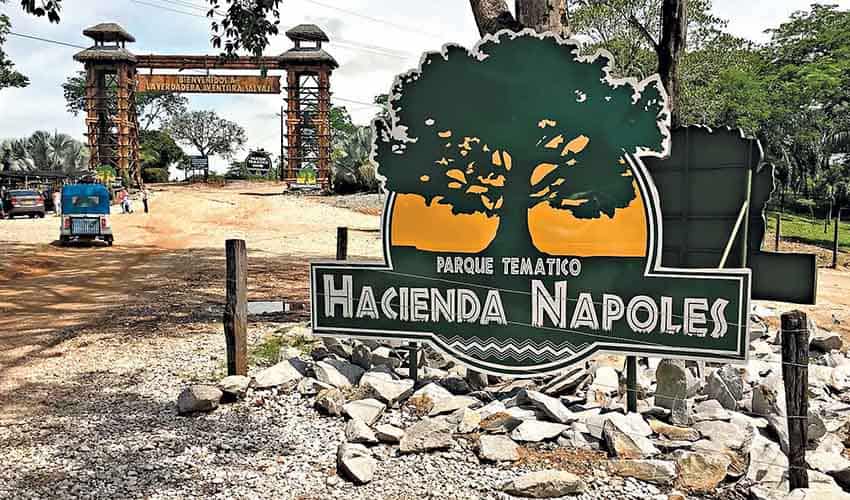
The property eventually became a wildlife waterpark after Escobar died in a shootout with police in Medellin in 1993. The animals that he had on Hacienda Nápoles were sent to sanctuaries and zoos, but not the hippos.

Territorial and aggressive, the hippos spread far beyond Escobar’s hacienda in the years after his death while his family fought with the Colombian government over ownership of the property. In 2022, the news media outlet France 24 reported that the feral hippos have attacked local residents and that wildlife management officials had only managed to sterilize 10 of the male hippos in the wild herd.
Three of the descendants of the original hippos live in the park. They will not be relocated.
Living on their own near the Magdalena River and nearby lakes, the “cocaine hippos” outside the park have no natural predators and multiplied to between 130 and 150, environmental authorities said. If left unchecked, the population could reach 400 in eight years and 1,500 in 16 years, authorities say.
Male hippos can weigh up to 4.5 tons and are threatening the area’s natural ecosystems and biodiversity around Hacienda Nápoles. Their feces change the composition of the rivers and could impact the habitat of manatees and capybaras.
In 2022, Colombia’s government declared hippos an invasive alien species and called for a plan of action.
Relocating them won’t be easy.
Not only are the costs of containers and airlifts prohibitive, but simply capturing the animals will be a major chore. Officials said they must lure them with food and then get each hippo into a guacal (a large shipping container), which will then be driven 150 kilometers by truck to the José María Córdova International Airport outside of Medellín.
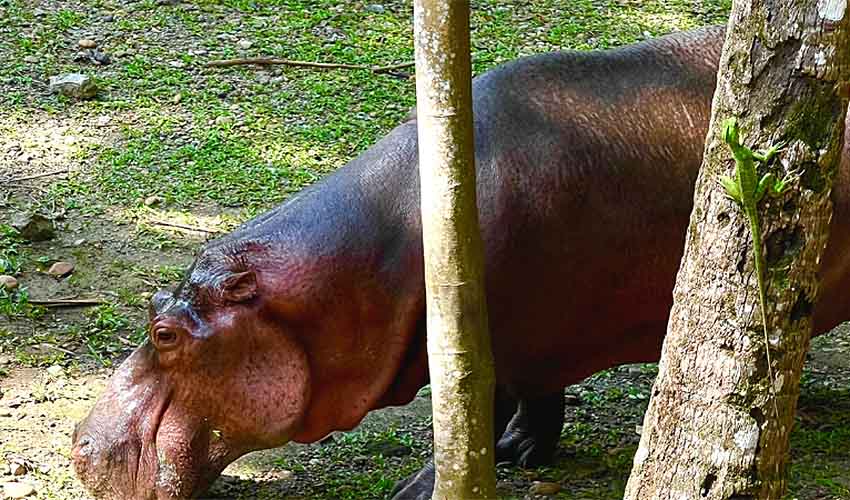
Environmental authorities plan to capture young hippos that have not yet reached their adulthood weight, and to send 30 per transfer flight.
“It is possible,” David Echeverri López, spokesman for Cornare, the region’s environmental authority, promised in a video released Thursday. “We already have experience relocating hippos in zoos nationwide.”
Colombian officials said that the Greens Zoological Rescue and Rehabilitation Center in the western Indian state of Gujarat will cover the cost of airlifting the hippos to India, but gave no details on how the costs of the transfer to Mexico will be handled.
De los Ríos Morales said the plan includes “dignified treatment” and a home “in an appropriate place” for the hippos, “without resorting to extreme measures as some have required when being declared an invasive species, which is extermination.”