Chinese auto manufacturer Foton is planning to build a second plant in Mexico, which will allow it to manufacture electric vehicles in the country, the company said.
The Beijing-based company specializes in heavy-duty electric vehicle (EV) production, primarily trucks, buses and pickups, alongside traditional gas-powered models for the haulage and construction markets.
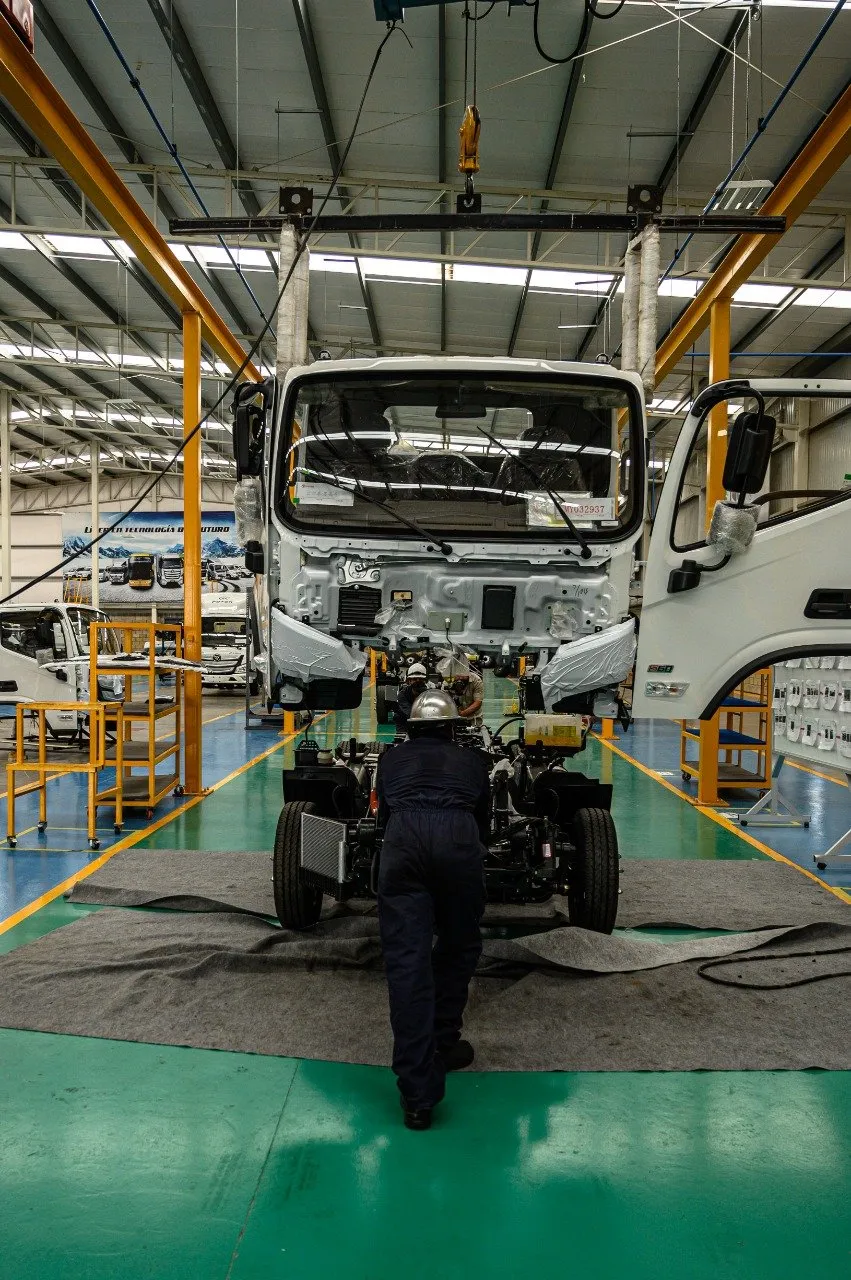
The company opened a facility in Jalisco in 2017 but is looking to expand operations as part of the nearshoring boom that has attracted a significant number of Asian manufacturers to Mexico. Heavy manufacturers from across the world are attracted by the low-cost, high-quality production facilities here, as well as proximity to the important United States market.
Foton currently imports electric vehicles to Mexico directly from China but says that the planned facility will provide the company with the ability to manufacture EVs within the country. It is not yet known where the new site will be located, although the states of Jalisco and Aguascalientes are understood to be under consideration, according to Bloomberg.
While the total investment cost is also still undecided, Roberto Talavera, EV director for Foton, predicted it will be around US $1 billion.
The plant would also allow Foton to export vehicles to the U.S., said Talavera. Foton also anticipates that it will sell 3,000 EVs in Mexico by 2025. The company hopes that EV sales in Mexico will account for 10% of all new car sales in 2024.
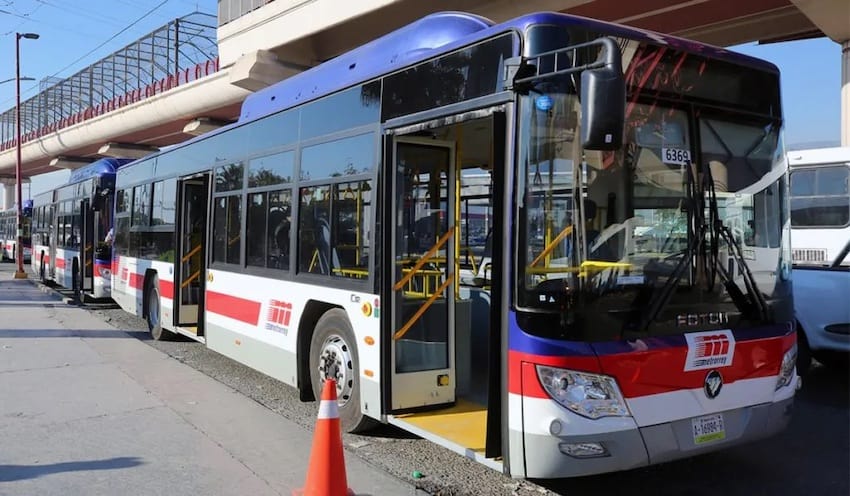
Foton currently provides construction equipment to Mexican companies, including ICA and Cemex, as well as buses for the Metrorrey public transportation network in Nuevo León.

In addition to the new manufacturing plant, Bloomberg also recently reported that Foton is preparing to partner with the Chinese EV battery manufacturing company Contemporary Amperex Technology Co. Ltd (CATL), the world’s largest producer of EV batteries. That company is also in the business of recycling, refurbishing and repurposing EV batteries.
While CATL has not confirmed Bloomberg’s reports, the industry publication Automotive News, citing anonymous sources, reported in July that CATL was looking at potential EV battery manufacturing sites in northern Mexico — including in Ciudad Juárez and Saltillo, Coahuila.
If the Foton-CATL partnership were to go through, it would likely give Foton the lead in Mexico as the technical support, repair, and recycling service for CATL batteries in the country, as part of a new “battery-as-a-service” venture allowing Foton users to exchange batteries in their vehicles.
The two firms are already partnered in China.
With reporting by Bloomberg, Automotive News and Infobae