The high cost of radio spectrum franchising in Mexico is hindering the adoption of new technologies and could be slowing development, industry experts have warned.
“Mexico is the country that has made the least spectrum available to the population,” said Cindy Rayo, regional director for Mexico, Central America and the Caribbean at the Inter-American Association of Telecommunications Companies (Asiet), in an interview with EFE.
Rayo added that this was discouraging industry investment in new telecommunications services such as 5G networks and hindering efforts to address unequal access to communications technology.
She argued that the Mexican state should move away from a “collection approach,” in which radio bands are sold and taxed at high prices in order to generate revenue, and instead pursue policies that maximize provision and access to digital services.
Alejandro Adamowicz, Director of Technology and Strategy for Latin America of the GSMA, echoed Rayo’s opinion.
“Spectrum costs in Mexico are disproportionate, they are well above the average for Latin America, and that is a barrier to any generation of technology,” he told EFE.
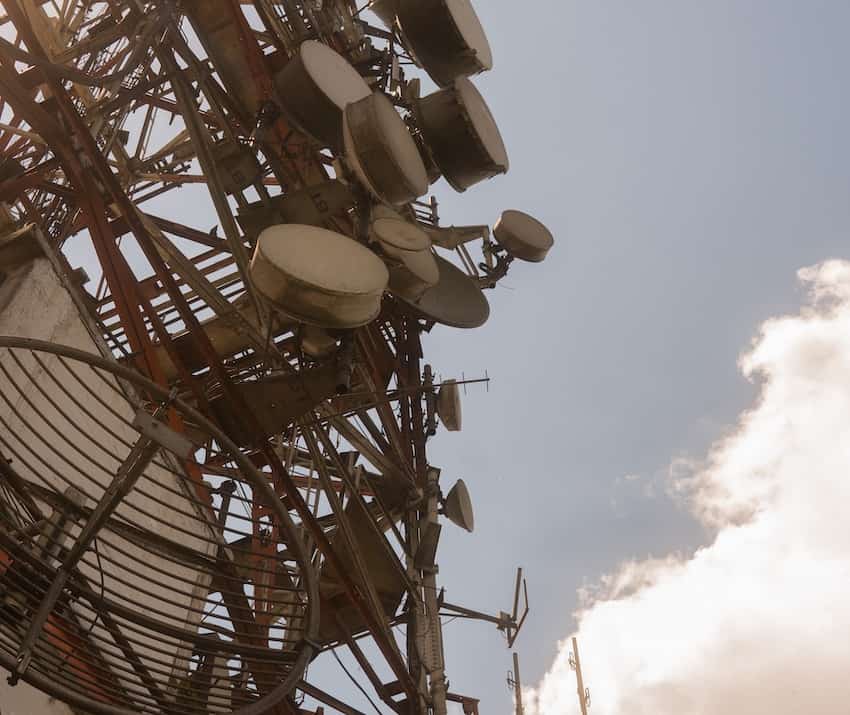
The issue is particularly relevant now since Mexico’s Federal Institute of Telecommunications (IFT) will open tenders in July for a range of radio bands suitable for expanding 5G services throughout Mexico.

Telcel — a subsidiary of América Móvil that provides 4G coverage to 83 million Mexicans and owns several frequencies suitable for 5G services — has confirmed its interest in buying the new bands. Its main competitors, AT&T and Movistar, have said they will not enter the bidding at the current prices.
These competitors claim that the high cost of Mexico’s radio spectrum is allowing Telcel to monopolize mobile telecommunications here. Telcel currently receives more than 70% of the sector’s revenues and profit to the tune of US $1.35 billion in 2022.
Telcel says it is considering improving access to digital technology with initiatives involving getting donated mobile phones to rural areas and training older adults there in how to use them.
However, the company echoed calls for cheaper radio bands in Mexico.
“We do believe that it’s very important that the spectrum drops in price so that this enables more of the investments that are required,” said Alejandro Cantú, legal and regulatory affairs director of América Móvil.
The IFT argues that it has already reduced taxes on radio bands nearly 10% — from a total of 20.24 billion pesos in 2019 (then around US $1.15 billion) to 18.27 billion pesos (around US $1.03 billion) in 2022.
With reports from Latinus, El Economista and Expansión