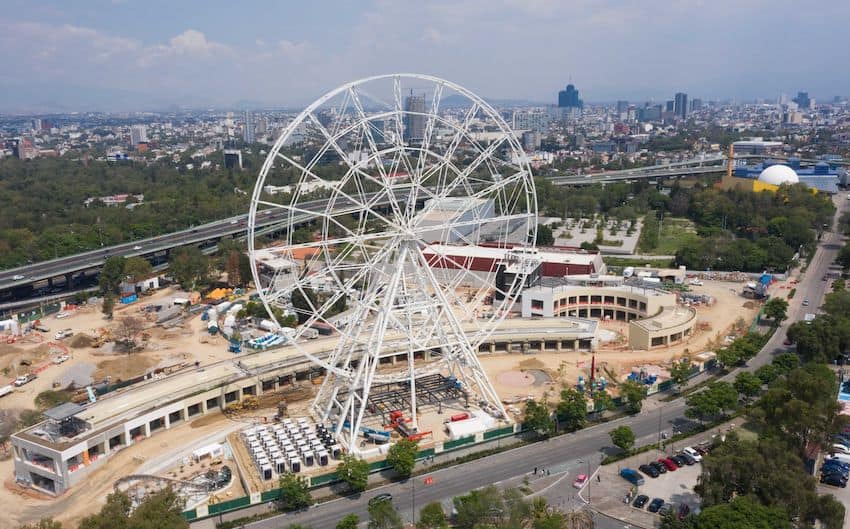
Mexico’s non-residential construction sector is booming and companies are spending big in a bid to boost their productivity and profitability.
Gross fixed capital formation (GFCF) – investment in construction projects and machinery and equipment – rose 28.6% in annual seasonally adjusted terms in June to reach its highest level on record, according to data published Monday by the national statistics agency INEGI.
The GFCF index reached a new high of 116.8 in June, up 3.1% from 113.3 in May. The monthly figure is calculated in accordance with a base level of 100 that was established based on GFCF data for 2018.
The 28.6% annual increase followed double-digit improvements in each of the eight previous months. The year-over-year rise was the highest since May 2021, a year after the GFCF index hit its lowest level on record during the early days of the coronavirus pandemic.
The index has risen on a month-over-month basis without interruption since July 2022. That’s the best winning streak since 1993 when comparable records were first kept, the newspaper El Financiero reported.
The index plunged to just above 60 at the start of the pandemic in April 2020, but began to recover after Mexico’s national social distancing campaign concluded at the end of the following month.
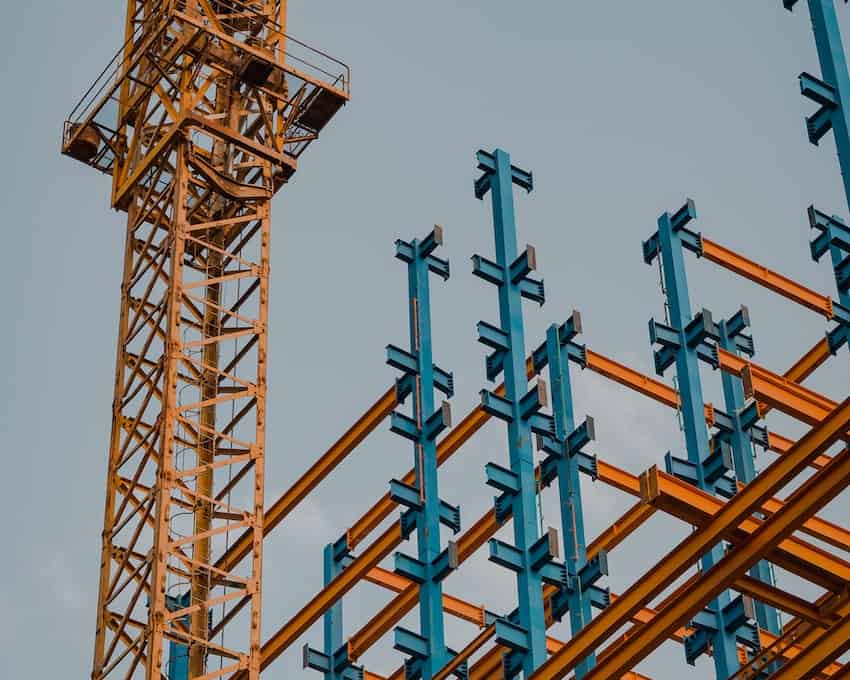
INEGI said that construction sector GFCF increased 36.9% in June compared to the same month of 2022. Investment in residential projects increased by just 0.8%, but spending on non-residential buildings such as factories, hospitals and commercial facilities soared 70.3%.

Mario Campa, an economist and political scientist, said on social platform X that restrictive monetary policy – the Bank of Mexico’s benchmark rate is currently set at a record high 11.25% – has “frozen” investment in residential projects.
Spending on machinery and equipment (including vehicles) rose 20.1% annually in June.
Spending within Mexico on those assets – many of which are used in large exporting sectors such as manufacturing and agriculture – was up 7.7%, while the outlay on imports increased 28%. Expenditure on imported “transport equipment” – cars, buses, trains, planes and the like – surged 88.4%.
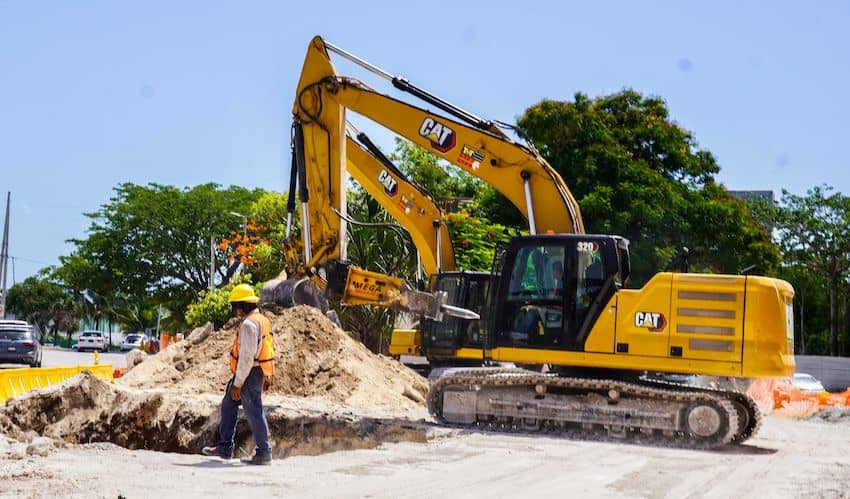
The increase in GFCF could help spur stronger GDP growth in the future as investment in things such as new machinery can help companies increase their productivity and overall output.
GFCF in the first six months of the year was up 18.8% compared to the first half of 2022, with investment increases of 17.9% in construction and 19.9% in machinery and equipment.
INEGI reported in late August that the Mexican economy grew 3.6% annually in the first half of 2023.
With reports from El Financiero, López-Dóriga Digital and Milenio