Headline inflation in Mexico increased for a second consecutive month in April to reach its highest level since January.
The national statistics agency INEGI reported Thursday that the annual headline rate was 4.65% in April, up from 4.42% in March.
The rate — the highest since a 4.88% reading in January — was slightly above the 4.63% consensus forecast of analysts surveyed by Citibanamex.
Month-over-month inflation was 0.20% in April, while the closely watched annual core inflation rate, which excludes volatile food and energy prices, declined for a 15th consecutive month to reach 4.37%, down from 4.55% in March. The core rate was slightly lower that expected.
The publication of the inflation data for April comes ahead of the monetary policy meeting of the Bank of Mexico’s governing board on Thursday.
The central bank lowered its benchmark interest rate to 11% in March, but is not expected to make an additional cut on Thursday. Bloomberg reported that the higher-than-expected inflation rate in April likely cements a rate hold.
“This is likely not the type of print that gives the central bank great comfort,” said Alberto Ramos, chief Latin America economist at Goldman Sachs. “We expect the board to hold interest rates at 11%.”

Fruit and vegetable prices soar
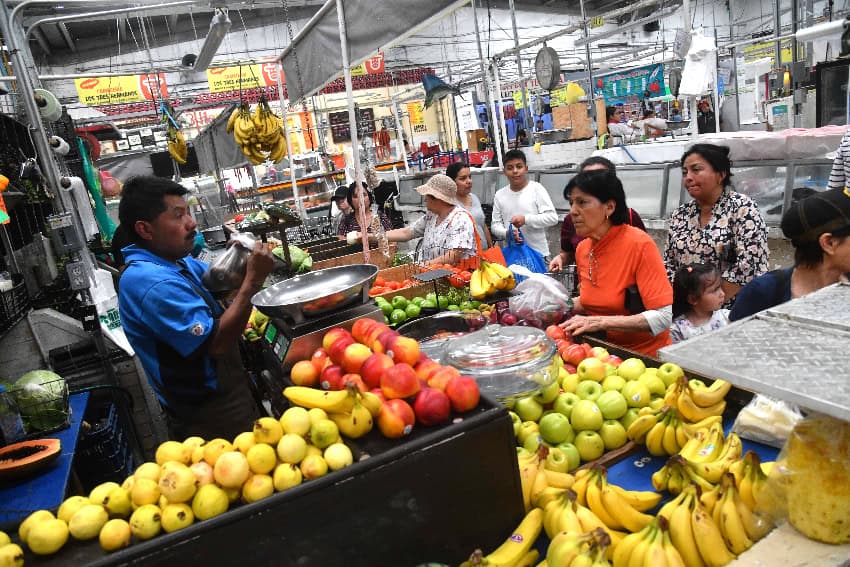
INEGI data shows that fruit and vegetables were 18.57% more expensive in April than in the same month a year earlier, up from a 12.25% annual increase in March. Prices rose 3.94% compared to March.
INEGI reported that serrano peppers were 64.42% more expensive in April than in March, while prices for “other fresh chilis” rose 33.56%. Green tomatoes were 24.25% dearer than a month earlier, while shoppers paid 13.67% more for regular tomatoes.
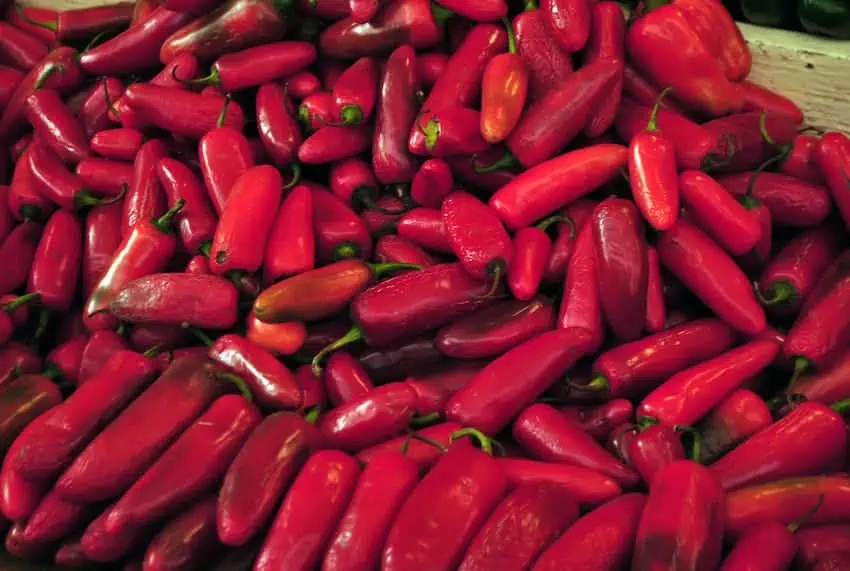
Prices for oranges and avocados also rose by double-digit percentages.
Vegetable lovers would have been better off buying onions, cucumbers, potatoes and beans last month as prices for those products all declined compared to March.
Economic consultancy Pantheon Macroeconomics noted that “poor climatic conditions” — including drought — are having an impact on prices for fresh food and are thus “limiting the disinflationary trend at a general level.”
Other inflation data in detail
- Prices for agricultural products — fruit and vegetables and meat — increased 7.35% in April on a year-over-year basis. The increase was tempered by a 1.13% decline in meat prices.
- Services were 5.21% more expensive than a year earlier. Within that category, housing costs increased 3.73%, school fees rose 6.36% and “other services” were 6.19% more expensive.
- Processed food, beverages and tobacco were 4.79% more expensive than in April 2023.
- The cost of non-food goods rose 2.34% on an annual basis.
- Energy prices, including those for gasoline and electricity, increased 3.98% annually, but declined 1.64% compared to March as lower “hot season” electricity rates took effect in a number of cities.
With reports from El Economista and El Financiero