Mexico’s Congress has approved a rail reform bill to reestablish state control over railway services, particularly passenger rail service, clearing the way for President Claudia Sheinbaum to realize her ambitious rail development plans promising passenger train service throughout Mexico.
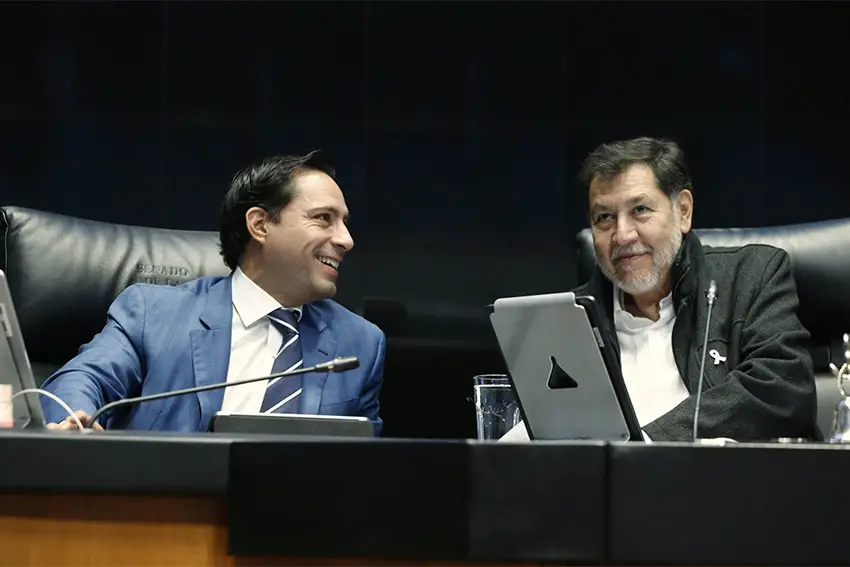
On Wednesday, the Senate unanimously passed the reforms to Article 28 of the Constitution 123-0, overturning Mexico’s railroad privatization laws enacted in the 1990s and declaring the railway system as a priority for national development.
Because it is a constitutional reform, the bill now goes to state legislatures for ratification. At least 17 of Mexico’s 32 states must approve the reform for it to become law.
Sheinbaum championed the bill originally introduced in the Chamber of Deputies by her predecessor Andrés Manuel López Obrador, announcing during her campaign and again on Oct. 9 that she was preparing a public investment of 150 billion pesos (US $7.5 billion) to begin the construction of 3,000 kilometers of passenger train tracks during her six-year term.
On Sunday, Sheinbaum inaugurated the Mexico City-Querétaro train project which is in the preliminary studies stage. The president said construction on the 225-kilometer-long track would begin next year and should be operational by 2028.
After unanimously passing the reform bill through committee on Monday, deliberations moved to the floor of the Senate, where support for the revival of passenger services was notable.
Although participants recognized that modernization of the railroad sector would improve and broaden cargo services while also allowing cargo companies holding concessions for freight rail services to apply for concessions to operate passenger services, the expected boost to the economy from tourism received considerable attention.

Sen. Saúl Monreal (Morena) said the reform would make cargo traffic more efficient, reduce transport costs, increase competitiveness in key sectors and generate more tourism. He also said rail traffic emits 70% less pollution than truck traffic.

Other speakers praised the reform as a chance for the profound transformation of Mexico’s mobility infrastructure and the reactivation of local economies.
While supporting the reform, opposition senators cautioned that they would not grant Sheinbaum a blank check to carry out her rail development plans and insisted that environmental-impact studies for such projects should be mandatory.
With reports from La Jornada and Infobae