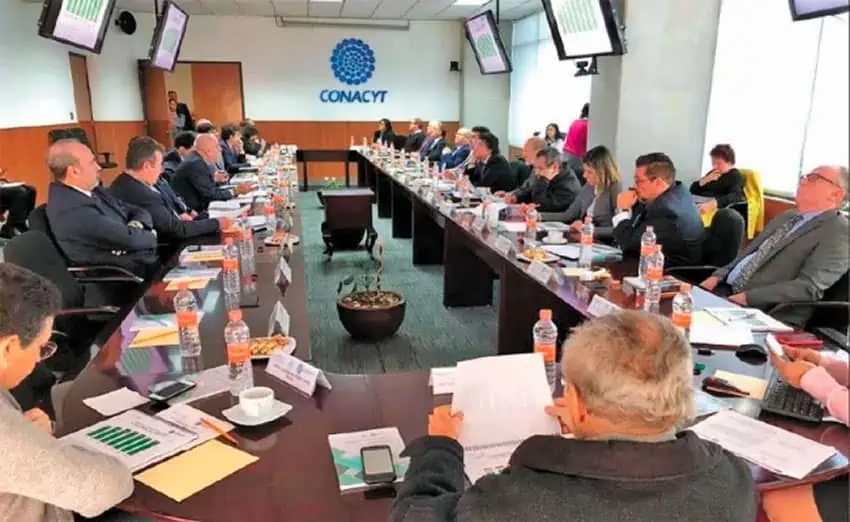
The National Council of Science and Technology (Conacyt) is operating illegally under the administration of María Elena Álvarez-Buylla, claims a Mexico City law professor.
Álvarez-Buylla has taken important decisions unilaterally since becoming Conacyt director on December 1 but, according to the law, she must seek approval of the council’s board, said a report today in the newspaper El Universal.
In recent months, the Conacyt chief has implemented budget cuts, modified funding arrangements, developed new programs, named adjunct directors and opened new trust accounts without consulting the board, the newspaper said.
In fact, Álvarez-Buylla has not met with the 13 members of the board at all since she was appointed to her role by President López Obrador.
“She’s flagrantly breaking the law,” said Fausto Kubli-García, a law professor at the National Autonomous University.
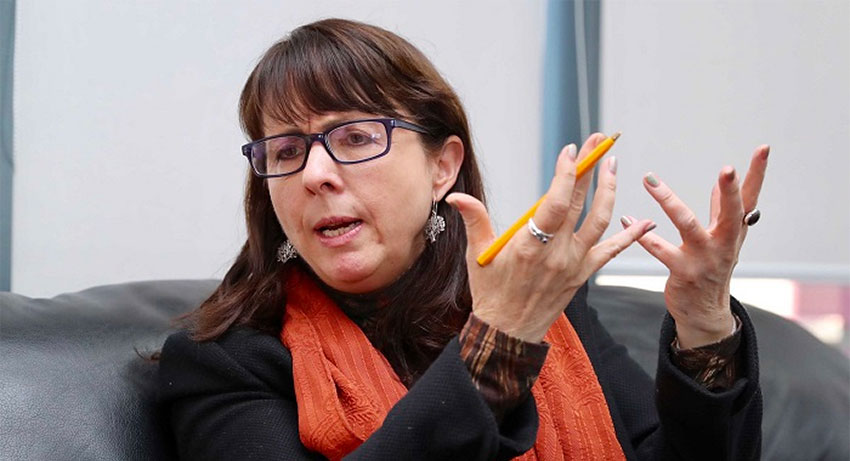
“Doctor Álvarez-Buylla would get a 10 in scientific research but a zero in public administration. The board hasn’t given her the legal backing to act, spend [public resources] or make decisions. By spending public resources without the consent of the [governing] body that must authorize them, she’s already acting autocratically. There is clear evidence . . . that she’s not respecting legality,” he added.
Álvarez-Buylla’s alleged autocracy has included orders to implement austerity measures at 26 scientific research centers. Scientists have warned that the cuts threaten the centers’ ongoing ability to operate.

Kubli-García said that if the rule of law really existed in Mexico, the Conacyt director would face legal repercussions for her actions.
Under the General Law of Administrative Responsibilities, public officials’ use of powers that don’t correspond to them is considered a serious offense.
“. . . The existence of collegial bodies is fundamental in decision-making. The big problem is that the new Conacyt is seeking to leave science policy to one person,” Kubli-García said.
He explained that the situation violates the legal framework of the science council, which was specifically structured to have counterbalances and input from a range of contributing voices “because it’s proven that the concentration of power produces tyranny.”
Condensing authority in the public science sector appears to be exactly what the federal government is aiming for.
A senator for the ruling Morena party presented a proposal to Congress in February that seeks to eliminate as many as 10 scientific advisory bodies and put the vast majority of research funds and science policy responsibilities in the hands of Conacyt.
One of the bodies on the chopping block is the Scientific and Technological Advisory Forum.
President López Obrador confirmed this week that the autonomous government agency will disappear, charging that it’s a waste of money and unnecessary because he gets his advice on science issues from none other than Conacyt.
Source: El Universal (sp)