President López Obrador sent to Congress on Sunday a proposal for an amnesty law that would exonerate women imprisoned for having an abortion and young people convicted of drug offenses, among others.
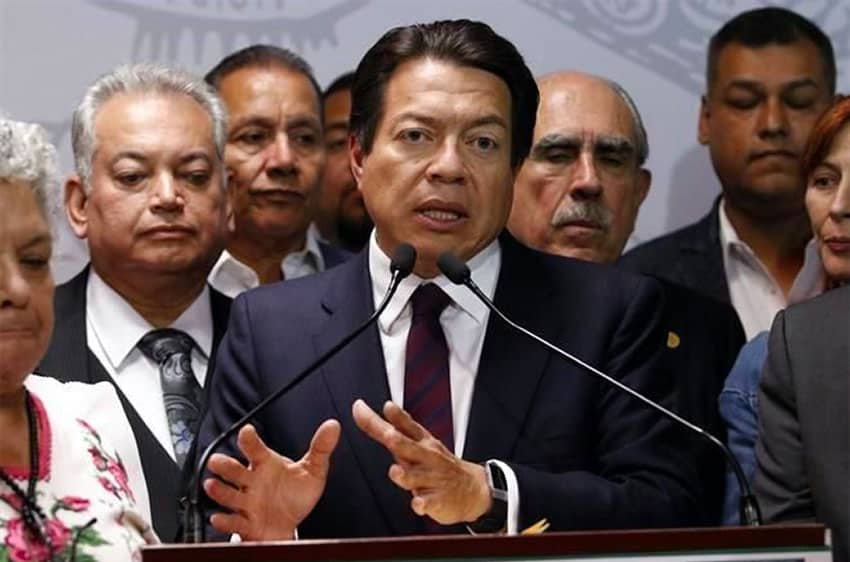
Mario Delgado, leader of the ruling Morena party in the Chamber of Deputies, said in a statement that the amnesty law would also pardon doctors and other medical personnel who performed abortions, indigenous people who were incarcerated without having access to an adequate legal defense and political and conscience prisoners “accused of implausible crimes.”
Young people convicted of small-scale drug dealing or who committed offenses after being threatened by criminal groups would also benefit from the law, Delgado said, as would those who turned to crime because of economic hardship. The law also extends to people found guilty of non-violent robberies.
The lawmaker explained that repeat offenders and people convicted of murder, kidnapping or other serious offenses won’t be eligible for release from prison under the terms of the proposed law.
“Amnesty will benefit those who are in prison for minor offenses, not those who inflicted serious damage on people,” Delgado said, adding that the federal Attorney General’s Office will closely monitor the law’s use to ensure compliance with its provisions. The Interior Secretariat will determine who is eligible for amnesty as a political prisoner, he said.
The Morena party deputy said the amnesty law will offer the opportunity of “social reintegration” for prisoners, many of whom are economically disadvantaged and lack literacy and other basic skills.
He said the amnesty bill has popular support and given that López Obrador’s Morena party leads a coalition with a majority in both houses of Congress, its approval is all but assured.

Source: El Economista (sp)