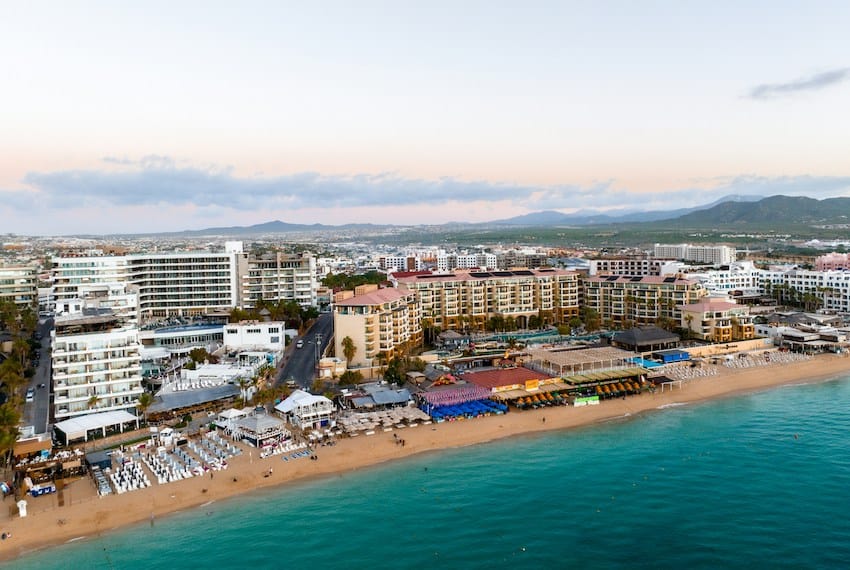
Twenty thousand spring breakers have already descended on the beaches and night clubs of Los Cabos, Baja California Sur, a number that is expected to more than double before the season ends on April 5 and provide a much-needed boost to the local economy.
Local Director of Tourism Ana Gabriela Navarro González confirmed the 20,000 figure for early arrivals for the season that began the first week of March. Los Cabos is expecting more than 50,000 tourists, eclipsing last year’s total of 45,000 spring breakers.
#LaNota con Zarahí Hamburgo:
Más de 50 mil jóvenes de EE. UU. Visitarán Los Cabos durante el Spring Break.👥🇺🇸 pic.twitter.com/e8cSN7aMqQ— IERTBCS_Oficial (@IertbcsO) March 11, 2025
Overall, hotel occupancy this season is expected to reach 80% with an economic impact of US $30 million.
Raúl Olivares, president of the El Médano Beach Tourism Service Providers Association, said that after a slowing trend in recent years, the arrival of spring breakers appears to be providing a boost to the local economy. While night clubs are among the businesses that benefit the most from the spring tourist influx, Olivares said that providers of nautical-tourism services expect a rebound of around 40%.
In a statement, Navarro noted that Los Cabos stands out from other Mexican destinations because spring breakers there spend approximately 50% more than they do in other destinations, significantly boosting the local economy.

“We are committed to offering a unique and safe experience to all our visitors,” Navarro said. “Inter-institutional coordination is key to ensuring the season’s success.”
In addition to the economic benefit, spring breakers bring tonnes of litter. From glass and plastic bottles to cigarette butts, Mexican officials expect to collect about 500% more trash across all beaches of Los Cabos during the spring break season than at other times of the year.
In 2024, authorities collected over 95 tonnes, while 2023 brought 90 tonnes.
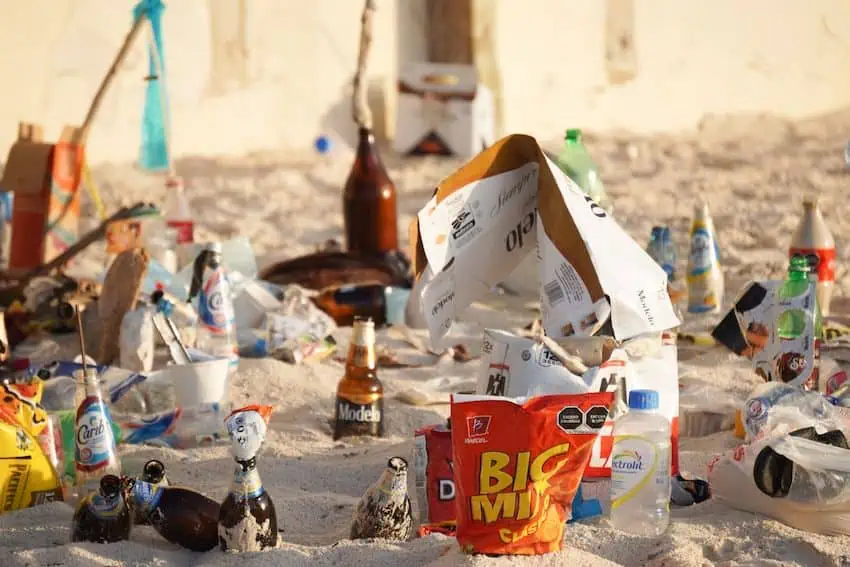
Authorities said that some of the beaches with the most tourists, and therefore the most trash, include El Médano, Coral Negro (packing plant), La Hacienda, 8 Cascadas, Las Viudas, Santa María, El Chileno, El Tule, Palmilla, and La Ribera.
“[We] will be working to clean up and collect trash at various tourist attractions to keep them clean for visitors,” Roberto Sandoval Montaño, coordinator of Public Services in Cabo San Lucas said.
Furthermore, the municipal coordinator of the Federal Maritime-Terrestrial Zone, Rafael Álvarez Munguía, said that lifeguards are stationed at seven towers to monitor and ensure the safety of swimmers. A jet ski and trained personnel will also be on duty from the sea in case a rescue is needed.
With reports from El Sudcaliforniano and Heraldo de México